
Designing an Outdoor Space That's Easy to Maintain Year-Round
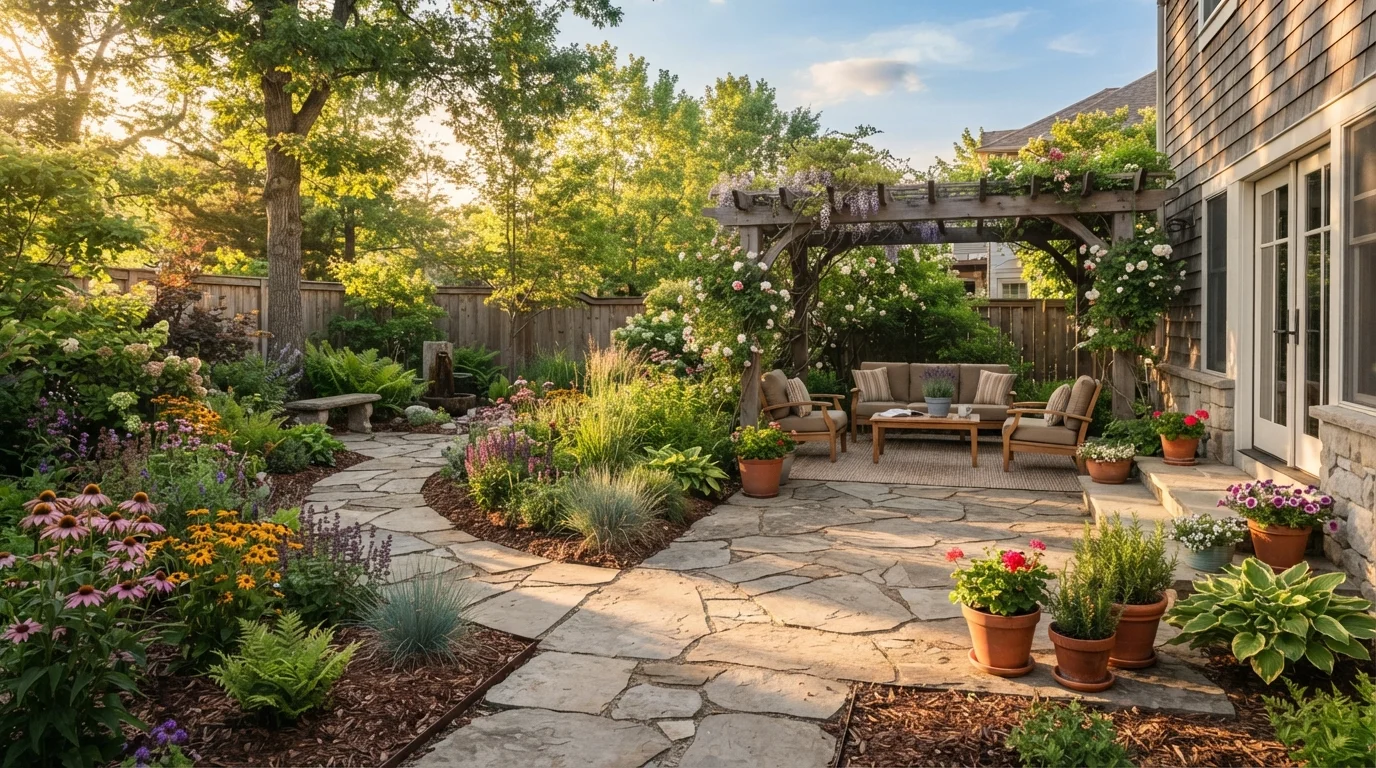
Photo credit: QuickInsights.net
In this article
A thoughtful layout, the right plant choices, and a few practical habits can dramatically reduce how much time you spend maintaining your yard.
Key Takeaways
- Choosing the right plants for your climate is the single biggest factor in reducing yard maintenance.
- Mulching garden beds regularly suppresses weeds and retains moisture with minimal ongoing effort.
- Durable hardscape materials like composite decking or gravel paths dramatically reduce seasonal upkeep.
- Grouping plants by water needs makes irrigation far more efficient and less time-consuming.
- Simple seasonal habits - not daily attention - are the foundation of a low-maintenance outdoor space.
Start with a Layout That Works With You
Before buying a single plant or paving stone, consider how your yard is actually used. A layout that supports your habits - not fights them - is the starting point for any low-maintenance outdoor space. Separate high-traffic zones like patios and pathways from planting areas, and define those edges clearly. Crisp borders between lawn and beds eliminate the tedious trimming that eats up time every week.
Hardscape - stone, gravel, pavers, or decking - carries more of the visual weight so your planted areas can stay relatively compact. For decking, material choice matters enormously over time. Our comparison of pressure-treated wood vs. composite decking walks through the real upkeep differences so you can choose with your future self in mind.
Keep lawn areas simple in shape. Curved edges look appealing in photos but create extra mowing effort. Rectangles and gentle sweeps are far easier to navigate with a mower and require less edging attention.
Choose Plants That Earn Their Place
Plant selection is where most beginner gardeners accidentally create work for themselves. The rule of thumb: choose species that are well-adapted to your local climate, soil type, and sun exposure, then let them thrive with minimal intervention.
Native and regionally adapted plants are drought-tolerant once established, less prone to pests, and rarely need supplemental fertilizing. They've evolved alongside your local conditions. Contrast that with high-maintenance exotics that need constant watering, pest management, and winter protection.
Perennials are a cornerstone of easy outdoor spaces. Unlike annuals, which must be replanted each season, perennials return year after year with little prompting. Our guide to planning a garden that comes back covers how to balance the two for color and structure without overwhelming yourself.
If you're interested in growing food, keeping the footprint manageable matters even more. Our guide to starting a vegetable garden from scratch emphasizes planning for manageability from the beginning.
Use Mulch, Water Wisely, and Soil Well
Three fundamentals quietly do enormous maintenance work when done correctly: mulching, watering, and soil health.
A 2-3 inch layer of organic mulch across planting beds suppresses weed germination, retains soil moisture, and moderates temperature swings across seasons. Applied correctly each spring, it reduces both watering frequency and weeding time significantly. The full case for mulching your garden beds explains both the benefits and the mistakes to avoid.
Watering deeply and infrequently produces stronger, more drought-tolerant roots than daily light watering. Understanding what plants actually need from watering helps you build a routine that works across seasons. Group plants with similar water requirements together - this approach, called hydrozoning, makes any irrigation system (or manual watering routine) far more efficient.
Healthy soil means healthier plants with fewer inputs. Consider starting a compost pile - composting at home is easier than most people expect and pays dividends across all your planting beds.
Build Seasonal Habits, Not Daily Chores
The most low-maintenance yards run on rhythm, not reaction. A few focused sessions each season accomplish far more than daily scattered effort - and they prevent the kind of backlog that turns a garden into a burden.
In spring, run through a pre-season preparation checklist. Our spring garden readiness checklist covers soil prep, tool checks, and irrigation setup so the growing season starts right. In fall, a deliberate cleanup - knowing what to cut back and what to leave standing for wildlife and soil health - sets the yard up for an easier spring. See our guide to fall garden cleanup for a practical framework.
Between those anchors, maintenance shrinks to occasional weeding, a seasonal mulch refresh, and monitoring for pest pressure - all of which take far less time in a well-designed space. If your outdoor space doubles as a physical outlet, that's a genuine bonus: it's a low-key way to stay active, as explored in our piece on staying active with limited free time.
Design thoughtfully once, maintain lightly for years. That's the real promise of a well-planned outdoor space.

Author
Home & Garden Editorial Team
Home & Garden Editorial Team is the collective byline for our editorial team and contributor network. Articles published under this byline or an editorial pen name are researched, written, and reviewed according to our editorial standards for clarity, consistency, and independence before publication.
View all articles →