
Certified Pre-Owned Programs: What the Label Covers and What It Doesn't
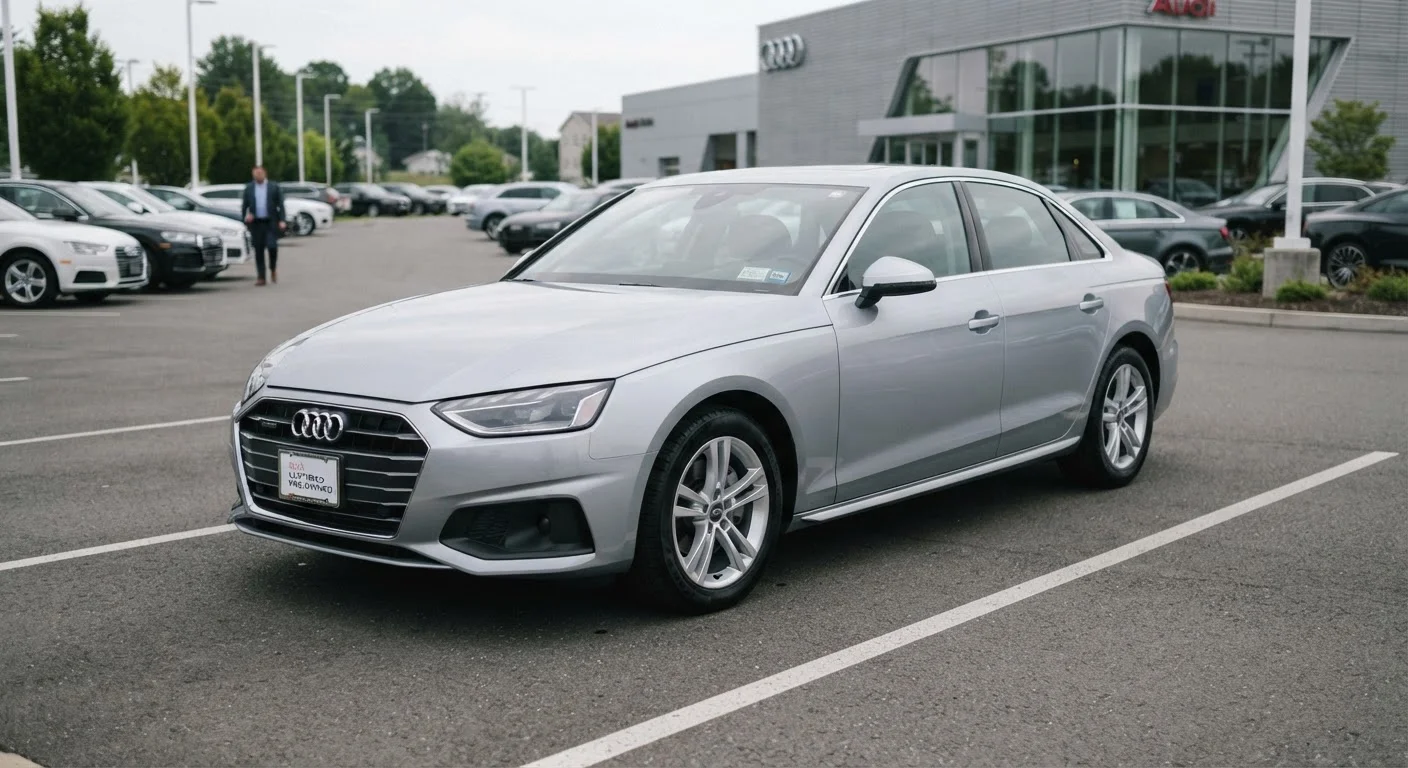
Photo credit: QuickInsights.net
In this article
CPO vehicles come with extra assurances—but the details vary widely. Learn what to verify before assuming you're fully covered.
Key Takeaways
- CPO programs differ widely - manufacturer-backed programs offer stronger, more standardized protection than dealer-certified ones.
- The inspection checklist, warranty length, and what is actually covered all vary by program and should be verified in writing.
- CPO vehicles typically cost more than comparable non-certified used cars - whether that premium is justified depends on the specific program.
- A CPO warranty does not replace auto insurance or eliminate the need to understand coverage gaps.
- Even a CPO vehicle can benefit from an independent pre-purchase inspection to catch issues the certification process may have missed.
What 'Certified' Actually Means
The word certified sounds authoritative, but it carries no universal legal definition in the automotive industry. Any dealership can technically label a used car as certified, which means the burden falls on you, the buyer, to understand exactly what standard was applied.
There are two fundamentally different types of CPO programs:
- Manufacturer-backed programs: Run by automakers through their franchised dealer networks. These follow documented inspection standards, use OEM (original equipment manufacturer) parts for repairs, and provide warranties that can be honored at any authorized dealer in the country.
- Dealer-certified programs: Created by individual dealerships with their own criteria. These have no third-party oversight, and coverage may be limited to repairs performed only at that dealership.
The distinction matters enormously. When evaluating any CPO vehicle, ask directly: Is this a manufacturer-backed program or a dealer program? Request the written certification standards and warranty terms - not just a verbal summary.
Dealer-Certified vs. Manufacturer-Certified: Not the Same Thing
A vehicle described as 'dealer-certified' or 'pre-owned certified' without specifying the automaker's program is almost certainly not manufacturer-backed. Always confirm whether the program is administered by the vehicle's manufacturer or by the selling dealership. This distinction determines whether the warranty is honored nationally, what standards the inspection followed, and who stands behind the coverage if a dispute arises.
What a CPO Program Typically Covers
Manufacturer-backed CPO programs generally include two components: a multipoint inspection and a warranty extension.
The Inspection
Most manufacturer programs require vehicles to pass an inspection ranging from roughly 100 to 200+ checkpoints covering mechanical, electrical, and safety systems. Vehicles that fail must be reconditioned before being sold as CPO. However, the depth and rigor of these inspections varies - a 172-point checklist does not automatically mean every system was tested equally.
The Warranty
CPO warranties typically layer on top of any remaining original factory warranty. They often include a powertrain warranty covering the engine, transmission, and drivetrain, and sometimes a shorter limited warranty that covers additional components. Key details to verify:
- Coverage start date - is it from the original sale date or from your purchase date?
- Mileage cap
- Deductible per repair visit (if any)
- Whether roadside assistance is included
For a broader understanding of how factory and extended warranty layers interact, see how factory warranty coverage works.
~175
Typical inspection checkpoints in a manufacturer CPO program
Most major automaker CPO programs document between 100 and 200+ inspection points, though the depth of each check is not standardized across the industry.
100,000 mi
Common CPO powertrain warranty mileage ceiling
Many manufacturer-backed CPO programs extend powertrain coverage up to 100,000 total miles from the original sale date, though exact terms vary by automaker and program.
2-4 yrs
Typical age limit for manufacturer CPO eligibility
Most manufacturer CPO programs restrict eligibility to vehicles under a certain age - often five years or fewer - and below a defined mileage threshold, typically between 60,000 and 80,000 miles.
What CPO Programs Typically Do Not Cover
The gaps in CPO coverage are just as important as what's included. Common exclusions across most programs include:
- Wear-and-tear items: Tires, brake pads, clutches, belts, wiper blades, and light bulbs are almost universally excluded.
- Cosmetic issues: Dents, scratches, and interior wear are generally not covered unless they were part of a specific reconditioning commitment.
- Pre-existing conditions: Some programs exclude repairs for issues that existed before certification - and what counts as pre-existing can be a point of dispute.
- Modified vehicles: Aftermarket modifications can void CPO coverage entirely.
It is also worth noting that a CPO warranty is separate from your auto insurance policy. Insurance covers liability, collision, and comprehensive losses - not mechanical failures. For an overview of how coverage types differ, the auto insurance hub provides useful context.
If you are comparing CPO warranty coverage to aftermarket protection options, extended vehicle warranties explains how those products work and where they fall short.
Is the CPO Premium Worth It?
CPO vehicles typically carry a price premium over comparable non-certified used cars - sometimes a few hundred dollars, sometimes significantly more depending on the vehicle and program. Whether that premium represents fair value depends on three factors:
- The specific program's strength. A manufacturer-backed program with a long powertrain warranty and low deductible offers more tangible value than a short, dealer-only guarantee.
- The vehicle's age and mileage. A three-year-old vehicle with 30,000 miles may still have meaningful original factory warranty remaining, making the CPO add-on less critical. A five-year-old vehicle near the end of its original coverage may benefit more from the extended terms.
- Your risk tolerance and budget for repairs. A CPO warranty functions somewhat like an insurance product - its value depends on whether you would face a repair bill you cannot easily absorb.
Before deciding, it helps to weigh this option alongside the broader new-versus-used question. New car vs. used car trade-offs breaks down how depreciation, financing, and warranty considerations interact across vehicle types.
Regardless of CPO status, an independent inspection remains one of the most practical steps a buyer can take. Getting a pre-purchase inspection explains how to arrange one and what it typically reveals. CPO programs inspect vehicles too, but those inspections are conducted by the party selling the car - a meaningful distinction.
Understanding CPO coverage is also part of the larger picture of what long-term car ownership actually involves, from maintenance costs to resale value.
Ask for the Written Warranty Document
Before agreeing to any CPO purchase, request the actual warranty contract - not a brochure or a verbal summary. Confirm the coverage start date, mileage cap, deductible per visit, and the full list of exclusions. This document is what governs your rights, and any discrepancy between what a salesperson says and what the contract states will be resolved in favor of the contract.
Frequently Asked Questions

Author
Autos & Vehicles Editorial Team
Autos & Vehicles Editorial Team is the collective byline for our editorial team and contributor network. Articles published under this byline or an editorial pen name are researched, written, and reviewed according to our editorial standards for clarity, consistency, and independence before publication.
View all articles →