
Everything Involved in Long-Term Car Ownership
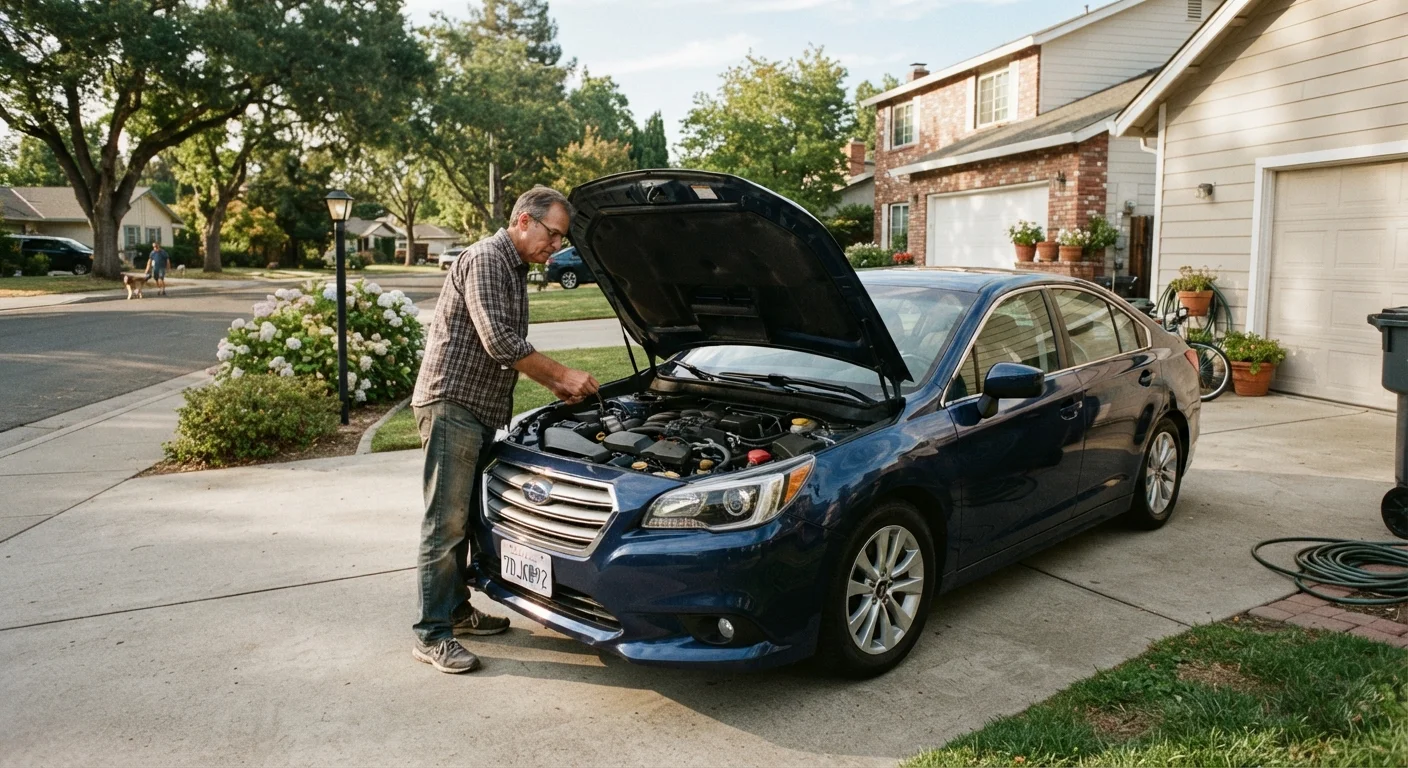
Photo credit: QuickInsights.net
In this article
From routine maintenance to insurance, registration, and eventual resale—a comprehensive look at what it really takes to own a vehicle over the long haul.
Key Takeaways
- Total cost of ownership extends well beyond your monthly loan payment or purchase price.
- Consistent, scheduled maintenance is the single most effective way to extend vehicle life.
- Insurance and registration requirements change over time and deserve annual review.
- Setting aside a dedicated repair fund reduces financial stress when unexpected issues arise.
- Understanding depreciation helps you decide when keeping a vehicle stops making economic sense.
The Real Cost of Owning a Car Long-Term
Most drivers focus on the sticker price or monthly payment when acquiring a vehicle, but the true financial picture only emerges over years of ownership. AAA estimates that the average annual cost of vehicle ownership - factoring in fuel, maintenance, tires, insurance, registration, and depreciation - runs several thousand dollars per year depending on vehicle type and driving habits. That figure can surprise owners who haven't tracked costs systematically.
Key expense categories to budget for include:
- Fuel: Varies significantly by vehicle efficiency and local prices.
- Routine maintenance: Oil changes, filters, tire rotations, and scheduled service.
- Tires: Typically replaced every 25,000-50,000 miles depending on type and driving style.
- Insurance premiums: Reviewed annually; rates shift with your driving record, vehicle age, and coverage choices.
- Registration and taxes: Annual fees set by your state.
- Unplanned repairs: Increases as a vehicle ages.
- Depreciation: The largest hidden cost for most owners.
If you're weighing long-term ownership against a lease, the side-by-side cost comparison of leasing vs. buying breaks down where each path wins and loses financially.
$10,000+
Average annual cost to own and operate a vehicle
AAA's annual 'Your Driving Costs' study consistently estimates total vehicle ownership costs - including depreciation, fuel, insurance, and maintenance - in this range for many vehicle categories.
200,000+
Miles many modern vehicles can reach with proper maintenance
Consumer Reports and industry analysts note that improved engineering and materials mean well-maintained vehicles routinely reach high mileage thresholds that were uncommon in earlier decades.
~47%
Typical value lost in first three years of ownership
Edmunds and other automotive research sources estimate that many new vehicles depreciate roughly 40-50% of their original value within the first three years.
Routine Maintenance: The Foundation of Reliability
No single habit does more for your vehicle's longevity than following the manufacturer's recommended maintenance schedule - found in your owner's manual, not on a shop's upsell sheet. Modern vehicles have extended service intervals, but that doesn't mean all maintenance can wait.
Core Maintenance Tasks and General Intervals
- Engine oil and filter: Follow manufacturer guidance; many modern engines specify 5,000-10,000 miles between changes depending on oil type.
- Tire rotation: Every 5,000-7,500 miles promotes even wear and extends tire life.
- Brake inspection: Annually, or sooner if you notice squealing or longer stopping distances.
- Air filter (engine and cabin): Typically every 15,000-30,000 miles.
- Coolant, transmission fluid, and brake fluid: Per manufacturer schedule - often overlooked until a failure occurs.
- Timing belt or chain: Critical inspection; belt replacement is often required between 60,000-100,000 miles on applicable vehicles.
Use your owner's manual - not the oil-change reminder sticker - as your authoritative maintenance schedule. Shops have an incentive to recommend shorter intervals than your manufacturer requires.
Manufacturer schedules are engineered for your specific engine and oil type. Following them precisely avoids both under-maintenance and unnecessary spending on services you don't yet need.
Take photos of your vehicle's condition at purchase and at each annual renewal - interior, exterior, and odometer. This creates a timestamped record that's valuable for insurance claims and resale documentation.
Disputes over pre-existing damage are common when selling privately or after an accident. A consistent photo log resolves ambiguity quickly and protects your financial interests.
Keeping a maintenance log - whether a paper folder in the glove box or a simple spreadsheet - creates a verifiable service history. That record protects you legally, helps a mechanic diagnose issues faster, and adds demonstrable value if you sell the vehicle later.
Insurance, Registration, and Ongoing Legal Requirements
Owning a vehicle comes with recurring legal obligations that don't expire when you finish paying off your loan. Every state requires minimum liability insurance, and most require annual or biennial registration renewal. Some states also mandate periodic safety or emissions inspections.
Insurance needs evolve as your vehicle ages. A new car typically warrants comprehensive and collision coverage; as a vehicle's market value drops, the math on those coverages changes. Paying $800 annually for collision coverage on a vehicle worth $3,000 may not make financial sense - though every owner's situation differs. Review your policy at each renewal. The auto insurance guidance hub explains coverage types and what factors to weigh.
Registration fees vary by state and sometimes by vehicle weight or age. Emissions testing requirements also differ - some states exempt older vehicles, while others have stricter rules for high-mileage cars. Check your state's DMV website for current requirements rather than relying on memory from prior years.
Managing Repairs and Unexpected Costs
Even well-maintained vehicles develop problems. Mechanical systems wear out; electrical components fail; weather and road conditions take a toll. The question isn't whether you'll face unplanned repairs, but whether you're financially prepared when they arrive.
A practical approach is to maintain a dedicated vehicle repair fund - a separate savings buffer earmarked for car-related expenses. Financial guidance commonly suggests setting aside $50-$100 per month for this purpose, though the right amount depends on your vehicle's age, mileage, and reliability history.
Don't Delay Safety-Critical Repairs
Deferred maintenance on brakes, tires, steering, and lighting isn't just a vehicle risk - it's a safety and legal risk. Many states allow officers to cite drivers for observable mechanical deficiencies, and insurance claims can be complicated if a collision is linked to known, unaddressed mechanical problems. Address safety-related issues promptly, even when the timing feels inconvenient.
When selecting a repair shop, ask for a written estimate before authorizing work, request that replaced parts be returned to you, and verify that the shop employs technicians certified by ASE (Automotive Service Excellence) - a widely recognized credential in the U.S. For major repairs, getting a second opinion is reasonable and often worthwhile. For complex diagnostics, electrical issues, or anything involving safety systems like brakes, steering, or airbags, use a qualified mechanic rather than attempting DIY repairs.
Extended warranties and vehicle service contracts are available after a factory warranty expires. These products vary widely in terms of what they cover, exclusions, and claim processes. Read any contract carefully before purchasing, and understand that coverage terms differ significantly across providers.
Depreciation, Resale Value, and Knowing When to Move On
Depreciation - the decline in a vehicle's market value over time - is typically the largest single cost of ownership. Most vehicles lose a significant portion of their value in the first few years, then depreciate more gradually. By the time a vehicle reaches 100,000+ miles, depreciation slows considerably, which is one reason keeping a reliable, paid-off vehicle can be economically advantageous.
Several factors influence how well a vehicle holds its value: general reputation for reliability, fuel efficiency, supply and demand for that model, mileage, condition, and completeness of service records. Cosmetic condition matters too - rust, interior damage, and worn upholstery reduce resale price in ways that are largely preventable.
The decision to keep or sell a vehicle comes down to a straightforward comparison: the cost to repair and maintain what you have versus the full cost of acquiring something newer, including insurance changes, registration, financing costs, and the new vehicle's own depreciation curve. There's no universal answer, but running the actual numbers prevents decisions driven purely by frustration after a repair bill.
For broader context on the buying side of that equation, the buying a car resource hub covers the purchasing process from research through negotiation.
This article is for general informational purposes only and does not constitute financial, legal, or mechanical advice. Consult qualified professionals for guidance specific to your vehicle and situation.

Author
Autos & Vehicles Editorial Team
Autos & Vehicles Editorial Team is the collective byline for our editorial team and contributor network. Articles published under this byline or an editorial pen name are researched, written, and reviewed according to our editorial standards for clarity, consistency, and independence before publication.
View all articles →