
Emergency Fund vs. Savings Goal: Where Your Extra Dollars Should Go First
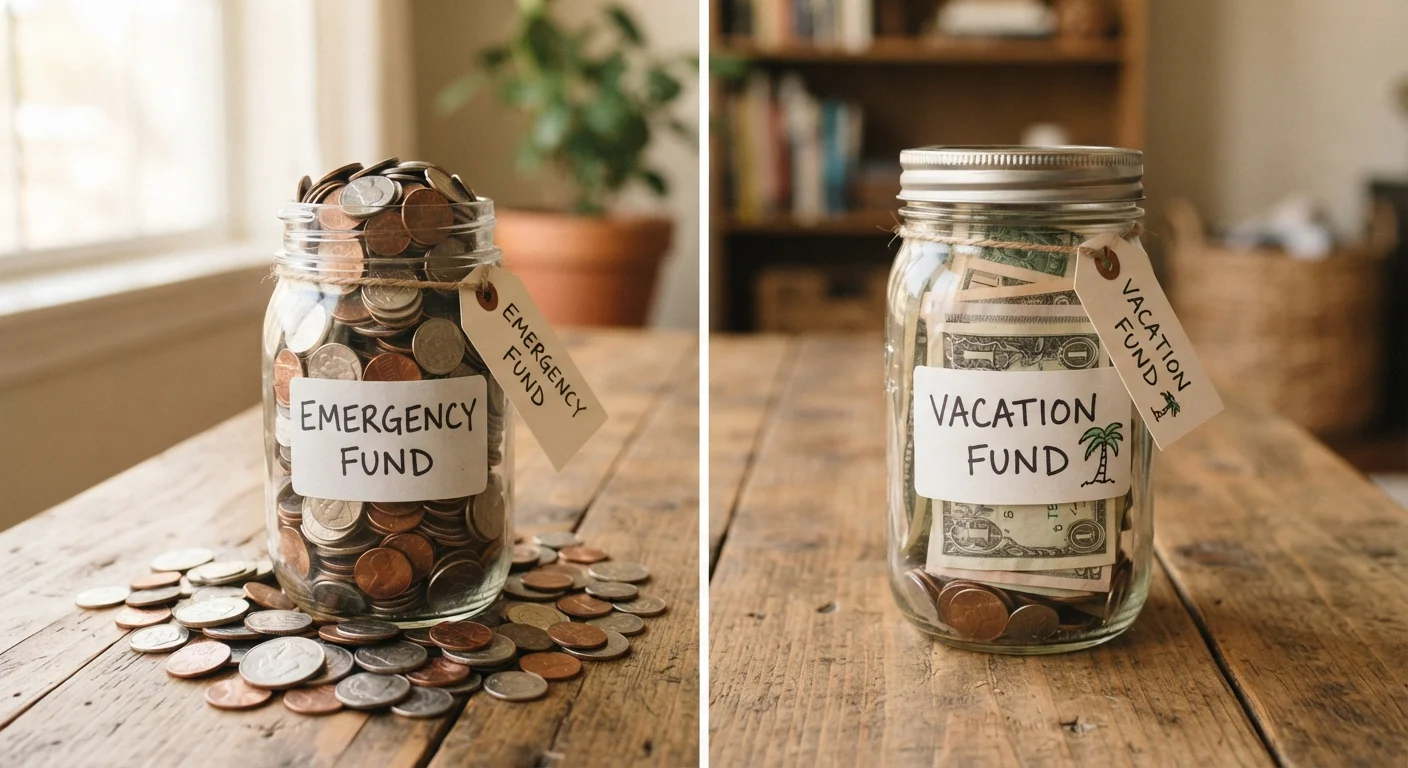
Photo credit: QuickInsights.net
In this article
Should you build an emergency fund or save toward a specific goal? Understand what each serves, how they interact, and how to prioritize within a tight budget.
Key Takeaways
- An emergency fund protects against unexpected financial shocks; a savings goal funds a planned future expense.
- Financial planners generally recommend building at least a starter emergency fund before aggressively pursuing other savings goals.
- Once a basic emergency buffer exists, you can split extra dollars between both purposes simultaneously.
- Your job stability, insurance coverage, and existing debt influence how large your emergency fund needs to be.
- Keeping emergency funds and goal savings in separate accounts reduces the temptation to raid either one.
What Each One Actually Does
An emergency fund is a pool of liquid cash reserved exclusively for genuine financial surprises - a job loss, an urgent car repair, an unexpected medical bill. It isn't meant to be touched for planned expenses, no matter how tempting. Its job is to prevent a bad week from becoming a debt spiral.
A savings goal is money earmarked for something specific and anticipated - a vacation, a down payment, new furniture, or a car. Unlike an emergency fund, a savings goal has a defined target and often a target date. Both are forms of saving, but they serve entirely different functions in your financial life.
Understanding that distinction matters because mixing the two - mentally or in the same account - creates problems. If you dip into your "savings" for a car repair, you may lose months of progress on your goal. If you label everything "emergency fund," you risk spending it on non-emergencies. Matching accounts to goals is a useful next step once you understand why they're separate.
Head-to-Head: Emergency Fund vs. Savings Goal
The table below lays out the core differences at a glance. Neither is inherently superior - both belong in a healthy financial plan.
| Criterion | Emergency Fund | Savings Goal |
|---|---|---|
| Purpose | Cushion against unplanned expenses | Fund a specific planned expense |
| Target amount | 3-6 months of living expenses (commonly cited) | Exact cost of the goal |
| Timeline | Ongoing; replenish after each use | Fixed target date |
| Access needed | Immediate, liquid access required | Less urgent; can tolerate short delays |
| Spending trigger | Unexpected financial shock | Planned milestone or purchase |
| Account type | High-yield savings or money market | Separate savings or goal account |
| Priority order | Generally funded first | Pursued once basic buffer exists |
Why the Emergency Fund Comes First - With One Important Caveat
Most personal finance guidance places an emergency fund before discretionary savings goals, and for good reason. Without one, any financial setback - even a modest one - can push you toward credit cards or personal loans at high interest rates. That debt then becomes its own obstacle to building savings.
That said, "first" doesn't have to mean "only." Once you have a starter emergency fund - even $500 to $1,000 - you have a meaningful buffer against the most common small emergencies. At that point, splitting contributions between your emergency fund and a savings goal is a reasonable strategy, especially if your goal has a firm deadline.
~57%
Americans unable to cover a $1,000 emergency from savings
A Bankrate survey found that fewer than half of U.S. adults could comfortably pay an unexpected $1,000 expense from savings without borrowing.
3-6 months
Commonly recommended emergency fund size
Many personal finance educators and nonprofit financial counselors cite three to six months of essential expenses as a reasonable emergency fund target for most households.
How large your emergency fund ultimately needs to be depends on factors specific to you: the stability of your income, your household size, your health insurance deductible, and whether you own a home. Homeowners, for instance, often benefit from keeping a larger cash reserve - see our piece on home maintenance reserve funds for context on that overlap.
If budgeting feels like the underlying challenge, starting with the basics can help you build the structure these decisions require.
Making Both Work on a Tight Budget
The most practical approach for most households is a tiered priority system:
- Cover essential expenses first. Rent, utilities, groceries, and minimum debt payments come before any savings activity.
- Build a starter emergency fund. Direct extra dollars here until you have at least one month of basic living expenses set aside.
- Split remaining dollars. Once the starter fund exists, divide your discretionary savings between topping up the emergency fund and your savings goal - proportional to urgency and timeline.
- Reassess regularly. As your income changes or your goal shifts, rebalance those proportions.
Automating both contributions - even small ones - removes the decision friction each month. Separate accounts help too, so you always know exactly where you stand on each front. High-yield savings accounts can make both buckets work a little harder while remaining accessible. For a framework that incorporates savings and debt repayment simultaneously, the guidance on building a budget around both offers a structured approach.
High-Interest Debt Changes the Equation
If you're carrying high-interest debt - such as credit card balances - some financial educators suggest building only a minimal emergency fund first, then directing extra dollars toward that debt before pursuing other savings goals. The logic is that interest charges on debt often outpace any benefit from saving simultaneously. Once high-interest debt is paid off, you can build both the emergency fund and your savings goal more aggressively. Consult a financial professional to determine the right sequence for your situation.
This article is for general informational purposes only and does not constitute personalized financial advice. Consider consulting a licensed financial professional regarding your specific situation.

Author
Personal Finance Editorial Team
Personal Finance Editorial Team is the collective byline for our editorial team and contributor network. Articles published under this byline or an editorial pen name are researched, written, and reviewed according to our editorial standards for clarity, consistency, and independence before publication.
View all articles →