
Understanding Your Car's Warranty Coverage
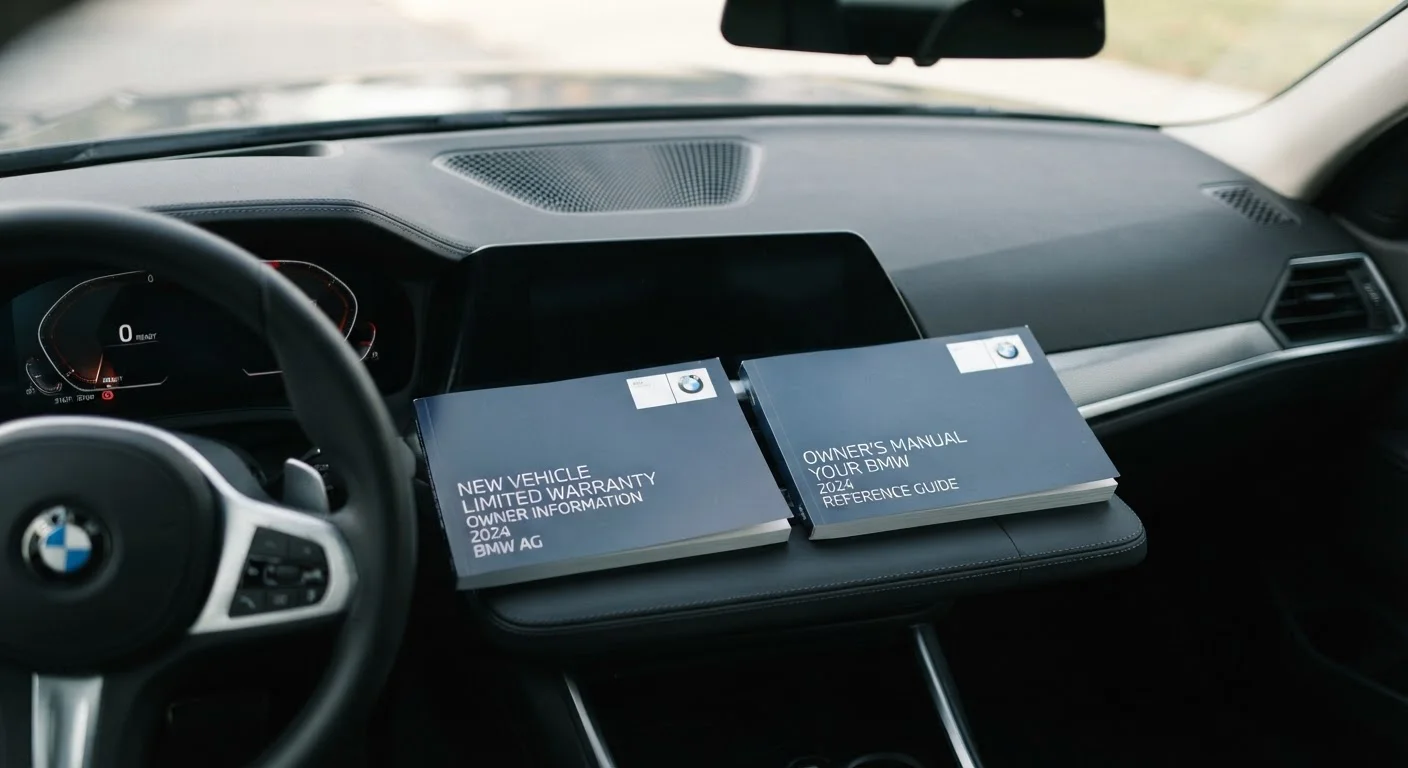
Photo credit: QuickInsights.net
In this article
Bumper-to-bumper, powertrain, and emissions warranties each cover different things. Learn what's included, what voids coverage, and how to use it.
Key Takeaways
- New vehicles typically come with three distinct warranties: bumper-to-bumper, powertrain, and emissions.
- Each warranty type covers different components and expires on different schedules.
- Skipping required maintenance or modifying your vehicle can void specific warranty protections.
- Always have warranty repairs performed at an authorized dealer or facility and keep service records.
- A factory warranty and auto insurance cover fundamentally different risks-one covers defects, the other covers accidents.
The Three Main Types of New-Car Warranty
Most new vehicles sold in the United States come with at least three distinct warranties running simultaneously. Understanding what each one covers prevents surprises when something goes wrong.
Bumper-to-Bumper (Comprehensive) Warranty
This is the broadest coverage. Despite the name, it doesn't literally cover every component-items that wear out through normal use, such as brake pads, tires, and wiper blades, are typically excluded. What it does cover is most electrical systems, the air conditioning, infotainment, steering, suspension, and hundreds of other components against defects. Typical terms run around 3 years or 36,000 miles, whichever comes first, though this varies by manufacturer.
Powertrain Warranty
The powertrain warranty covers the components that generate and deliver power: the engine, transmission, and drivetrain (driveshafts, axles, and differentials). Because these are the most expensive parts to repair or replace, manufacturers tend to offer longer terms here-commonly 5 years or 60,000 miles, sometimes more. If your bumper-to-bumper coverage has expired but your powertrain warranty has not, a transmission failure would still be covered; a broken power window switch would not.
Emissions Warranty
Federal law requires automakers to warranty emissions-related components separately. There are two tiers: a basic emissions warranty typically covering 2 years or 24,000 miles, and a longer defect warranty on major emissions components-such as the catalytic converter and engine control module-that generally extends to 8 years or 80,000 miles. These terms are set by the EPA, not the manufacturer.
3 yr / 36K mi
Typical bumper-to-bumper warranty term
The most common new-vehicle bumper-to-bumper warranty in the U.S. market, though individual manufacturers may offer shorter or longer coverage periods.
8 yr / 80K mi
EPA-mandated major emissions component warranty
Federal emissions regulations require this minimum coverage for major emissions components such as catalytic converters and engine control modules on most light-duty vehicles.
5 yr / 60K mi
Common powertrain warranty term
Powertrain warranties frequently exceed bumper-to-bumper terms because engine and transmission repairs are among the costliest vehicle failures.
What Can Void Your Warranty
A warranty is a conditional promise. Certain actions can eliminate your coverage, either partially or entirely.
- Deferred or skipped maintenance: Manufacturers require you to follow the service schedule in your owner's manual. If a failure is traced to neglected maintenance-such as never changing the engine oil-the manufacturer can deny the claim for that system.
- Unauthorized modifications: Installing performance chips, lifting a vehicle beyond factory specs, or making structural changes can void coverage for the systems those modifications affect. The Magnuson-Moss Warranty Act prevents manufacturers from voiding the entire warranty solely because of an aftermarket part, but they can deny claims tied to the modified system.
- Salvage or flood title: A vehicle that has been declared a total loss by an insurer typically loses its factory warranty.
- Odometer tampering: Rolling back or interfering with the odometer is illegal and will void warranty coverage.
- Misuse: Using a standard passenger vehicle for commercial racing, for example, generally falls outside the warranty's scope.
Keep Your Service Records Organized
Store receipts and service invoices-whether from a dealer, independent shop, or DIY maintenance-in a dedicated folder for each vehicle you own. Dated records are your primary defense if a warranty claim is challenged. A simple photo of each receipt stored in cloud storage takes seconds and can save you significant money.
How to Use Your Warranty Effectively
Knowing your rights matters as much as knowing what's covered.
Document Everything
Keep a dated log of every service visit, oil change, and repair-whether performed by a dealer, an independent shop, or yourself. If a warranty claim is ever disputed, your records are your evidence. The Magnuson-Moss Warranty Act does not require you to use the dealership for routine maintenance, but you must be able to prove the maintenance was performed.
Go to an Authorized Facility for Warranty Repairs
Warranty repairs on new vehicles must be performed by an authorized dealer or service center. Attempting to fix a covered failure yourself or having it repaired by an unauthorized shop before involving the manufacturer could complicate or eliminate your claim.
Understand the Lemon Law Safety Net
Every state has a lemon law protecting consumers when a vehicle has a recurring, substantial defect that cannot be repaired after a reasonable number of attempts. The specifics vary by state-thresholds, timelines, and eligible vehicles differ-so check your state's consumer protection agency for the applicable rules.
For a broader view of what owning a vehicle entails beyond the warranty period, see everything involved in long-term car ownership. If you're considering a used vehicle with remaining factory coverage, also review what certified pre-owned programs actually cover before assuming you're fully protected.
Warranty vs. Auto Insurance: Two Different Protections
A common point of confusion is the relationship between a factory warranty and auto insurance. They are not interchangeable-they cover fundamentally different risks.
A factory warranty covers defects: the vehicle fails because of how it was designed or manufactured. Auto insurance covers events: accidents, theft, weather damage, and liability to others. If a manufacturing defect in your steering system causes a crash, the warranty may cover the part repair; your auto insurance would address the liability and collision consequences.
For a clear breakdown of how insurance coverage categories work, see liability, collision, and comprehensive coverage explained. If you want protection beyond your factory warranty's expiration date, extended warranties for vehicles are a separate product worth evaluating carefully-their terms vary widely and exclusions matter.
This article provides general information about vehicle warranties and is not legal or financial advice. For questions about a specific warranty claim or dispute, consult a licensed attorney or your state's consumer protection office.
Frequently Asked Questions

Author
Autos & Vehicles Editorial Team
Autos & Vehicles Editorial Team is the collective byline for our editorial team and contributor network. Articles published under this byline or an editorial pen name are researched, written, and reviewed according to our editorial standards for clarity, consistency, and independence before publication.
View all articles →