
New Car vs. Used Car: Weighing the Real Trade-Offs
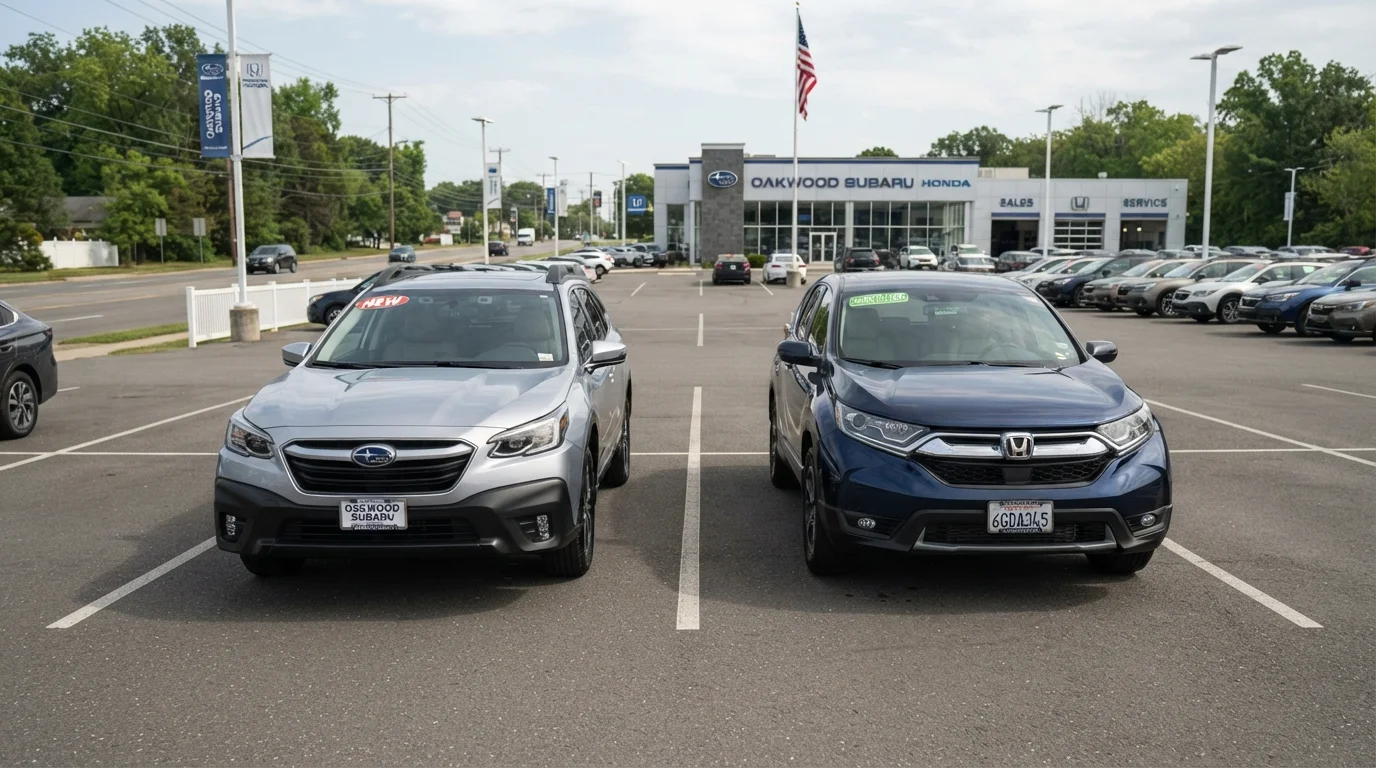
Photo credit: QuickInsights.net
In this article
Depreciation, warranties, financing rates, and peace of mind all play a role. Here's how to think through the choice clearly.
Key Takeaways
- New cars depreciate fastest in the first two to three years; used buyers often absorb that loss through a lower purchase price.
- New cars typically carry full manufacturer warranties; used car coverage varies widely by age, mileage, and seller type.
- Financing rates on new vehicles are often lower than on used ones, which can offset part of the higher sticker price.
- Insurance premiums are generally higher for new vehicles due to their replacement cost.
- Certified pre-owned programs can bridge the gap but require careful verification of what the label actually covers.
The Depreciation Reality
Depreciation is the single largest cost most drivers never see as a line item - yet it quietly determines how much value you lose while you own the vehicle. A new car can shed roughly 15-25% of its value in the first year alone, with the steepest drop occurring in the first few months after purchase. By year three, a vehicle may have lost 40-50% of its original transaction price, depending on make, model, and market conditions.
Buying used means someone else has already absorbed that early loss. A three-year-old vehicle with 35,000 miles often delivers the same reliable transportation as its new equivalent at significantly less cost. The caveat: you inherit whatever wear, repair needs, or undisclosed history comes with it - which is why a pre-purchase inspection by an independent mechanic is worth scheduling before you commit.
If you plan to keep a new car for ten or more years, the depreciation argument weakens. Spread over a long ownership period, the initial value drop represents a smaller fraction of total cost, and you benefit from full manufacturer warranty coverage during the years when the vehicle is most trouble-free.
| Criterion | New Car | Used Car |
|---|---|---|
| Purchase price | Higher; full market value | Lower; depreciation already absorbed |
| Depreciation exposure | Immediate and steep in year one | Reduced; prior owner absorbed early loss |
| Financing rates | Typically lower from lenders | Typically higher from lenders |
| Warranty coverage | Full manufacturer warranty | Varies: remaining OEM, CPO, or none |
| Insurance premiums | Generally higher | Generally lower |
| Technology & safety features | Latest available | Reflects model year purchased |
| Service history | Clean slate; you are first owner | Unknown or partially documented |
| Selection | Full trim and color options | Limited to available inventory |
Financing, Insurance, and Total Cost
The sticker price is only the starting point. Financing rates on new vehicles are frequently lower than those on used vehicles - sometimes significantly - because lenders view new cars as more predictable collateral. A lower interest rate can offset a portion of the higher purchase price when you run the numbers over the full loan term. That said, a smaller loan on a used car can still result in less total interest paid, even at a higher rate.
~20%
Average new-car value lost in year one
Industry estimates from sources including Edmunds and iSeeCars have consistently placed first-year depreciation in the 15-25% range for most mainstream vehicles.
1-3%
Typical rate gap: new vs. used auto loans
Federal Reserve consumer credit data has historically shown used-vehicle loan rates running roughly one to three percentage points above new-vehicle rates, though the spread fluctuates with market conditions.
Insurance costs also differ. Because a new vehicle costs more to repair or replace, comprehensive and collision premiums are generally higher. Some buyers are surprised to find that a modestly priced used car with lower coverage requirements can reduce their monthly insurance bill meaningfully. The right coverage level for your situation depends on factors including loan requirements, your risk tolerance, and state minimums.
Dealership add-ons can affect either transaction. Gap insurance, for instance, is often more relevant on a new car with a large loan - because depreciation can temporarily leave you owing more than the car is worth. Understanding which add-ons address real risks and which are margin-builders helps you negotiate clearly. See our breakdown of dealership add-ons and how to evaluate each one for a clear-eyed look.
Warranty Coverage and Peace of Mind
New vehicles come with full manufacturer warranties - typically a bumper-to-bumper coverage period (often three years or 36,000 miles) and a powertrain warranty that extends further. During that window, most unexpected repair costs are covered, which makes budgeting more straightforward.
Used cars present a wider range of coverage scenarios. A vehicle still within its original warranty transfers some protection to a new owner in most cases, but mileage and age limits may leave little runway. Vehicles sold as-is - common in private-party sales and some dealer transactions - carry no coverage at all.
Certified pre-owned (CPO) programs occupy the middle ground. These are used vehicles that have passed a manufacturer-specified inspection and carry an extended warranty backed by the automaker. However, what the CPO label covers varies considerably between brands and programs. The details of CPO coverage are worth verifying closely before assuming broad protection.
Beyond formal warranty terms, service history matters. A used vehicle with complete maintenance records gives you much better visibility into its condition than one with a blank service history. Ask for documentation - and treat gaps as a signal to dig deeper, not an obstacle to ignore.
Whichever path you take, be aware that several common assumptions about the car-buying process can cost you money or leave you with a vehicle that doesn't match your actual needs.
Trade-In Timing Affects Both Scenarios
If you currently own a vehicle, its trade-in value is part of your overall transaction - whether you're buying new or used. Trade-in offers are influenced by market demand, the vehicle's condition, and timing relative to model-year cycles. Understanding how dealers arrive at that figure can help you negotiate from a more informed position. See our look at how trade-in values are determined for more context.

Author
Autos & Vehicles Editorial Team
Autos & Vehicles Editorial Team is the collective byline for our editorial team and contributor network. Articles published under this byline or an editorial pen name are researched, written, and reviewed according to our editorial standards for clarity, consistency, and independence before publication.
View all articles →