
Getting a Pre-Purchase Inspection on a Used Car
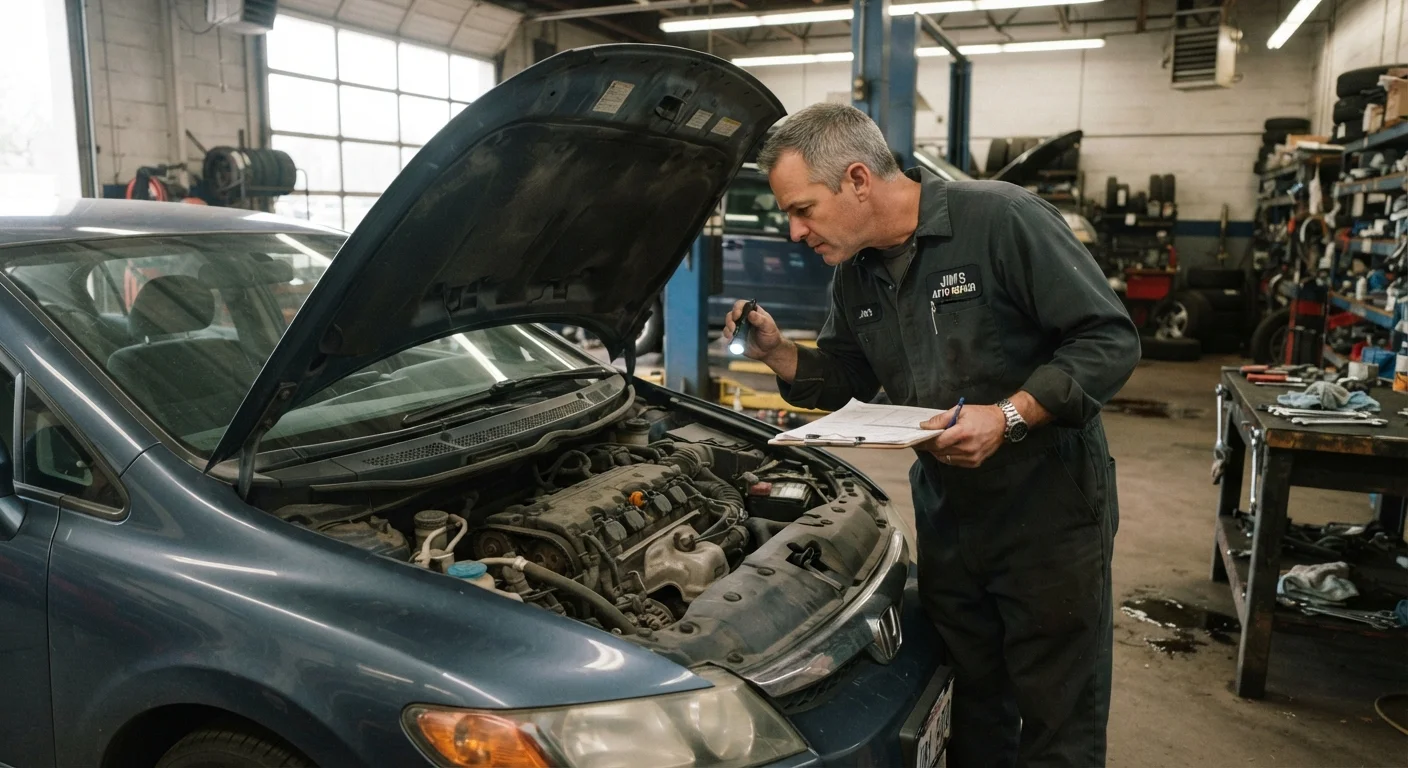
Photo credit: QuickInsights.net
An independent mechanic's inspection can surface problems a test drive never will. Here's how to arrange one and what it covers.
Key Takeaways
- A pre-purchase inspection (PPI) by an independent mechanic can reveal hidden problems a test drive won't catch.
- The inspection typically costs $100-$200 - a small price relative to a costly repair surprise.
- You can choose your own mechanic; you are not obligated to use one suggested by the seller.
- A clean inspection report also strengthens your negotiating position on price.
- A PPI complements - but does not replace - a vehicle history report.
Why an Independent Inspection Matters
Used car listings rarely volunteer bad news. Even a well-maintained vehicle can carry hidden problems - deferred maintenance, undisclosed collision repairs, or early-stage mechanical wear - that won't appear in a seller's description or during a brief test drive.
A pre-purchase inspection (PPI) puts an independent expert between you and an expensive mistake. The mechanic has no stake in whether the sale happens, which makes their assessment genuinely objective in a way that a seller's assurances cannot be.
If you're weighing whether a used car makes sense for your situation at all, our article on new vs. used car trade-offs covers the full picture - depreciation, warranties, and financing rates included.
Don't Rely on a Test Drive Alone
A test drive can tell you how a car feels, but it won't reveal a leaking oil gasket, a cracked frame rail, or a transmission showing early signs of slippage. Many serious mechanical problems produce no noticeable symptoms during a 20-minute drive. An independent inspection is the only reliable way to surface these issues before the purchase is final.
For buyers considering a CPO vehicle, note that manufacturer inspections are not the same as an independent PPI. Our piece on what CPO programs actually cover explains where those programs have gaps.
What a Mechanic Checks - and What They Don't
A standard PPI on a lift covers the major mechanical and structural systems: engine condition and oil quality, transmission operation, brake pad and rotor wear, suspension and steering components, exhaust integrity, tire tread and condition, and the undercarriage for rust or evidence of prior frame damage.
Reputable shops also run an OBD-II scan to check for stored diagnostic codes, even if the check-engine light isn't currently illuminated - codes can be cleared temporarily to hide problems.
Use the Inspection Report to Negotiate
A documented list of defects gives you concrete, unemotional leverage at the negotiating table. Repair estimates from the mechanic are more persuasive than a vague request for a discount. Sellers - particularly private sellers - often accept price reductions when faced with written evidence of needed work.
What a PPI typically does not cover: the interior condition beyond basic electrical checks, audio or infotainment systems, or cosmetic bodywork. If those matter to you, evaluate them yourself before or during the inspection appointment.
For ongoing ownership knowledge after your purchase, the Car Ownership hub has practical guidance on maintenance, registration, and managing your vehicle long-term.
A PPI Does Not Guarantee Future Reliability
A pre-purchase inspection reflects the car's condition on one specific day. Mechanical components can fail without warning even after a clean report. A PPI significantly reduces your risk but does not eliminate it. Factor this uncertainty into your budget by keeping a repair reserve after purchase.

Author
Autos & Vehicles Editorial Team
Autos & Vehicles Editorial Team is the collective byline for our editorial team and contributor network. Articles published under this byline or an editorial pen name are researched, written, and reviewed according to our editorial standards for clarity, consistency, and independence before publication.
View all articles →