
Watering Deeply vs. Watering Often: What Plants Actually Need
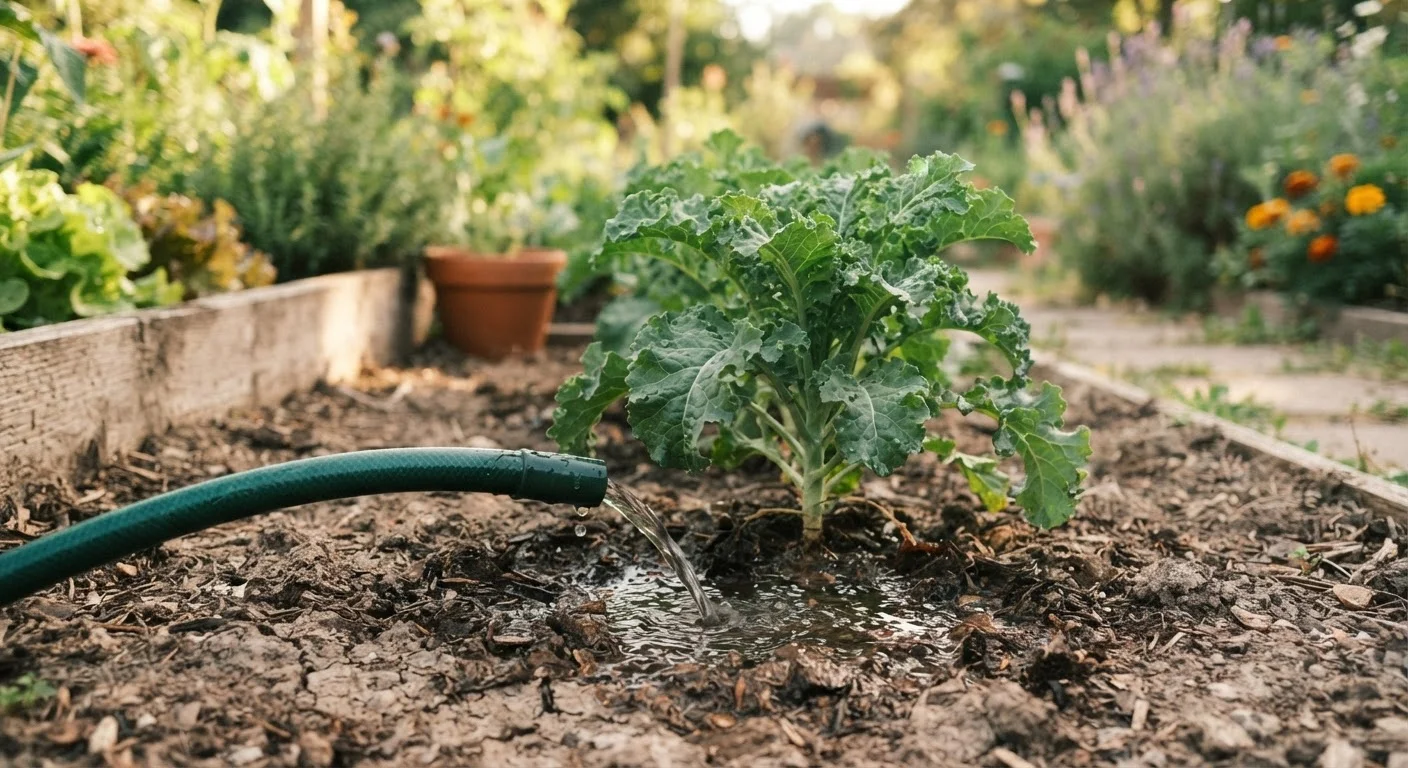
Photo credit: QuickInsights.net
In this article
Frequent shallow watering can weaken roots. Understand the difference between watering depth and frequency, and when each approach applies.
Key Takeaways
- Deep watering encourages roots to grow downward, making plants more drought-resilient over time.
- Frequent shallow watering keeps moisture near the surface, training roots to stay shallow and weak.
- Seedlings and new transplants genuinely need more frequent watering until they establish root systems.
- Soil type heavily influences how quickly water penetrates and how long moisture is retained.
- Most established garden plants thrive with one or two deep waterings per week rather than daily light sprinkles.
Why the Depth of Watering Changes Everything
Most beginner gardeners focus on watering schedule - how many times a week, what time of day, how much to pour. But the more fundamental question is: how far down does that water actually reach?
Plant roots follow moisture. When water only penetrates the top inch or two of soil, roots stay near the surface chasing it. Those shallow roots make plants vulnerable - a few hot, dry days can stress or kill them. When water soaks down six to twelve inches, roots follow it deeper into the soil profile, where temperatures are more stable and moisture lasts longer between rain events.
This is what gardeners and horticulturists mean by deep watering: applying water slowly enough and long enough that it moves well below the surface. Shallow or frequent watering isn't always wrong - it depends entirely on what you're growing and how established it is. Understanding how your soil behaves is just as important, since sandy soils drain fast while clay soils hold water longer and can become waterlogged.
Deep Watering vs. Frequent Watering: How They Compare
These two approaches aren't equally suited to every situation. The table below breaks down the key differences so you can match your method to your garden's actual needs.
| Criterion | Watering Deeply | Watering Often |
|---|---|---|
| Water penetration depth | 6-12+ inches into soil | 1-3 inches near surface |
| Frequency | Once or twice per week | Daily or multiple times daily |
| Root development | Encourages deep, strong roots | Keeps roots shallow and dependent |
| Drought resilience | High - roots access stable moisture | Low - relies on consistent surface water |
| Best plant stage | Established plants and mature trees | Seedlings and new transplants |
| Water efficiency | Higher - less evaporation over time | Lower - surface water evaporates quickly |
| Effort over time | Less frequent attention needed | Consistent daily monitoring required |
One important nuance: these strategies aren't permanently fixed. A plant you water frequently through its first weeks after transplant will eventually graduate to infrequent deep watering once it's established. Knowing when to make that transition is a practical skill worth developing. See our guide on why seedlings struggle after transplant for timing guidance.
When Frequent Watering Is the Right Call
There are real, legitimate situations where watering often is correct - not just a beginner habit to break.
- Seedlings: Until a young plant develops a root system that can reach deeper moisture, it depends entirely on the top few inches of soil staying consistently moist.
- Recent transplants: Moving a plant disrupts its roots, temporarily reducing its ability to absorb water efficiently. Frequent watering cushions that stress while it re-establishes.
- Container plants: Pots limit root depth and dry out quickly, especially in heat. Containers often need watering more than once a day during summer.
- Sandy or very fast-draining soils: Water moves through sandy soil so rapidly that a single deep watering may not hold long enough. More frequent sessions can compensate.
Container and Raised Bed Plants Dry Out Faster
Plants grown in containers or raised beds lose moisture more quickly than those in open ground, because the soil volume is limited and air circulation around the sides speeds evaporation. During hot summer weather, containers may need watering once or even twice a day. Always check soil moisture before watering rather than following a fixed schedule - overwatering is just as damaging as underwatering.
If you're growing in a raised bed vs. in-ground plot, the drainage differences between the two setups will directly affect how often you need to water.
How to Tell if You're Watering Deeply Enough
The simplest check costs nothing: push a finger or a wooden dowel two to three inches into the soil after watering. If the soil is dry below the first inch, your water didn't penetrate far enough. For a more precise read, push a long screwdriver into the ground - it slides easily through moist soil and stops where soil is dry. If it stops after just a couple of inches, you're watering too briefly.
Another reliable method is digging a small test hole with a trowel after a watering session. Moist soil at six inches or more tells you roots have something to work with. Bone-dry soil beneath a damp crust confirms you're watering often but not deeply.
Timing matters too. Watering slowly - using a soaker hose or drip system rather than a strong spray - gives water time to move downward instead of running off. Watering early in the morning reduces evaporation and gives foliage time to dry before nightfall, which reduces disease pressure.
6-8 inches
Target soil moisture depth for most vegetables
University cooperative extension programs generally recommend watering vegetable gardens to a depth of at least six to eight inches to support productive root growth.
~50%
Outdoor water lost to evaporation and runoff
The U.S. Environmental Protection Agency estimates that roughly half of outdoor irrigation water is wasted through evaporation, wind, or runoff from overwatering.
Over time, combining deep watering habits with good soil health creates gardens that are noticeably easier to maintain - a core idea behind designing low-maintenance outdoor spaces. And if you've heard conflicting advice about watering habits, it's worth checking those claims against common garden myths - some widely shared tips don't reflect how plants actually work.

Author
Home & Garden Editorial Team
Home & Garden Editorial Team is the collective byline for our editorial team and contributor network. Articles published under this byline or an editorial pen name are researched, written, and reviewed according to our editorial standards for clarity, consistency, and independence before publication.
View all articles →