
Common Garden Myths That Might Be Hurting Your Plants
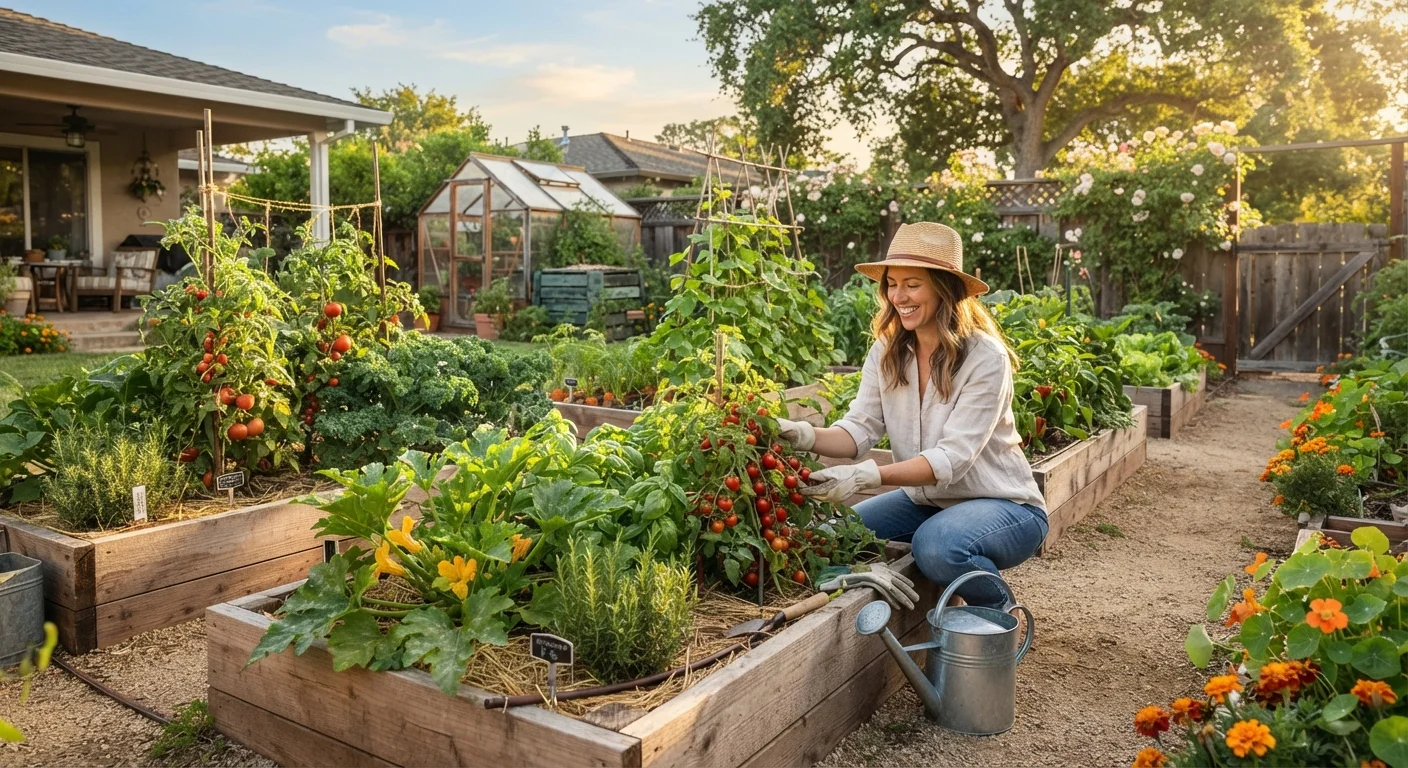
Photo credit: QuickInsights.net
From gravel drainage layers to coffee grounds as fertilizer — some widely repeated garden tips don't hold up. Here's what the evidence says.
Key Takeaways
- Gravel at the bottom of pots actually worsens drainage rather than improving it.
- Coffee grounds can acidify soil and harm plants when applied in excess.
- Deep, infrequent watering builds stronger roots than daily shallow watering.
- Freshly cut grass clippings used as mulch can mat and block moisture from reaching roots.
- Pruning cuts do not need wound sealants - trees have their own natural healing responses.
Why Garden Myths Are So Persistent
Gardening advice travels easily - passed down from grandparents, shared over fences, repeated in older books. Some of it is genuinely useful. But some widely held practices were never well-founded, or were based on incomplete understanding of how plants and soil actually work. The consequences are rarely dramatic, but they can mean plants that struggle when they should thrive.
Whether you're gardening in raised beds or working directly in the ground - considerations explored in our guide to raised bed vs. in-ground gardening - the underlying science of soil, water, and plant biology applies equally. Getting that foundation right is what separates thriving gardens from frustrating ones.
Myth
Placing a layer of gravel at the bottom of a container improves drainage and keeps roots healthy.
Fact
Gravel layers actually raise the perched water table inside the pot, keeping the root zone wetter for longer.
Water moves through soil by following a gradient. When it reaches a layer of different texture - like gravel - it stalls instead of continuing downward. This creates a saturated zone directly above the gravel, right in the root area. The result is the opposite of what most gardeners intend: waterlogged soil and increased risk of root rot. For better drainage, choose a well-structured potting mix appropriate to your plant, and make sure the container has adequate drainage holes.
Myth
Coffee grounds are an excellent all-purpose fertilizer that improves any garden soil.
Fact
Coffee grounds are mildly acidic and nitrogen-rich, but applying them generously can suppress plant growth and harm soil organisms.
Used sparingly and mixed into compost, coffee grounds can add organic matter. But spread thickly across beds, they form a dense, hydrophobic crust that repels water and limits airflow. Research also suggests that the caffeine in grounds can inhibit the germination of some seeds and affect certain soil microbes. If you want to use grounds, blend them into compost at a modest ratio rather than applying them directly in quantity.
Myth
You should water your plants a little every day to keep them from drying out.
Fact
Frequent shallow watering encourages shallow roots; deep, less frequent watering helps roots grow downward where moisture is more stable.
When water only penetrates the top inch or two of soil, roots follow it - staying near the surface where they are more vulnerable to heat and drought stress. Watering deeply and allowing soil to partially dry between sessions encourages roots to reach deeper into the soil profile. How often and how deeply you water matters more than simply keeping the surface moist. The right frequency depends on plant type, soil, and climate - but daily light sprinkles are rarely ideal for established plants.
Myth
Fresh grass clippings make great mulch because they're free and readily available.
Fact
Thick layers of fresh clippings mat together, blocking water and creating anaerobic conditions that can damage roots and invite disease.
Grass clippings can be useful as mulch, but only when applied in thin layers - no more than an inch - and allowed to dry first. Freshly cut, moist clippings pack down quickly into a dense sheet that sheds rain, restricts airflow, and can generate heat as they decompose. If you're interested in mulching, understanding how to apply mulch correctly will help you avoid these common pitfalls. Wood chip or shredded bark mulches tend to be more forgiving in terms of application depth.
Myth
Tree wounds should be sealed with pruning paint or tar to protect against disease and pests.
Fact
Tree wound sealants are now widely considered unnecessary and can actually slow the natural healing process.
Trees respond to pruning cuts through a process called compartmentalization - they generate new tissue that walls off the damaged area. Applying sealants can trap moisture and pathogens beneath the coating, making matters worse. Arborists generally recommend making clean cuts just outside the branch collar (the slightly raised ring where the branch meets the trunk) and allowing the tree to heal on its own. Proper cut placement matters far more than any product applied afterward.
Myth
Adding sand to clay soil will improve its texture and make it easier to work with.
Fact
Mixing small amounts of sand into clay soil typically produces a dense, concrete-like mixture that drains poorly and is difficult to manage.
Clay and sand can combine well - but only when the ratio of sand is very high, well beyond what most gardeners add. In practice, small additions of sand fill the pore spaces in clay without breaking up the structure, producing a compacted, poorly aerated mix. For clay soil improvement, organic matter such as compost is consistently more effective. It improves structure, adds microbial life, and is safe to apply generously over time.
Putting Better Practices in Place
Correcting these myths doesn't require expensive tools or starting over from scratch. Most adjustments are simple: stop the gravel layer, thin the mulch, switch from daily sprinkles to deep soaks. The common thread is understanding what plants actually need rather than what looks logical on the surface.
~1 in 3
Container plants lost to overwatering annually
Overwatering - often worsened by poor drainage setups like gravel layers - is consistently cited by horticultural extension programs as one of the leading causes of houseplant and container plant death.
2-4 inches
Recommended organic mulch depth for garden beds
University cooperative extension guidelines generally recommend applying organic mulch at 2-4 inches to retain moisture and suppress weeds without causing matting or root oxygen deprivation.
If pests or unexplained wilting are adding to your challenges, it's worth ruling out pest damage separately - identifying what's eating your plants is an important diagnostic step before adjusting care routines. And if young plants are struggling after being moved, transplant shock may be the real culprit rather than watering or soil issues.
Gardening improves most when practices are questioned, not just inherited. Starting with accurate information means fewer setbacks and more time actually enjoying your outdoor space.
Be Cautious With DIY Soil Amendments
Adding amendments like sand, lime, or fertilizers without first testing your soil can create imbalances that are harder to fix than the original problem. A basic soil test - available through many cooperative extension offices - gives you a clear picture of pH and nutrient levels before you act. Applying amendments based on guesswork risks doing more harm than good.

Author
Home & Garden Editorial Team
Home & Garden Editorial Team is the collective byline for our editorial team and contributor network. Articles published under this byline or an editorial pen name are researched, written, and reviewed according to our editorial standards for clarity, consistency, and independence before publication.
View all articles →