
Garden Pests Decoded: What's Eating Your Plants and What to Do
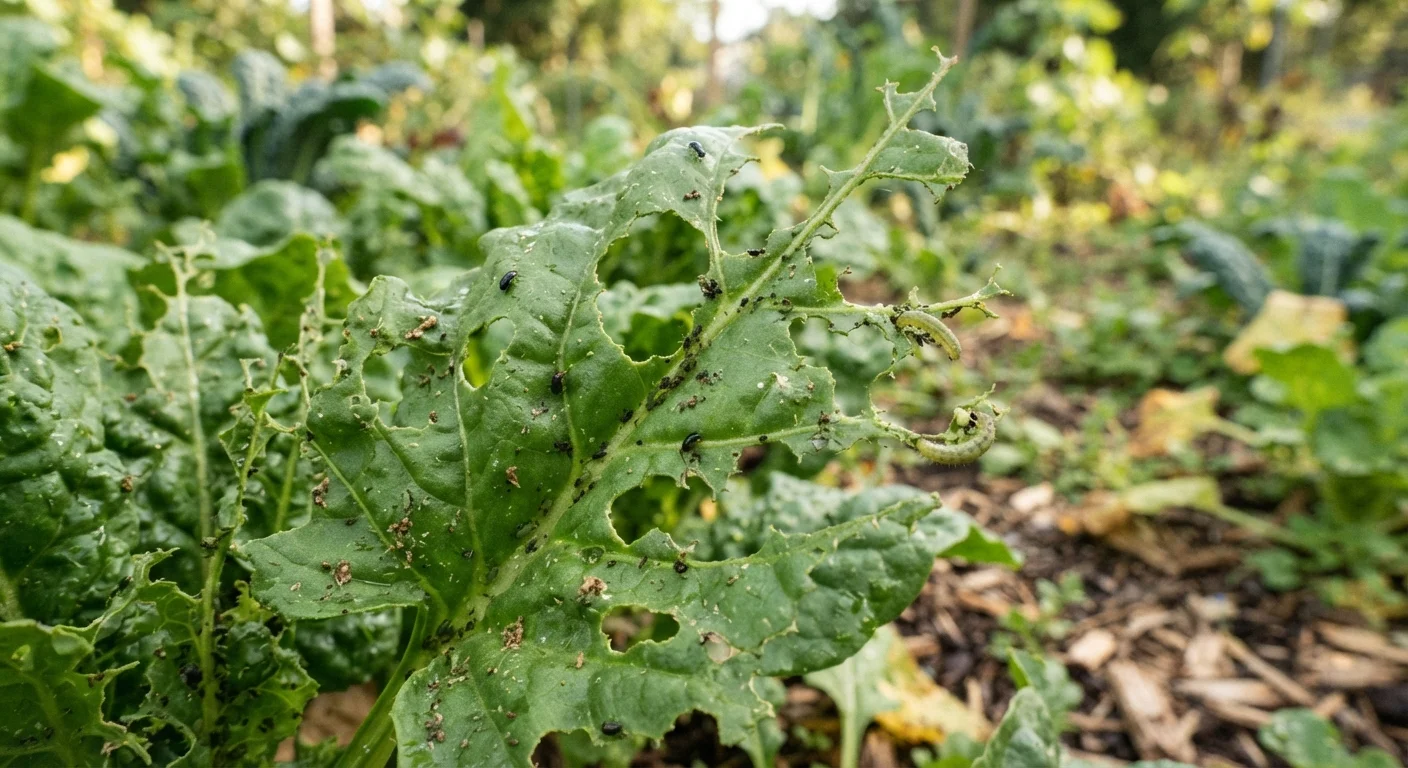
Photo credit: QuickInsights.net
In this article
Holes in leaves, wilting stems, chewed roots — learn to identify common garden pest damage and understand your management options.
Key Takeaways
- The pattern of damage - holes, wilting, sticky residue - often reveals the specific pest responsible.
- Many common garden pests can be managed without chemical intervention if caught early.
- Healthy soil and good plant spacing reduce pest vulnerability before problems start.
- A few pests in the garden are normal; intervention is warranted when damage threatens the plant.
Why Plant Damage Looks Different Depending on the Pest
When something is wrong with your garden plants, the damage itself is your first clue. A caterpillar doesn't feed the same way a sucking insect does, and a slug leaves a very different calling card than a burrowing grub. Learning to read these patterns - rather than reaching immediately for a spray bottle - puts you in a much stronger position to respond effectively.
Good pest management starts with healthy growing conditions. Well-structured, well-draining soil supports vigorous plants that can tolerate minor pest pressure without collapsing. Similarly, proper spacing allows air circulation that discourages many fungal problems that are often confused with pest damage. Before assuming insects are to blame, rule out watering issues, nutrient deficiencies, and disease - the symptoms can overlap.
Below are seven of the most common garden pests, what their damage looks like, and what you can reasonably do about each one.
Aphids
What the damage looks like: Curled, puckered, or yellowing leaves; sticky residue (called honeydew) on leaf surfaces; ants clustering on stems (they farm aphids for that honeydew). Look closely at the undersides of leaves and near new growth - aphids congregate in dense colonies.
What to do: A strong blast of water dislodges most aphid colonies. Insecticidal soap sprays are effective for heavier infestations and have a low impact on beneficial insects when applied carefully. Encouraging or purchasing ladybugs and lacewings - both natural aphid predators - supports biological control over time. Avoid over-fertilizing with nitrogen, which produces the soft new growth aphids prefer.
Aphid colonies on new growth are best addressed early, before populations explode.
Caterpillars and Moth Larvae
What the damage looks like: Large, irregular holes in leaves or whole leaves stripped to the midrib. You may also notice dark pellet-shaped frass (droppings) on leaves or the soil below. Some species, like tomato hornworms, are large and visible; others are small and hide in rolled leaves.
What to do: Hand-picking is effective for large caterpillars. For smaller species or widespread infestations, Bacillus thuringiensis (Bt) - a naturally occurring soil bacterium - is widely used and targets caterpillars without harming most beneficial insects. Row covers over young transplants prevent moth egg-laying before damage begins.
Bt sprays target caterpillars specifically, leaving most beneficial garden insects unharmed.
Slugs and Snails
What the damage looks like: Irregular holes in leaves, often with smooth edges, and a telltale silvery slime trail left behind. Damage is heaviest on seedlings and low-growing plants, and typically occurs overnight since slugs avoid daylight.
What to do: Reduce habitat by removing boards, dense groundcovers, and debris near affected plants. Allow soil surface to dry out between waterings - slugs need moisture to move. Iron phosphate-based slug baits are widely considered low-risk to wildlife and pets compared to older metaldehyde formulations, but read all product labels carefully and follow instructions. Copper tape around containers creates a mild deterrent.
Slugs thrive in moisture and debris - reducing both is your most effective first step.
Spider Mites
What the damage looks like: Fine stippling or bronzing across leaf surfaces, starting on the upper side. In severe cases, fine webbing appears between leaves and stems. Spider mites are nearly invisible to the naked eye - hold a white piece of paper under a suspect leaf and tap; moving specks indicate mites.
What to do: Spider mites thrive in hot, dry conditions. Increasing humidity and ensuring consistent watering can slow population growth. Water sprays help dislodge them. Insecticidal soap or neem oil (a pressed seed extract) are commonly used options. Avoid broad-spectrum insecticides, which kill the predatory mites that naturally keep spider mite populations in check.
Broad-spectrum sprays often make spider mite problems worse by killing their natural predators.
Whiteflies
What the damage looks like: Yellowing leaves, sticky honeydew on leaf surfaces, and a cloud of small white insects that scatter when you brush the plant. Like aphids, whiteflies are sap-suckers and tend to cluster on leaf undersides.
What to do: Yellow sticky traps placed near affected plants monitor and reduce adult populations. Insecticidal soap is effective against nymphs (immature stages), but adults are harder to contact-kill. Remove heavily infested leaves and dispose of them away from the garden. Reflective mulch around the base of susceptible plants can confuse and deter whitefly adults.
Yellow sticky traps help you monitor whitefly pressure and catch adults before eggs are laid.
Grubs and Root-Feeding Larvae
What the damage looks like: Wilting or yellowing plants that don't respond to watering, often with roots visibly chewed when you dig up the plant. Grubs (the larval stage of various beetles) feed underground, making them harder to detect than surface pests. Patches of dead lawn-grass can also signal grub activity below.
What to do: Dig around affected plants to confirm grub presence before treating. Beneficial nematodes - microscopic organisms applied in water - are a biological option that targets soil-dwelling larvae. They require moist soil and specific temperature conditions to be effective, so follow application guidance carefully. Encouraging birds to forage in garden beds also helps reduce grub populations naturally.
Wilting plants that don't revive with water should prompt a look below the soil surface.
Scale Insects
What the damage looks like: Brown, tan, or white bumps clinging to stems and branches - these waxy shells protect the insects feeding underneath. Affected plants show yellowing, stunted growth, and leaf drop. Scale is common on woody shrubs, fruit trees, and houseplants moved outdoors.
What to do: Small infestations can be scraped off with a soft toothbrush or cloth. Horticultural oil sprays - applied to thoroughly coat stems - smother scale by blocking their air holes and are generally considered safer for beneficial insects than systemic pesticides. Timing matters: treat when the fragile crawler stage (newly hatched, mobile juveniles) is active, typically in late spring to early summer depending on your region.
Horticultural oil is most effective against scale during the vulnerable crawler stage.
Building a Longer-Term Approach to Pest Resilience
No garden is entirely pest-free, and chasing that goal tends to do more harm than good - broad-spectrum pesticides eliminate beneficial insects alongside harmful ones, disrupting the natural predator-prey balance that keeps pest populations in check over time.
Start with Observation, Not Intervention
Before treating any pest problem, spend a few days watching your garden at different times of day, including evening when many pests are most active. Confirm what's causing the damage, assess how widespread it is, and consider whether the plant is otherwise healthy enough to recover on its own. Treating a problem you haven't accurately identified often wastes effort and can cause unintended harm to the garden ecosystem.
Instead, focus on practices that make your garden less hospitable to pests in the first place. Mulching garden beds discourages soil-dwelling pests, retains moisture that prevents plant stress, and creates habitat for ground beetles that prey on slugs and grubs. A thorough pre-season garden check - inspecting beds for overwintering eggs, removing debris, and amending soil - reduces the starting population of many common pests. And in fall, decisions about what to cut back versus leave standing affect which beneficial insects overwinter in your garden and return to help the following year.
Record-keeping also helps. Noting which plants were affected, when, and what intervention worked gives you a practical guide tailored to your specific garden conditions - far more useful than generic advice.

Author
Home & Garden Editorial Team
Home & Garden Editorial Team is the collective byline for our editorial team and contributor network. Articles published under this byline or an editorial pen name are researched, written, and reviewed according to our editorial standards for clarity, consistency, and independence before publication.
View all articles →