
The Case for Mulching Your Garden Beds
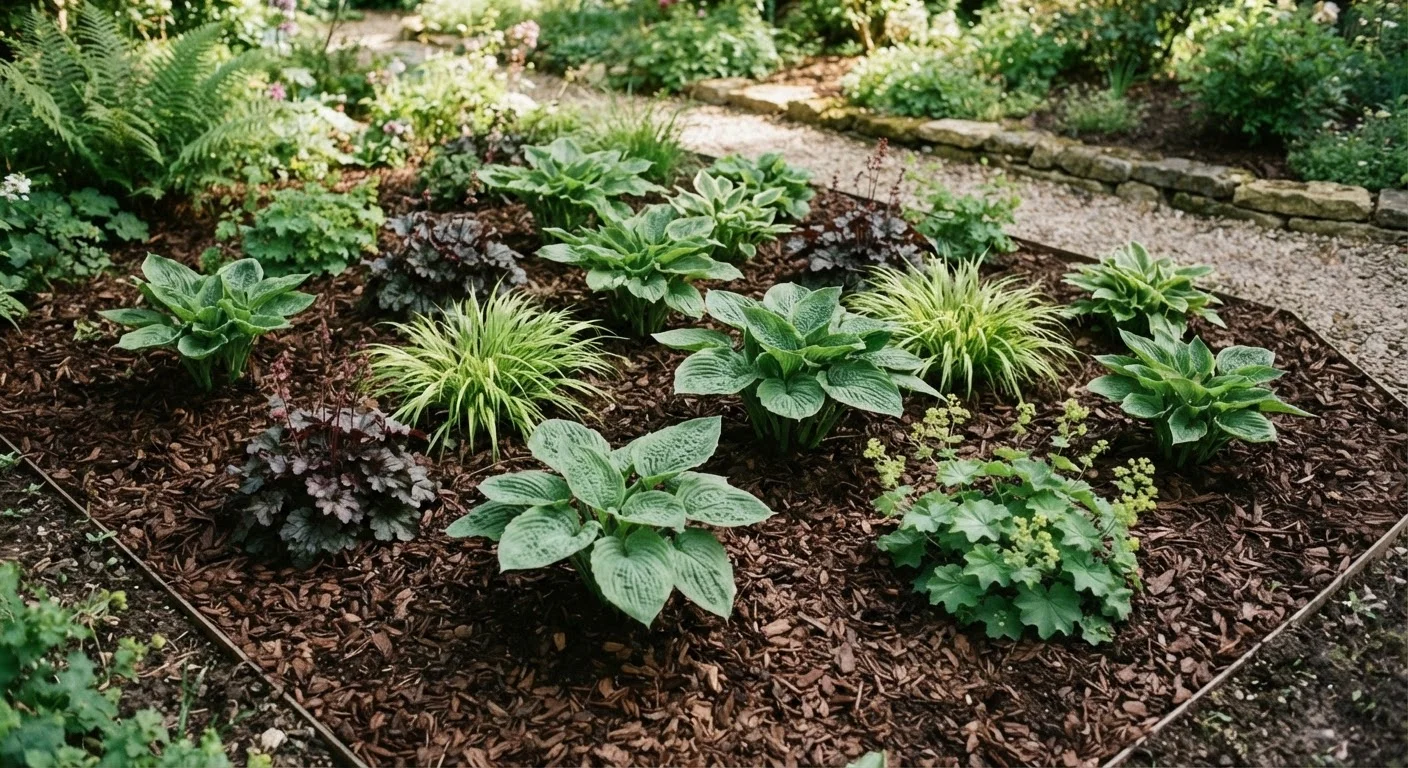
Photo credit: QuickInsights.net
In this article
Mulch retains moisture, suppresses weeds, and moderates soil temperature — but it can also cause problems if applied incorrectly.
Key Takeaways
- Mulch reduces watering frequency by slowing moisture evaporation from the soil surface.
- A 2-3 inch layer is the general sweet spot - too thick creates problems for plants.
- Organic mulches break down over time and add nutrients back into the soil.
- Piling mulch directly against plant stems can promote rot and pest damage.
- Different mulch types suit different garden goals, from aesthetics to weed suppression.
Retains soil moisture between waterings
A mulched bed can reduce water loss through evaporation significantly, meaning less frequent irrigation and lower water use - particularly helpful during dry summer months.
Suppresses weed germination effectively
Blocking light from reaching the soil surface prevents most weed seeds from sprouting. Fewer weeds means less time pulling them and more energy going to your intended plants.
Moderates soil temperature extremes
Mulch acts as an insulating layer, keeping roots cooler in summer heat and protecting them from hard freezes in winter - reducing plant stress across seasons.
Improves soil structure over time
Organic mulches break down into organic matter, feeding soil microbes and earthworms that improve aeration, drainage, and nutrient availability naturally.
Reduces soil erosion and compaction
The mulch layer absorbs the impact of heavy rain, preventing it from dislodging soil particles or compacting the surface - which helps roots breathe and water to infiltrate properly.
Too-thick layers suffocate plant roots
Mulch deeper than 4 inches can restrict oxygen flow to roots and prevent rainfall from penetrating the soil, leading to stressed or waterlogged plants.
Can harbor slugs, pests, and rodents
Damp, sheltered mulch is attractive habitat for slugs, voles, and other pests. Keeping mulch pulled back from plant stems reduces this risk considerably.
Volcano mulching harms trees and shrubs
Piling mulch against trunks - a widespread but damaging practice - traps moisture against bark, promotes fungal rot, and can slowly kill established trees and woody shrubs.
Some types may alter soil pH
Pine needle mulch, for example, is mildly acidic and can shift soil pH over time. This suits acid-loving plants like azaleas but may need monitoring in other beds.
Organic mulch requires regular replenishment
Because organic mulches break down, they need topping up each growing season - adding a recurring time and materials cost compared to inorganic alternatives.
What Mulch Actually Does
Mulch is any material - organic or inorganic - spread over the surface of garden soil to protect it and the plants growing in it. Wood chips, shredded bark, straw, pine needles, and compost are among the most common organic options. Gravel, landscape fabric, and rubber are inorganic alternatives.
Organic mulches do double duty: they protect soil in the short term and decompose over time, gradually improving soil structure and feeding beneficial organisms. If you're still getting familiar with what makes garden soil tick, our guide to soil basics covers the foundation.
Understanding how mulch works helps you choose the right type and apply it effectively - rather than just copying what you see in a neighbor's yard.
The Advantages of Mulching
There's a reason experienced gardeners rarely leave soil bare. Mulch delivers several compounding benefits that reduce workload and support plant health simultaneously.
Retains soil moisture between waterings
A mulched bed can reduce water loss through evaporation significantly, meaning less frequent irrigation and lower water use - particularly helpful during dry summer months.
Suppresses weed germination effectively
Blocking light from reaching the soil surface prevents most weed seeds from sprouting. Fewer weeds means less time pulling them and more energy going to your intended plants.
Moderates soil temperature extremes
Mulch acts as an insulating layer, keeping roots cooler in summer heat and protecting them from hard freezes in winter - reducing plant stress across seasons.
Improves soil structure over time
Organic mulches break down into organic matter, feeding soil microbes and earthworms that improve aeration, drainage, and nutrient availability naturally.
Reduces soil erosion and compaction
The mulch layer absorbs the impact of heavy rain, preventing it from dislodging soil particles or compacting the surface - which helps roots breathe and water to infiltrate properly.
25-50%
Potential reduction in soil moisture loss
University cooperative extension programs generally estimate that mulched beds can reduce evaporation by this range compared to bare soil, depending on mulch type and depth.
2-3 inches
Recommended mulch depth for most beds
This range is consistently cited by horticultural extension services as sufficient to suppress weeds and retain moisture without restricting root oxygen.
Beyond moisture and weeds, mulch acts as insulation. In summer it keeps roots cooler; in winter it buffers against freeze-thaw cycles that heave soil and stress shallow-rooted plants. It also reduces soil compaction from heavy rain and helps prevent erosion on sloped beds. For gardeners building a low-effort outdoor space, mulch is a practical foundation - as outlined in our piece on designing easy-to-maintain outdoor spaces.
The Downsides to Watch For
Mulch isn't entirely without risk, and a few common mistakes turn a helpful layer into a harmful one.
Too-thick layers suffocate plant roots
Mulch deeper than 4 inches can restrict oxygen flow to roots and prevent rainfall from penetrating the soil, leading to stressed or waterlogged plants.
Can harbor slugs, pests, and rodents
Damp, sheltered mulch is attractive habitat for slugs, voles, and other pests. Keeping mulch pulled back from plant stems reduces this risk considerably.
Volcano mulching harms trees and shrubs
Piling mulch against trunks - a widespread but damaging practice - traps moisture against bark, promotes fungal rot, and can slowly kill established trees and woody shrubs.
Some types may alter soil pH
Pine needle mulch, for example, is mildly acidic and can shift soil pH over time. This suits acid-loving plants like azaleas but may need monitoring in other beds.
Organic mulch requires regular replenishment
Because organic mulches break down, they need topping up each growing season - adding a recurring time and materials cost compared to inorganic alternatives.
Some of these pitfalls are surprisingly widespread. Our article on common garden myths touches on how well-meaning habits - like volcano mulching around tree trunks - can damage plants over time rather than help them.
How to Apply Mulch Correctly
The difference between beneficial and harmful mulching usually comes down to depth and placement.
- Depth: Aim for 2-3 inches. Less than 1 inch won't suppress weeds or retain moisture effectively. More than 4 inches can prevent rainfall from reaching roots and create anaerobic (oxygen-deprived) conditions.
- Placement: Keep mulch 2-3 inches away from plant stems and tree trunks. Direct contact traps moisture against bark and creates entry points for rot and pests.
- Timing: Mulching in spring, after soil has warmed, gives the best results. Fall mulching helps insulate roots going into winter - see our fall garden cleanup guide for seasonal timing tips.
- Refresh annually: Organic mulches break down. Top up each season to maintain effective depth without removing old material, which is already improving your soil.
Choosing Organic vs. Inorganic Mulch
Organic mulches (wood chips, straw, shredded leaves) break down and improve soil but need annual replenishment. Inorganic options like gravel or landscape fabric last longer but don't contribute to soil health. For most home garden beds, organic mulch is the more practical and soil-friendly choice. Match the mulch type to the plants and aesthetic of each specific bed rather than using one material throughout.
Pairing mulch with quality compost is one of the most effective combinations in the garden. If you're not already composting, our home composting guide is a practical starting point.

Author
Home & Garden Editorial Team
Home & Garden Editorial Team is the collective byline for our editorial team and contributor network. Articles published under this byline or an editorial pen name are researched, written, and reviewed according to our editorial standards for clarity, consistency, and independence before publication.
View all articles →