
Fall Garden Cleanup: What to Cut Back, What to Leave Standing
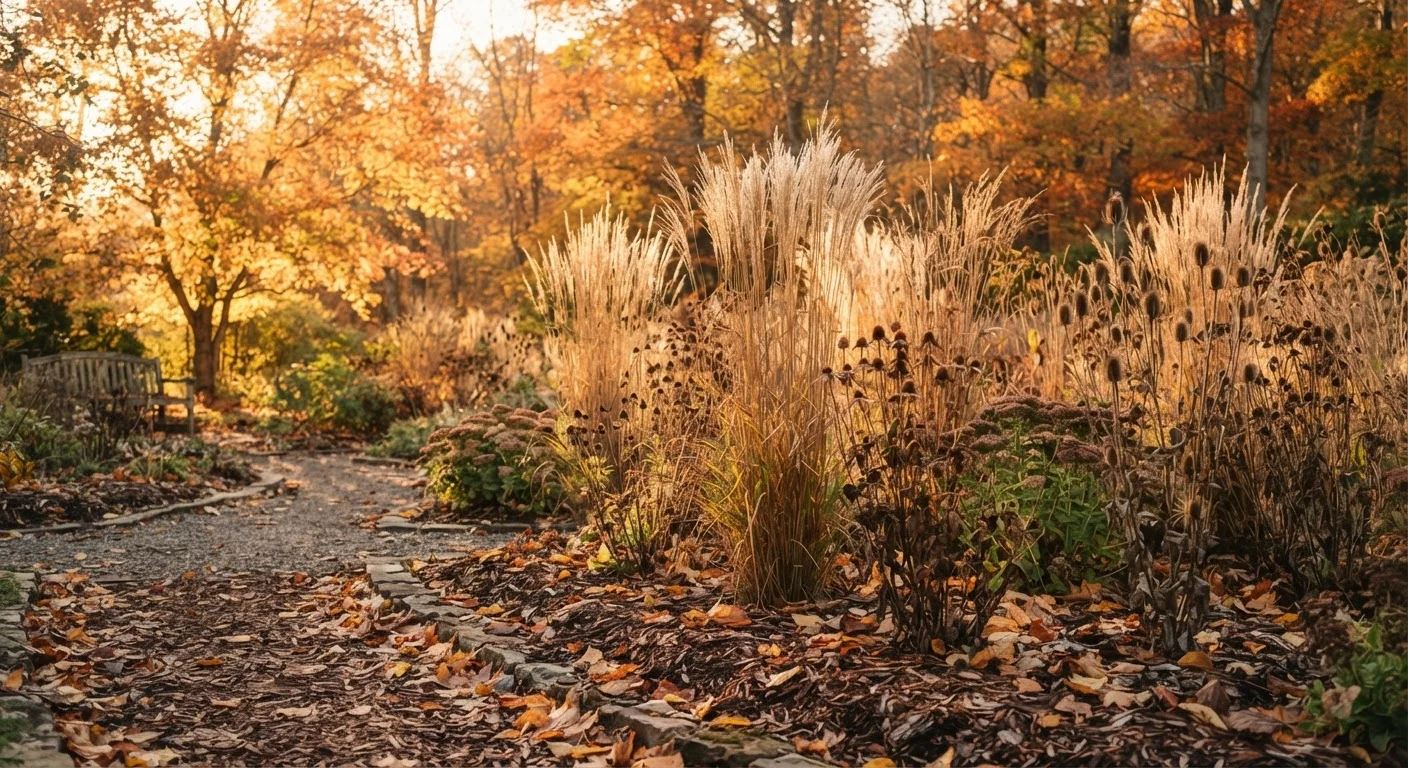
Photo credit: QuickInsights.net
In this article
Not everything in the garden should be cleared before winter. Learn which plants benefit from being left standing and why timing matters.
Key Takeaways
- Leaving seed heads and hollow stems standing provides critical winter habitat for birds and beneficial insects.
- Cut back plants showing signs of disease or pest damage before winter to reduce next season's problems.
- Ornamental grasses and coneflowers are among the plants that benefit most from being left until spring.
- Timing your cleanup after hard frost gives tender plants the best chance of surviving cold snaps.
- Applying mulch after cleanup helps protect root systems through freeze-thaw cycles.
Why Fall Cleanup Isn't One-Size-Fits-All
The instinct to tidy every corner of the garden before winter is understandable - but cutting everything back isn't always the right call. The standing skeletons of perennials, grasses, and wildflowers aren't just aesthetic; they're functional. Hollow stems shelter native solitary bees through cold months, and seed heads feed goldfinches, chickadees, and sparrows when little else is available. A thoughtful, selective approach to fall cleanup pays dividends both for your garden's ecosystem and for your workload come spring.
The general rule is to remove what could harbor disease or pests over winter, and leave what provides structure, habitat, or winter interest. What that means for your specific beds depends on the plants you're growing, your local climate, and how hard your winters get.
If you're looking to design a garden that makes seasonal maintenance even simpler, see our guide to easy-care outdoor spaces for plant selection and layout strategies that work year-round.
Think of Your Garden as a Habitat
Shifting your mindset from "tidy" to "functional" makes fall decisions easier. A garden that retains some structure through winter actively supports native bee populations and migratory birds. Even a small patch of standing perennials in a corner of your yard can make a measurable difference for local wildlife.
What to Leave Standing
Several common garden plants actively benefit from being left in place through winter:
- Ornamental grasses - Clumps like switchgrass and feather reed grass provide structure, catch snow beautifully, and shelter ground-dwelling insects. Cut them back in late winter or early spring, just before new growth emerges.
- Coneflowers (Echinacea) and black-eyed Susans - Their seed heads are a reliable food source for seed-eating birds. Leave them standing until late February or March.
- Sedums and other late-blooming perennials - The dried flower clusters hold up well in winter and provide visual interest in an otherwise dormant bed.
- Hollow-stemmed plants like Joe-Pye weed and ironweed - Native bees, including mason bees and small carpenter bees, overwinter inside hollow stems. Cutting these in fall removes the next season's pollinators before they can emerge.
As a practical habit, mark any plants you intentionally leave standing so family members or hired help don't remove them by mistake during winter cleanups.
What to Cut Back Before Winter
Other plants - and certain garden situations - genuinely benefit from fall pruning or removal:
- Diseased or pest-damaged foliage - Stems and leaves showing signs of fungal disease, mildew, or pest damage (such as leaf miners or aphid colonies) should be removed and disposed of - not composted. Leaving infected material in place can allow pathogens to overwinter and re-infect plants next spring. For help identifying pest damage, our pest identification guide explains the most common culprits.
- Annual vegetables and spent annuals - Once frost kills off tomatoes, peppers, squash, and annual flowers, clear them out. They don't offer the same ecological value as perennials, and leaving rotting plant matter can invite fungal problems.
- Hostas and other slug-prone plants - Hosta foliage collapses to mush after frost and can create a moist hiding place for slugs to overwinter. Remove it once it's died back completely.
- Iris fans - Cut back bearded iris leaves to about 4-6 inches in fall to reduce the risk of iris borer overwintering in the foliage.
Don't Compost Diseased Plant Material
Home compost piles typically don't reach temperatures high enough to reliably kill fungal spores or certain pest eggs. Any material cut from diseased plants should go into the trash or municipal yard waste - not your backyard compost bin. Returning diseased material to the garden via compost can amplify the same problems next season.
Step-by-Step: How to Do a Selective Fall Cleanup
What you will need
Walk the garden and assess each plant
Before cutting anything, do a slow walk-through of your beds. Note which plants show signs of disease (spots, mildew, discoloration), which are annuals or vegetables past their productive life, and which perennials you want to leave for wildlife value. A simple system - like a small flag or garden marker on plants to leave standing - saves confusion later.
Wait for a reliable hard frost
Timing matters. Many gardeners begin cleanup too early, cutting back plants before they've fully hardened off or finished moving energy into their root systems. Wait until you've had at least one or two hard frosts (28°F or below for several hours). For most of the continental U.S., this falls between late October and mid-November, depending on your climate zone.
Remove diseased and pest-damaged material first
Start with any plant material showing obvious signs of disease or heavy pest infestation. Cut stems down to the ground, bag the debris, and dispose of it with household waste rather than composting. This prevents pathogens and pest eggs from surviving in your compost pile and returning to the garden next year.
Clear spent annuals and vegetable beds
Pull out frost-killed annuals and vegetable plants by the roots. Shake excess soil back into the bed, and remove the plant material. If the plants were healthy, they can go into your compost pile. Once cleared, this is a good time to amend vegetable beds with compost so it can begin working into the soil over winter.
Cut back plants that benefit from fall pruning
Trim back hostas, iris fans, and any other perennials on your "cut back" list. For iris, cut the fan-shaped leaves down to about 4-6 inches above the rhizome. For hostas, wait until the leaves are fully collapsed and mushy, then remove them at the base. For most other perennials you're choosing to cut back, reduce stems to 3-4 inches above soil level.
Leave designated plants standing and mulch beds
Confirm that your ornamental grasses, coneflowers, seed-bearing perennials, and hollow-stemmed natives are clearly left in place. Then spread a 2-3 inch layer of mulch over your perennial beds, keeping it pulled a few inches back from plant crowns to prevent rot. This insulates roots and moderates the soil temperature through winter without smothering the plant base.
Once you've finished pruning and clearing, apply a 2-3 inch layer of mulch over bare soil in your perennial beds to insulate roots through freeze-thaw cycles. Our guide to mulching garden beds covers the right materials and common mistakes to avoid. Your fall work now sets the stage for a smoother spring - check our spring garden readiness checklist when the time comes.

Author
Home & Garden Editorial Team
Home & Garden Editorial Team is the collective byline for our editorial team and contributor network. Articles published under this byline or an editorial pen name are researched, written, and reviewed according to our editorial standards for clarity, consistency, and independence before publication.
View all articles →