
Spring Garden Readiness: A Pre-Season Checklist
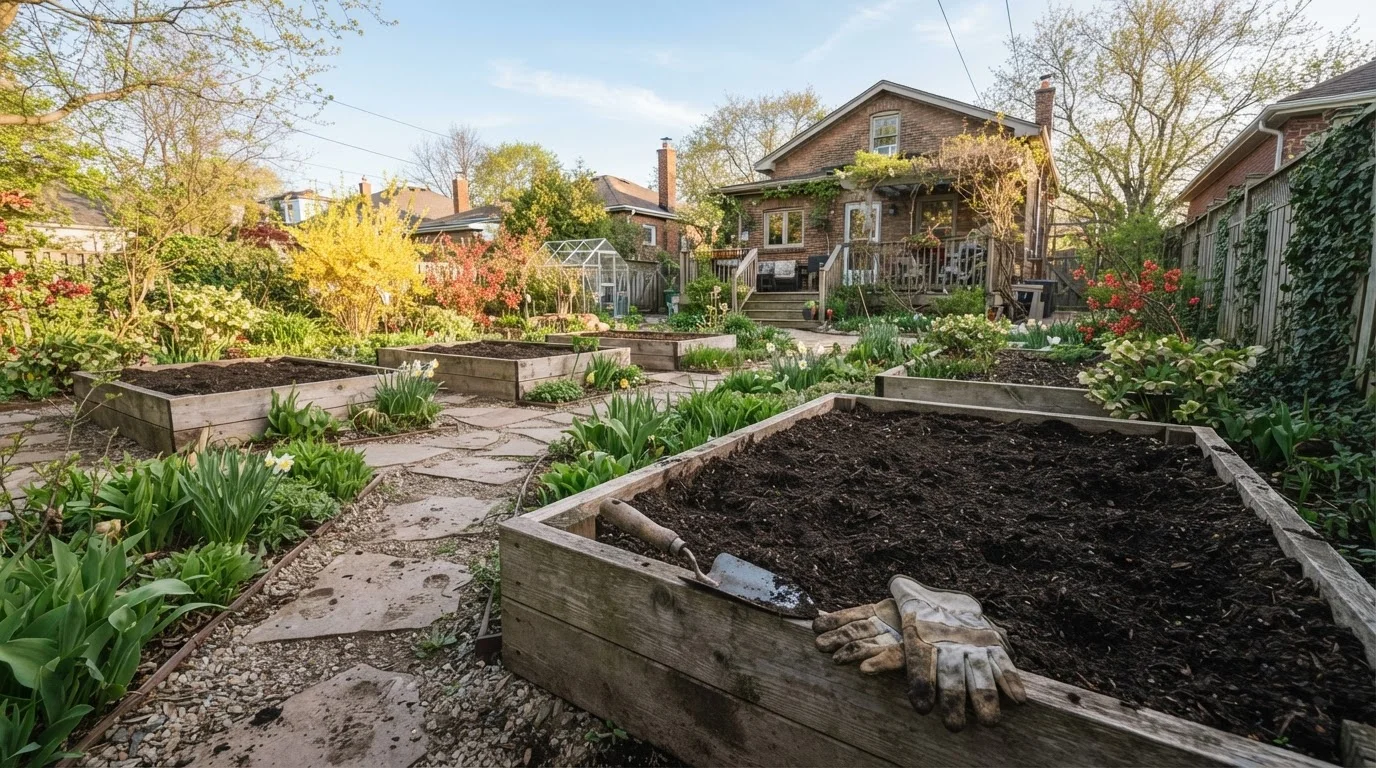
Photo credit: QuickInsights.net
In this article
Before you plant a single seed, run through this checklist to get your soil, tools, beds, and irrigation ready for the growing season.
Key Takeaways
- Test and amend your soil before planting - nutrient deficiencies are easier to fix early than mid-season.
- Clean and sharpen tools now to prevent spreading disease and make every task easier.
- Inspect irrigation and hoses before the season starts so leaks don't surprise you in summer heat.
- Clear winter debris from beds to reduce overwintering pests and disease pressure.
- Know your last frost date before sowing seeds or setting out transplants outdoors.
Why Pre-Season Prep Matters
The most productive gardens aren't accidental - they're prepared. Taking an hour or two in early spring to audit your soil, equipment, and beds pays dividends for months. Problems spotted before planting are almost always cheaper and easier to fix than those discovered mid-season when plants are already stressed.
This checklist walks you through every major preparation area in a logical sequence, so you can work through it in one session or break it into weekend tasks. If you're planning to grow food for the first time, also see our guide on starting a vegetable garden from scratch - it picks up right where this checklist leaves off.
And if low-maintenance outdoor living is a goal, designing an outdoor space that's easy to maintain year-round offers layout and plant-selection strategies worth reading before you commit to a new design.
Soil test kit
Measures pH and key nutrient levels so you know exactly what amendments your soil needs before planting.
Garden fork or broadfork
Loosens compacted soil and works amendments into beds without fully turning and disrupting soil structure.
File or whetstone
Sharpens bladed tools like hoes and spade edges so they cut cleanly through soil and plant material.
Pruning shears
Cuts back dead stems, shapes shrubs, and cleans up perennial beds as part of spring clearing.
Compost or aged manure
Adds organic matter and nutrients to improve soil texture, drainage, and microbial activity.
Drip irrigation repair kit
Contains replacement emitters, connectors, and tubing patches for fixing drip lines found to be cracked or clogged.
Planting calendar or garden journal
Helps you track frost dates, sowing schedules, and planting decisions so nothing is left to memory.
Working Through the Checklist
Move through the groups below in order - soil and beds first, then tools, irrigation, and planting planning. Check off items as you go. Not every task applies to every garden, so skip any that don't fit your setup and focus on the ones that do.
Soil & Beds
Tools & Equipment
Irrigation & Water Access
Planting Planning
Don't Rush Soil Workability
Working soil while it's still waterlogged from snow melt or heavy spring rain can compact the structure and damage earthworm populations that are critical to healthy beds. Do a simple squeeze test: grab a handful of soil and press it into a ball - if it crumbles apart when you poke it, it's ready to work. If it holds together in a muddy clump, wait a few more days and test again.
Once you've worked through this list, keep an eye on emerging pest activity as the season progresses. Our article on identifying and managing common garden pests can help you respond quickly when damage appears. And if you're starting seedlings indoors to transplant later, review the common causes covered in why seedlings die after transplant before moving plants outside.
Container gardeners working with limited space should also explore container gardening on patios and balconies for setup and watering guidance specific to pots.
Frost Date Awareness Is Non-Negotiable
Planting tender crops or transplants before your area's reliable last frost date can result in complete crop loss overnight. Frost dates are averages, not guarantees, meaning a late frost can still occur after the typical date. Always be prepared to cover vulnerable plants with row cover or bring containers indoors if a cold night is in the forecast.

Author
Home & Garden Editorial Team
Home & Garden Editorial Team is the collective byline for our editorial team and contributor network. Articles published under this byline or an editorial pen name are researched, written, and reviewed according to our editorial standards for clarity, consistency, and independence before publication.
View all articles →