
Starting a Vegetable Garden from Scratch
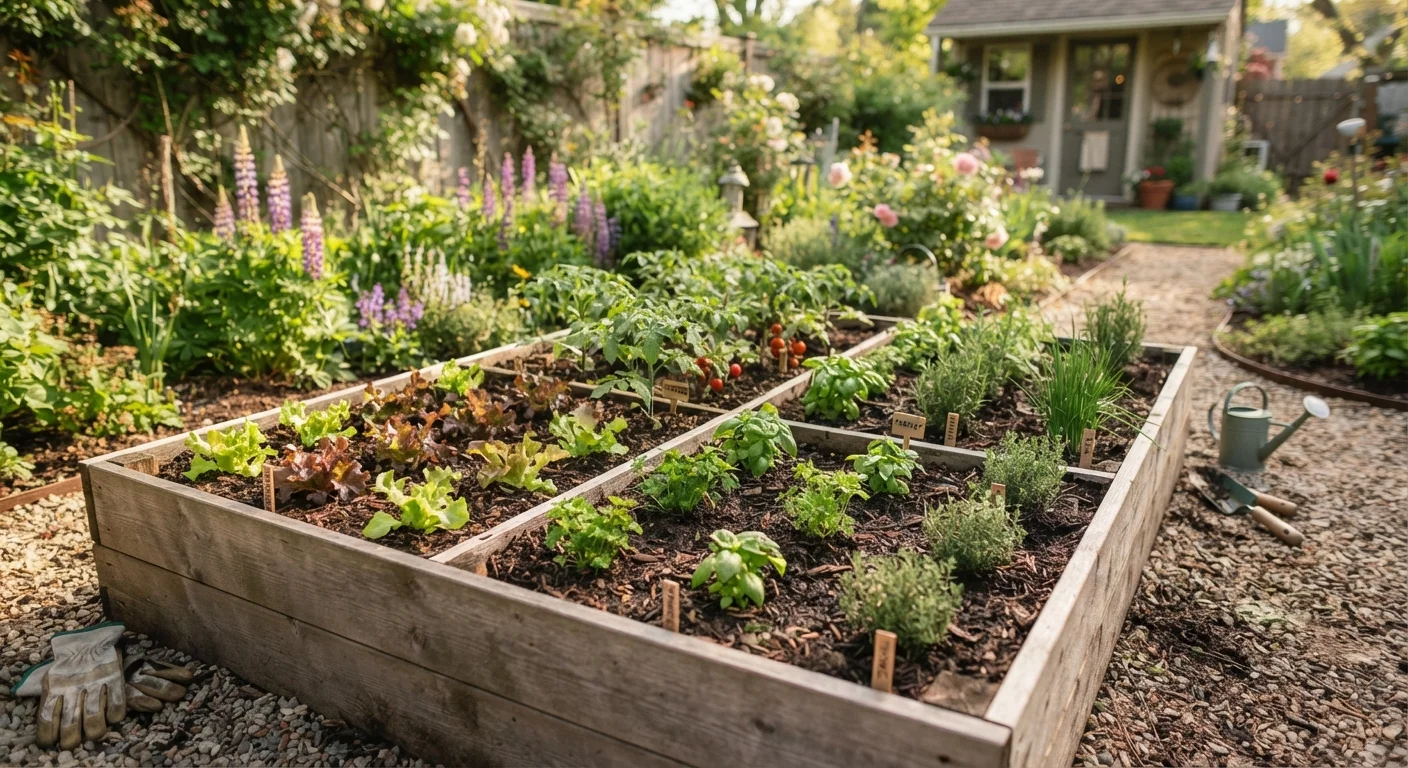
Photo credit: QuickInsights.net
In this article
A step-by-step walkthrough for planning, preparing, and planting your first vegetable garden, even with limited space or experience.
Key Takeaways
- Most vegetables need at least six hours of direct sunlight daily to produce well.
- Starting small - even a 4×4 foot bed - makes the first season manageable and educational.
- Healthy, well-amended soil is the single biggest factor in vegetable garden success.
- Easy-to-grow crops like lettuce, radishes, and bush beans are ideal for first-time gardeners.
- Consistent watering and early pest monitoring prevent most common beginner problems.
Choosing the Right Location
Before you buy a single seed, spend a few days observing your outdoor space. The most important factor for vegetable gardening success is sunlight - most edible crops require a minimum of six hours of direct sun each day, and eight or more is better for fruiting plants like tomatoes and peppers.
Walk your yard or patio at different times of day and note which areas stay sunny. Avoid low spots where water pools after rain, and stay clear of large tree roots that compete for moisture and nutrients. Good air circulation also helps reduce fungal diseases, so a spot that isn't hemmed in on all sides is preferable.
Start small, grow with confidence
A 4×4 foot raised bed or even four to six containers is a completely valid first garden. Smaller plots are easier to water, weed, and monitor - and a successful small harvest is far more motivating than a struggling large one. You can always expand in subsequent seasons.
If your only outdoor space is a balcony or patio, don't count yourself out. Our guide to container gardening on patios and balconies walks through how to grow vegetables productively even without ground soil.
Planning Your Garden Layout
Resist the urge to plant everything at once. A 4×4 or 4×8 foot plot is an ideal starting size - large enough to grow a variety of crops, small enough to manage without feeling overwhelmed. Sketch your layout on paper before you dig.
Think vertically as well as horizontally. Tall plants like indeterminate tomatoes or pole beans belong on the north side of the bed so they don't shade shorter crops. Group plants with similar water and sun needs together to simplify your care routine.
As you plan, it's worth learning which crops support each other. Some vegetables actively improve each other's growth, while others compete or inhibit. Our article on companion planting explains the key pairings and the reasoning behind them - a useful read before you finalize placement.
Direct seeding
Planting seeds directly into garden soil outdoors, rather than starting them indoors first. Works best for crops that dislike having their roots disturbed.
Transplanting
Moving a seedling grown indoors or in a nursery into its permanent outdoor garden spot. Common for tomatoes, peppers, and other slow-maturing crops.
pH (soil)
A measure of how acidic or alkaline your soil is on a scale of 0 to 14. Most vegetables grow best when soil pH falls between 6.0 and 7.0.
Compost
Decomposed organic matter - plant trimmings, food scraps, leaves - that improves soil structure, drainage, and nutrient content when mixed into garden beds.
Mulch
A layer of material (straw, wood chips, shredded leaves) spread over soil to retain moisture, regulate temperature, and reduce weed growth.
Frost date
The average date of the last spring frost in your area, used to time when it's safe to plant cold-sensitive crops outdoors.
Preparing the Soil
Soil preparation is where most beginners underinvest - and where the difference between a struggling garden and a thriving one is made. Vegetables are heavy feeders that need loose, well-draining, nutrient-rich soil to perform well.
Start by testing your soil's pH if possible; most vegetables prefer a slightly acidic to neutral range of 6.0-7.0. Home soil test kits are widely available and give you a baseline. Then work in generous amounts of compost - a 2- to 3-inch layer mixed into the top 8 to 12 inches of soil makes a meaningful difference in both drainage and fertility.
For raised beds, you can build your soil mix from scratch using a blend of topsoil, compost, and an aerating component like perlite or coarse sand. Avoid using soil dug directly from your yard in a raised bed - it tends to compact and drain poorly when contained.
Raised Beds vs. In-Ground Planting
Neither approach is universally better - both can produce excellent vegetables. Raised beds offer more control over soil quality and drain better in wet climates, while in-ground beds are lower cost to establish and retain moisture better in dry conditions. Your site's drainage, soil quality, and budget are the deciding factors.
Selecting and Planting Vegetables
Choose crops you actually want to eat, then narrow that list to varieties well-suited to your climate and the current season. Warm-season vegetables - tomatoes, cucumbers, squash, peppers - need consistently warm soil and air temperatures. Cool-season crops - lettuce, spinach, radishes, peas - prefer milder conditions and can handle light frost.
Some vegetables grow best when direct-seeded into the garden (carrots, beans, beets), while others benefit from being started indoors several weeks before transplanting (tomatoes, peppers, eggplant). Seed packets contain specific planting depth, spacing, and timing information - read them carefully before planting.
When transplanting seedlings, handle roots gently and water them in well immediately after planting. A light layer of mulch around each plant helps retain soil moisture and suppress weeds from day one.
Watering, Feeding, and Ongoing Care
Consistency is the watchword for vegetable garden maintenance. Most vegetables do best with about one inch of water per week. Water at soil level rather than overhead when possible - wet foliage invites fungal problems. Early morning is the best time to water, giving any surface moisture a chance to evaporate during the day.
Vegetables in actively growing soil with plenty of compost may need limited supplemental feeding. If plants show pale or stunted growth, a balanced, slow-release fertilizer worked into the soil surface can help. Avoid over-fertilizing with nitrogen, which encourages leafy growth at the expense of fruit production.
Check your plants at least two to three times a week. Early detection of pests - aphids, caterpillars, fungal spots - makes control much easier. Remove damaged leaves, pick off visible pests by hand, and keep the bed free of debris where insects and disease can overwinter. Gardening rewards attentiveness more than any single product or technique.
Frequently Asked Questions

Author
Home & Garden Editorial Team
Home & Garden Editorial Team is the collective byline for our editorial team and contributor network. Articles published under this byline or an editorial pen name are researched, written, and reviewed according to our editorial standards for clarity, consistency, and independence before publication.
View all articles →