
Container Gardening on Patios and Balconies
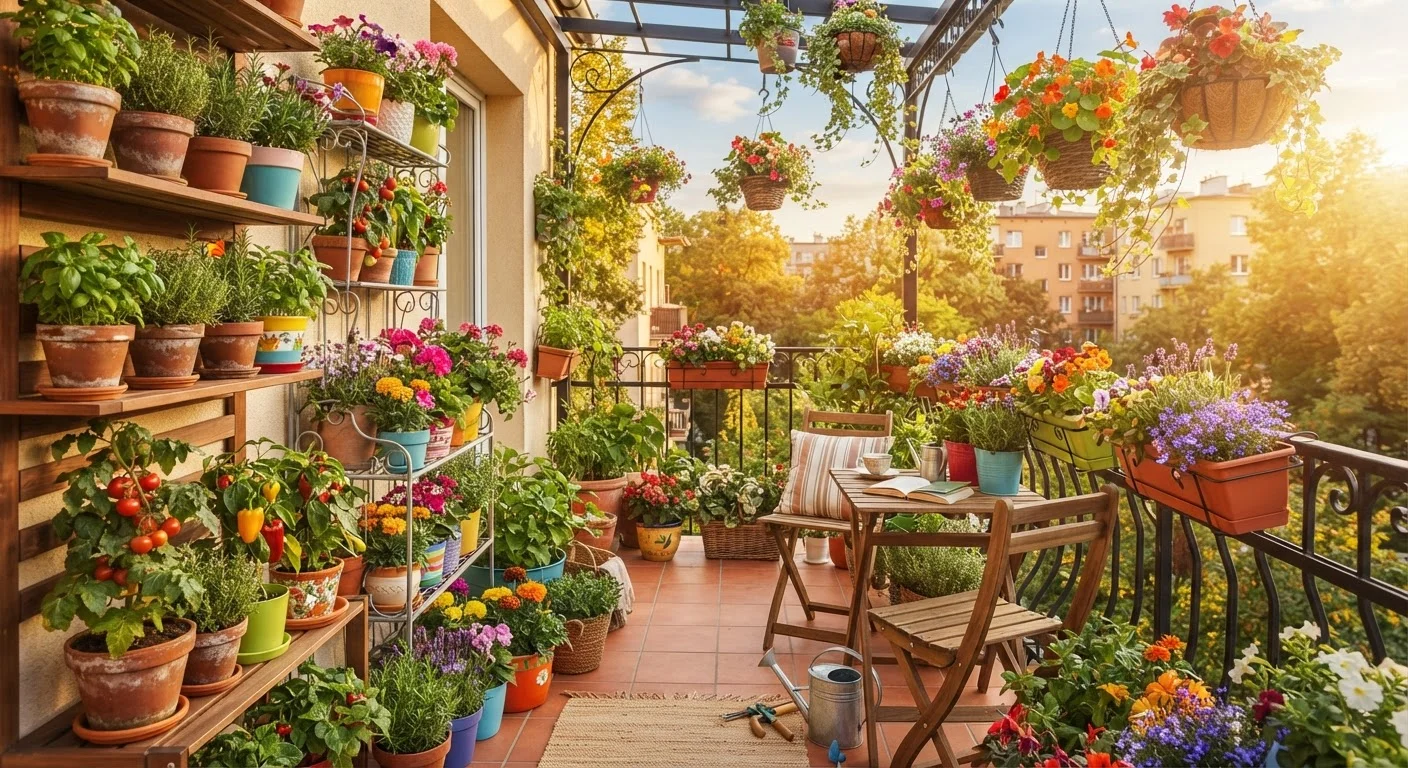
Photo credit: QuickInsights.net
In this article
Limited outdoor space doesn't mean limited growing potential. Explore how container gardening works, from pot selection to watering routines.
Key Takeaways
- Container size and drainage holes are the two most important factors when selecting pots.
- Potting mix - not garden soil - is essential for healthy container plants.
- Containers dry out faster than ground soil, so consistent watering is critical.
- Herbs, leafy greens, and compact vegetables are ideal choices for balcony growers.
- Mixing annuals and perennials in containers gives you seasonal color with multi-year value.
Why Container Gardening Works for Small Spaces
A patio or balcony - even one just a few feet wide - can support a thriving garden. Container gardening removes the two biggest barriers most beginners face: limited land and uncertain soil quality. When plants grow in pots, you control every variable that matters: the soil composition, drainage, sun exposure, and even the plants' location, since containers can be moved.
This flexibility is a genuine advantage. You can shift sun-loving herbs toward brighter spots as the season changes, bring frost-sensitive plants indoors in autumn, and completely rearrange your layout year to year without breaking ground. For renters especially, containers mean you can garden without altering a landlord's property.
If you're also thinking about broader outdoor improvements, our guide to designing an easy-to-maintain outdoor space can help you plan a setup that stays manageable season after season.
Choosing the Right Containers
Not every pot is created equal. Size is the most consequential decision: too small and roots become cramped, leading to stunted growth and faster drying; too large and soil stays waterlogged, which can suffocate roots. As a general guide, most herbs and small flowers do well in pots 6-8 inches in diameter, while tomatoes, peppers, and larger ornamentals need at least 12-16 inches.
Drainage holes are non-negotiable. Without them, water pools at the bottom and roots rot. If you fall in love with a decorative pot that lacks drainage, use it as an outer sleeve and place a properly draining nursery pot inside.
Material matters too. Terracotta is breathable and classic, but dries out quickly - good for Mediterranean herbs, less ideal in hot climates where you'd struggle to keep up with watering. Plastic and resin retain moisture longer and are lightweight, making them practical for balconies with weight restrictions. Fabric grow bags offer excellent aeration and are surprisingly durable.
Choose containers with drainage holes first, then consider aesthetics - no amount of styling saves a plant sitting in waterlogged soil.
Root rot from inadequate drainage is the single most preventable cause of container plant failure, yet it's frequently overlooked by beginners drawn to decorative pots.
When in doubt about watering, wait one more day - most container plants tolerate mild drought stress better than consistently wet roots.
Overwatering is statistically more common than underwatering among beginner gardeners, and soggy soil creates conditions for fungal disease and root rot.
For balcony gardeners specifically, check your building's weight limits before loading up. A large ceramic pot filled with wet soil can weigh well over 50 pounds.
Soil, Drainage, and Fertilizing Basics
Garden soil pulled from a yard or flower bed is not appropriate for containers. It compacts heavily in pots, restricts root growth, and often introduces pests or disease. Instead, use a quality potting mix - these are formulated to stay loose, drain well, and support root health in the confined environment of a container.
Many potting mixes include a slow-release fertilizer at the start, but container plants are heavy feeders over time because nutrients wash out with every watering. Plan to supplement with a balanced liquid fertilizer every two to four weeks during the active growing season. If you're interested in a more sustainable approach, our article on composting at home explains how finished compost can be mixed into potting soil to add organic matter and gentle nutrition.
Adding a layer of gravel or broken pottery shards at the pot's base used to be standard advice, but current horticultural thinking suggests this can actually impede drainage rather than help it. A well-draining potting mix alone is sufficient for most containers.
Avoid Using Garden Soil in Containers
Garden soil compacts tightly in pots, cutting off the air and drainage that container roots depend on. It can also introduce soil-borne diseases and pests into the confined environment of a pot, where they spread quickly. Always use a formulated potting mix - it's a small cost that makes a substantial difference in plant health.
What to Grow: Plants That Thrive in Containers
The good news: a wide variety of edible and ornamental plants adapt well to container life. For edibles, herbs are the classic starting point - basil, chives, mint, parsley, and thyme all perform reliably in pots. Compact vegetable varieties labeled "bush" or "patio" are bred specifically for small-space growing. Cherry tomatoes, bush beans, lettuce, spinach, and peppers are consistent performers.
For ornamentals, petunias, geraniums, and marigolds provide reliable season-long color. Ornamental grasses and small shrubs can anchor a container arrangement and provide structure. If you want plants that return each year, our guide to annual vs. perennial plants walks through how to blend both types for a low-maintenance, multi-season container display.
A practical pairing principle: combine plants with similar sunlight and water needs in the same pot. Mixing drought-tolerant succulents with moisture-loving impatiens will leave one or both struggling.
Watering Routines That Keep Plants Healthy
Overwatering and underwatering are the two most common reasons container plants fail - and both stem from watering on a fixed schedule rather than responding to the plant's actual needs. The most reliable method is the finger test: push your finger about an inch into the soil. If it feels dry at that depth, water thoroughly until it drains from the bottom. If still moist, wait another day.
Containers dry out significantly faster than in-ground beds, especially on sunny balconies with wind exposure. In summer, some pots may need daily watering. Grouping containers together helps them retain humidity around their leaves, slightly reducing how quickly they dry out.
Make Watering Easier With Simple Tech
Self-watering containers with built-in reservoirs, or a basic drip timer connected to a small hose, can dramatically reduce the daily attention containers need. These tools are especially helpful during hot summer weeks or when you travel. Look for setups that allow you to dial in frequency and duration - even a modest investment here protects everything else you've planted.
For those who travel or work long hours, self-watering containers with built-in reservoirs or drip irrigation setups on simple timers can prevent the boom-and-bust watering cycles that stress plants. These are practical investments, not luxuries, for busy gardeners.
If you're preparing for the growing season, our spring garden readiness checklist includes irrigation tips that apply equally well to container setups.
Arrangement, Aesthetics, and Seasonal Planning
Thoughtful arrangement turns a collection of pots into a cohesive garden. A classic design principle is the "thriller, filler, spiller" approach: place one tall, dramatic plant (the thriller) in the center or back, surround it with mounding plants (the fillers), and let trailing varieties cascade over the pot's edges (the spillers). This works in a single large container or across a group of coordinated pots.
Vary container heights using plant stands, overturned pots, or sturdy stools to create visual depth even in a narrow space. Consistent pot colors or materials tie an eclectic plant mix together.
Seasonal planning extends your container garden's appeal year-round. Swap out spent warm-season annuals for cool-weather plants like pansies, kale, and ornamental cabbage in autumn. If you're drawn to a broader vegetable garden approach, our guide to starting a vegetable garden from scratch offers a complementary framework for scaling up your edible growing - even from a small balcony start.
Container gardening rewards consistency more than complexity. Start with a few pots, learn how each plant responds in your specific light and climate conditions, and expand from there.

Author
Home & Garden Editorial Team
Home & Garden Editorial Team is the collective byline for our editorial team and contributor network. Articles published under this byline or an editorial pen name are researched, written, and reviewed according to our editorial standards for clarity, consistency, and independence before publication.
View all articles →