
Annual vs. Perennial Plants: Planning a Garden That Comes Back
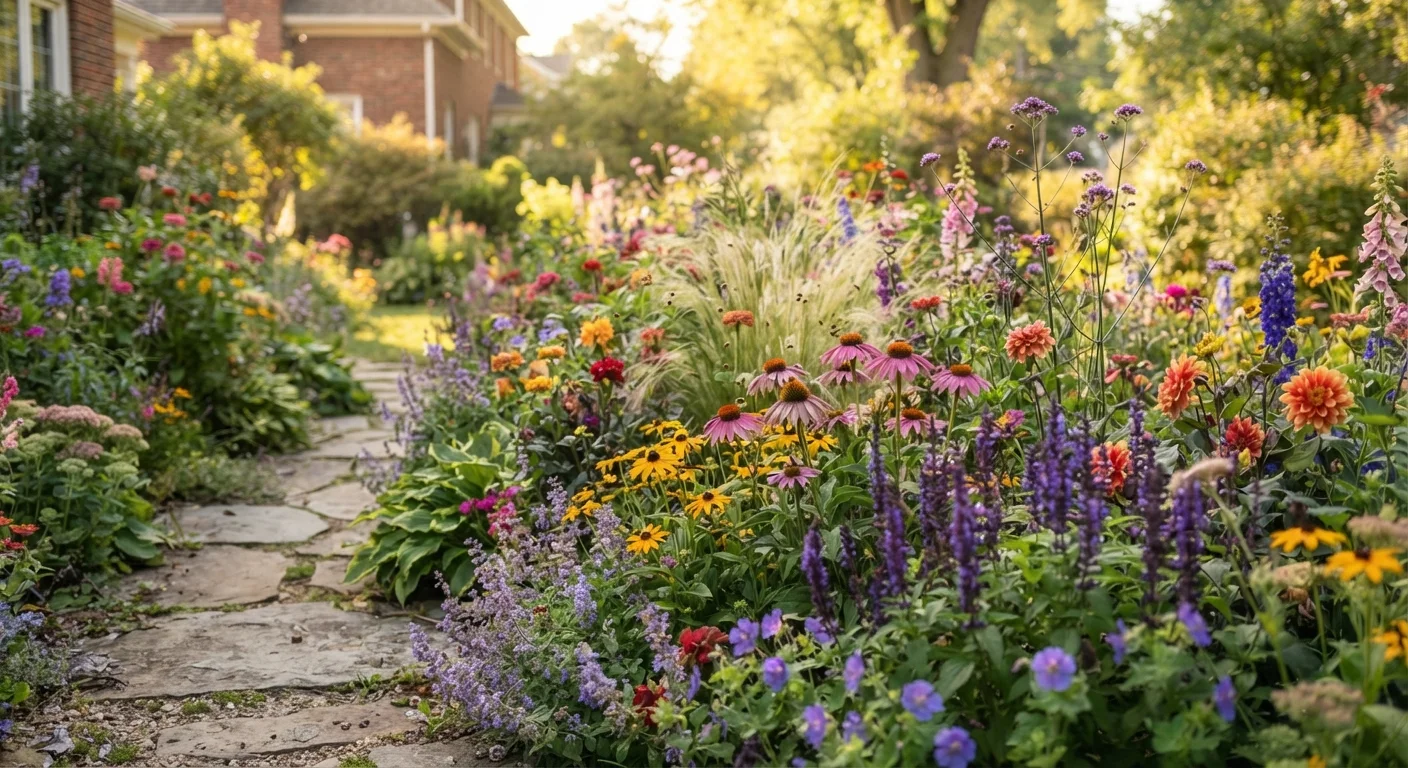
Photo credit: QuickInsights.net
In this article
Annuals bloom big for one season; perennials return year after year. Learn how each fits into a low-maintenance, long-term garden plan.
Key Takeaways
- Annuals complete their life cycle in one growing season, delivering continuous, bold color but requiring replanting each year.
- Perennials return year after year from the same root system, reducing long-term labor and cost once established.
- Most successful gardens use both: perennials as a reliable backbone, annuals to fill gaps and extend seasonal interest.
- Upfront cost and effort for perennials is higher, but they typically pay off over multiple seasons.
- Your climate zone, maintenance tolerance, and budget should guide how you balance the two plant types.
Understanding the Difference
The terms annual and perennial describe a plant's life cycle - how long it lives and whether it returns on its own. Understanding this single distinction will shape every planting decision you make.
Annuals germinate, flower, set seed, and die all within one growing season. Because they pour all their energy into flowering rather than building long-term root systems, they tend to bloom prolifically and continuously. Common examples include marigolds, petunias, zinnias, and impatiens. You plant them in spring (or after your last frost date), enjoy them through the season, and then replant the following year.
Perennials live for three or more years. Their above-ground stems and foliage typically die back in winter, but their root systems survive underground and send up new growth each spring. Coneflowers (Echinacea), black-eyed Susans, hostas, and daylilies are classic American perennial garden staples. They usually bloom for a defined window - a few weeks to a couple of months - rather than all season long.
A third category worth knowing: biennials complete their cycle over two years, flowering in year two. Foxglove and hollyhock are common examples. They're less commonly discussed but useful to recognize so you aren't surprised when a plant doesn't bloom its first year.
How Annuals and Perennials Compare
Choosing between the two often comes down to what you value most: flexibility and color volume, or long-term investment and lower recurring effort. The table below lays out the key trade-offs at a glance.
| Annuals | Perennials | |
|---|---|---|
| Lifespan | One growing season | 3+ years (returns annually) |
| Bloom duration | All season until frost | A few weeks per season |
| Upfront cost | Lower per plant | Higher per plant |
| Long-term cost | Higher (replant each year) | Lower (no annual replanting) |
| Maintenance | Replanting required yearly | Division and occasional pruning |
| Design flexibility | Change colors/layout yearly | Fixed positions once established |
| Establishment time | Fast - blooms quickly | Slow - full display by year 3 |
| Best use | Color gaps, containers, accents | Garden backbone, structure |
One practical note: perennials often look sparse in year one as they establish their root systems. The gardening adage - "first year sleeps, second year creeps, third year leaps" - reflects this accurately. Patience pays off. Annuals, by contrast, hit the ground running.
Building a Garden That Uses Both
The most satisfying home gardens typically treat perennials as the backbone and annuals as the fill and accent layer. Here's how to think about each role:
- Use perennials to anchor beds. Plant them toward the middle or back of borders where their foliage provides structure even when they aren't in bloom. Stagger bloom times so something is always flowering - spring bulbs give way to early summer perennials, which hand off to late-summer bloomers.
- Use annuals to plug the gaps. Perennials rarely bloom all at once all season. Annuals like verbena or salvia fill those quiet periods with color exactly where you need it.
- Layer for depth. Tall perennials at the back, mid-height annuals in the middle, and low-growing annuals or ground-cover perennials at the front create a tiered, polished look without constant replanting.
If you're planning a new planting area, it's worth thinking about the overall setup too. See our comparison of raised beds vs. in-ground gardens for help deciding where your plants will live before choosing what goes in them.
Start With a Few Reliable Perennials
If you're new to gardening, pick three to five well-suited perennials for your climate zone and build around them. Natives are an especially strong choice - they're adapted to local rainfall and soil, support pollinators, and tend to thrive with minimal intervention. Fill the rest of your bed with annuals in year one while your perennials establish. By year three, your perennial layer will carry much more of the visual weight on its own.
For container gardening on a patio or balcony, annuals are often the practical choice - they're purpose-built for one spectacular season in a pot. Our container gardening guide covers the specifics of growing in pots.
Seasonal Planning and Long-Term Care
One of the clearest advantages of leaning on perennials is reduced seasonal workload - but they still require attention. Dividing clumps every few years prevents overcrowding and revitalizes bloom quality. Deadheading (removing spent flowers) encourages some perennials to rebloom. And knowing what to leave standing in fall matters more than many gardeners realize: seed heads support overwintering birds and beneficial insects. Our guide to fall garden cleanup walks through exactly what to do - and what not to do - as the season winds down.
In spring, perennials need a little help getting started: clearing dead stems, topdressing with compost, and dividing overcrowded clumps. Annuals need a fresh start - soil preparation, planting after frost risk has passed, and early watering to establish roots. A pre-season spring checklist can keep both tasks organized before the growing season kicks in.
For a broader view of how plant selection ties into year-round yard management, designing a low-maintenance outdoor space offers practical layout and plant-choice strategies worth reading alongside this guide.

Author
Home & Garden Editorial Team
Home & Garden Editorial Team is the collective byline for our editorial team and contributor network. Articles published under this byline or an editorial pen name are researched, written, and reviewed according to our editorial standards for clarity, consistency, and independence before publication.
View all articles →