
Soil Basics Every New Gardener Should Understand
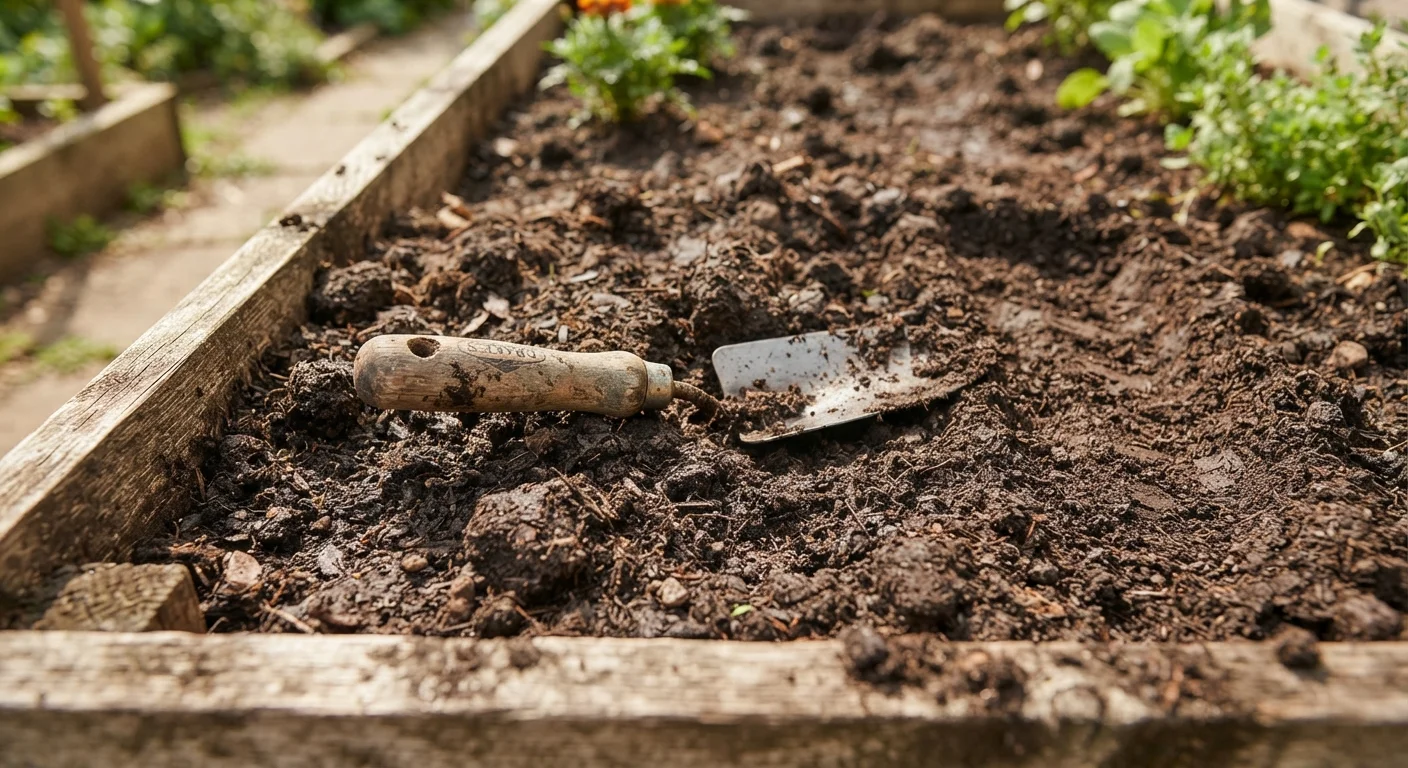
Photo credit: QuickInsights.net
In this article
Learn what makes healthy garden soil, why texture and drainage matter, and how to improve what you have before planting.
Key Takeaways
- Soil texture - the ratio of sand, silt, and clay - determines drainage and root growth more than any other factor.
- Loam, a balanced mix of sand, silt, and clay, is generally considered ideal for most vegetables and ornamentals.
- Organic matter is the single most reliable way to improve nearly any soil type.
- A simple jar test or a professional soil test can reveal your soil's texture and nutrient gaps before you plant.
- pH affects whether plants can access nutrients already present in the soil - not just what nutrients exist.
- Improving soil is an ongoing process, not a one-time fix.
The Three Particles That Define Your Soil
Every garden soil is built from three types of mineral particles: sand, silt, and clay. The proportion of each - called soil texture - shapes almost everything about how your soil behaves.
- Sand particles are the largest. They create big pore spaces that allow water and air to move freely, but they hold very little moisture or nutrients.
- Silt particles are mid-sized, smooth, and feel flour-like when dry. Silt holds moisture better than sand and contains more nutrients, but compacts easily.
- Clay particles are the smallest and hold water and nutrients very well - sometimes too well, leading to poor drainage and root suffocation.
The sweet spot most gardeners aim for is loam: a roughly balanced mixture of all three. Loam drains reasonably well, holds adequate moisture between waterings, and supports healthy root growth. You can get a rough sense of your soil texture with a simple jar test: add a cup of soil to a jar of water, shake it, and let it settle overnight. Sand sinks first, silt in the middle layer, and clay stays cloudy at the top.
Why Organic Matter Is the Great Equalizer
Whether your soil skews sandy or heavy with clay, organic matter - decomposed plant and animal material - is the most reliable amendment you can add. In sandy soils, it acts like a sponge, slowing water loss and binding nutrients that would otherwise leach away. In clay soils, it improves structure and creates drainage pathways that prevent waterlogging.
Compost is the most accessible form of organic matter for home gardeners. Working finished compost into the top 6 to 8 inches of a bed before planting introduces not only nutrients but also the microbial life that makes nutrients available to plant roots. See our guide to backyard composting to learn how to produce your own from kitchen and yard scraps.
Amend Soil Before Planting, Every Season
Adding compost once and expecting lasting results is one of the most common beginner mistakes. Soil improvement is a gradual, ongoing process. Work 2 to 3 inches of finished compost into your beds each season before planting to steadily build organic matter levels and soil structure.
Organic matter improves soil gradually. Plan to amend before each growing season rather than expecting a single addition to transform your beds. Over two or three seasons, consistent additions produce measurable improvements in soil structure and plant performance.
Soil pH: The Invisible Gatekeeper
Even nutrient-rich soil can starve your plants if the pH is off. pH measures soil acidity on a scale from 0 (highly acidic) to 14 (highly alkaline), with 7 being neutral. Most vegetables and ornamental plants grow best in soil between pH 6.0 and 7.0 - a slightly acidic range where the widest array of nutrients remains chemically available to roots.
Outside that range, nutrients like phosphorus, iron, and calcium can become chemically bound to soil particles, making them inaccessible even when they're physically present. This is why plants in unamended, very acidic or alkaline soil often show signs of nutrient deficiency despite adequate fertilizing.
You can adjust pH over time: ground limestone raises pH in acidic soils, while elemental sulfur lowers it in alkaline conditions. Both work slowly - expect months, not days - so testing before the season begins is worth the effort. Many cooperative extension services offer affordable soil testing that includes pH alongside nutrient levels. A pre-season readiness checklist can help you build soil testing into your annual routine.
pH Adjustments Take Time
Lime and sulfur amendments don't change pH overnight. Most soil pH adjustments take several months to fully register, and significant shifts may require multiple applications across seasons. Test your soil in fall or early spring so there is adequate time to act before planting. Your local cooperative extension office can provide region-specific guidance on amendment rates.
Drainage, Compaction, and What's Happening Below the Surface
Good drainage means water moves through the root zone at a reasonable rate - not so fast that roots dry out between waterings, and not so slow that roots sit in saturated soil and suffocate. A basic drainage test: dig a hole about 12 inches deep, fill it with water, and time how long it takes to drain. Draining in 1 to 3 hours is generally healthy. Persistently waterlogged soil may need raised beds or amendments to function well as a planting area.
Compaction is another common issue, especially in high-traffic areas or beds that have been walked on repeatedly. Compacted soil restricts both root growth and the movement of water and air. Avoid stepping in planting areas, use permanent paths, and limit mechanical tilling that breaks down soil structure over time.
If you're weighing how much control you want over drainage and soil depth, our comparison of raised bed vs. in-ground gardening walks through the practical trade-offs. Once your soil fundamentals are solid, you'll be well prepared to take the next step and start a vegetable garden from scratch.
Frequently Asked Questions

Author
Home & Garden Editorial Team
Home & Garden Editorial Team is the collective byline for our editorial team and contributor network. Articles published under this byline or an editorial pen name are researched, written, and reviewed according to our editorial standards for clarity, consistency, and independence before publication.
View all articles →