
Solo Travel Safety: Honest Realities and the Habits That Make a Difference
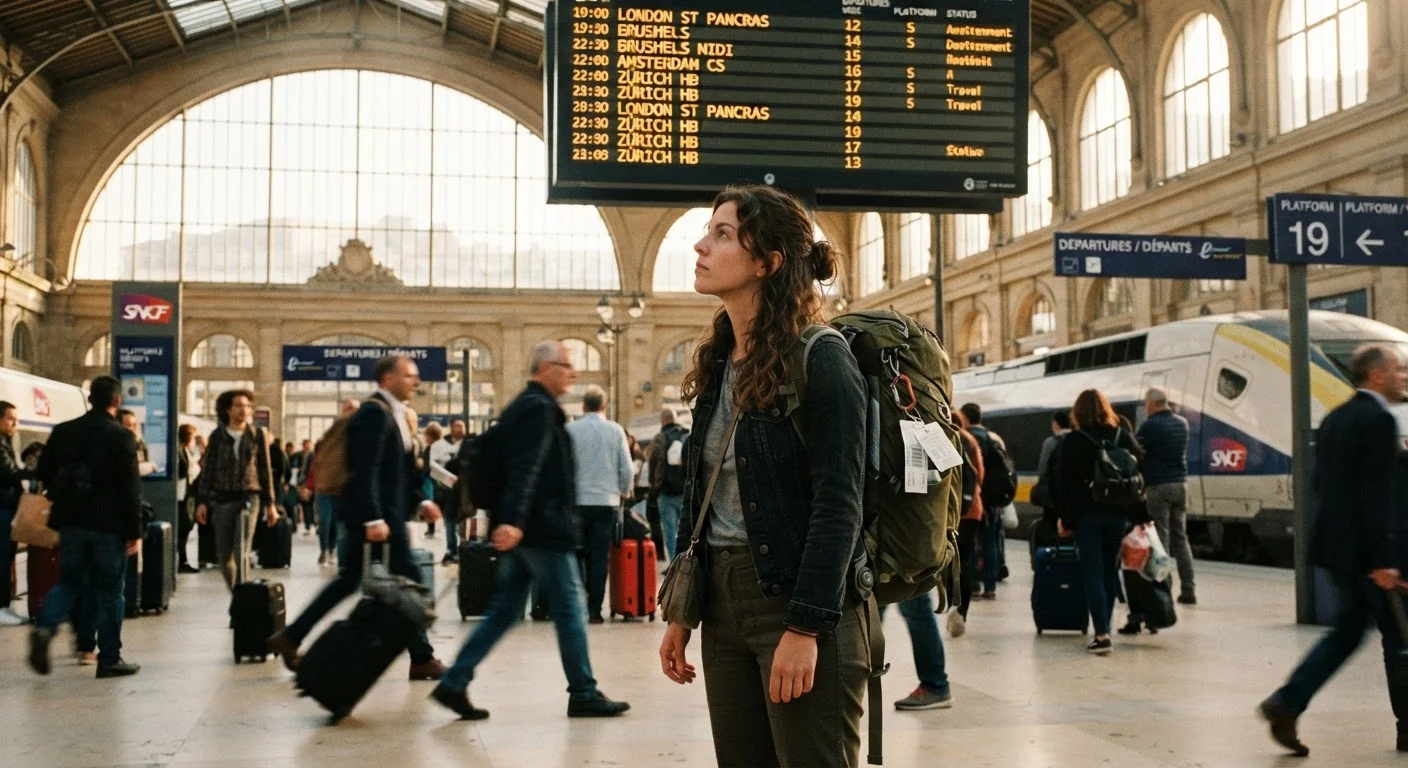
Photo credit: QuickInsights.net
In this article
Solo travel carries unique risks, but many are manageable. Learn the honest trade-offs and the specific habits that reduce vulnerability on the road.
Key Takeaways
- Solo travel offers freedom and personal growth, but comes with distinct safety trade-offs that group travel doesn't.
- Many common solo travel risks are manageable with consistent, practical habits rather than expensive gear.
- Situational awareness, communication plans, and document backups form the core of effective solo safety.
- Destination research and official government travel advisories are essential starting points before any solo trip.
- Being solo doesn't mean being unsafe - but it does mean you carry more personal responsibility for risk management.
Complete control over your schedule and pace
Solo travelers make every decision independently - where to go, how long to stay, and when to change course. This flexibility is difficult to replicate in a group.
Sharper situational awareness by default
Without a travel companion to share the cognitive load, solo travelers often become more observant and attentive to their surroundings - a habit that directly supports personal safety.
Easier to blend in and move discreetly
A single traveler is less conspicuous than a group, which can reduce the visibility that makes tourists a target in busy areas.
Faster response to changing conditions
If a situation feels unsafe or an itinerary needs to change, there's no group consensus required - you can act immediately on your own judgment.
No backup if something goes wrong
A travel companion can get help if you're ill, injured, or in a dangerous situation. Solo travelers must either manage alone or rely on strangers, which raises the stakes of even minor incidents.
Higher cognitive load across the whole trip
Navigation, safety awareness, logistics, and decision-making all fall on one person. Fatigue from this load can lead to lapses in judgment at exactly the wrong moments.
Valuables are less secure at rest
There's no partner to watch your belongings when you need to use a restroom, make a phone call, or step away briefly in a public space.
Scammers and opportunists may target solo travelers
Solo travelers, particularly those who appear unfamiliar with an area, are sometimes specifically targeted by common travel scams. Being visibly alone can signal vulnerability.
Medical or safety incidents are harder to manage
If you're incapacitated - through illness, injury, or a safety incident - you have no immediate advocate. This makes pre-trip preparation, including travel insurance, especially important.
The Honest Trade-Off of Traveling Alone
Solo travel sits at an interesting intersection: it's one of the most personally enriching ways to see the world, and one of the formats that demands the most self-reliance when things go wrong. Neither the risk nor the reward is worth exaggerating.
The appeal is real. Traveling alone means complete control over your itinerary, pace, and budget. You eat when you want, change plans without negotiation, and often find it easier to connect with locals or other travelers when you're not moving as a group. Many solo travelers describe the experience as genuinely transformative.
The risks are also real. Without a companion, there's no one to watch your bag at a café, notice if you seem unwell, or help you navigate a confusing or threatening situation. You carry the full cognitive load - logistics, navigation, safety assessment - by yourself. That's manageable, but it's worth understanding before you go.
See our comparison of solo and group trip planning for a fuller look at how the two approaches differ in practice.
Complete control over your schedule and pace
Solo travelers make every decision independently - where to go, how long to stay, and when to change course. This flexibility is difficult to replicate in a group.
Sharper situational awareness by default
Without a travel companion to share the cognitive load, solo travelers often become more observant and attentive to their surroundings - a habit that directly supports personal safety.
Easier to blend in and move discreetly
A single traveler is less conspicuous than a group, which can reduce the visibility that makes tourists a target in busy areas.
Faster response to changing conditions
If a situation feels unsafe or an itinerary needs to change, there's no group consensus required - you can act immediately on your own judgment.
Where Solo Travelers Are Most Vulnerable
Understanding specific vulnerability points is more useful than general anxiety about safety. Solo travelers tend to face elevated risk in a handful of predictable situations.
- Arriving in unfamiliar cities at night, when crowds thin and navigation errors are more costly.
- Carrying all valuables on one person, making a single theft or loss far more disruptive.
- Being visibly distracted - studying a map, managing luggage, or absorbed in a phone - in busy transit hubs.
- Accepting unsolicited help from strangers who approach travelers rather than the other way around.
- Staying in isolated or poorly reviewed accommodation without a backup option.
None of these scenarios is unavoidable, but recognizing them in advance changes how you move through them. Common travel safety myths - like the idea that tourist areas are inherently safe - can make these moments more dangerous by encouraging complacency.
No backup if something goes wrong
A travel companion can get help if you're ill, injured, or in a dangerous situation. Solo travelers must either manage alone or rely on strangers, which raises the stakes of even minor incidents.
Higher cognitive load across the whole trip
Navigation, safety awareness, logistics, and decision-making all fall on one person. Fatigue from this load can lead to lapses in judgment at exactly the wrong moments.
Valuables are less secure at rest
There's no partner to watch your belongings when you need to use a restroom, make a phone call, or step away briefly in a public space.
Scammers and opportunists may target solo travelers
Solo travelers, particularly those who appear unfamiliar with an area, are sometimes specifically targeted by common travel scams. Being visibly alone can signal vulnerability.
Medical or safety incidents are harder to manage
If you're incapacitated - through illness, injury, or a safety incident - you have no immediate advocate. This makes pre-trip preparation, including travel insurance, especially important.
The Habits That Actually Reduce Risk
Experienced solo travelers tend to rely on a consistent set of practices rather than specific products or gear. These habits don't eliminate risk, but they meaningfully reduce it.
Share your itinerary
Leave a detailed copy of your plans - accommodation names, transportation bookings, and rough daily schedule - with someone at home. Check in at agreed intervals. This single habit is the most important safety net solo travelers have.
Separate your valuables
Keep emergency cash, a backup card, and a copy of your passport in a different location from your main wallet. If one set is lost or stolen, you're not stranded. Protecting your money and documents while traveling covers this in practical detail.
Know the local emergency numbers
The universal 112 works in many countries, but local numbers vary. Look them up before you arrive, not after you need them.
Use official transportation
Pre-booked or licensed taxis and ride services are consistently safer than accepting rides from unofficial drivers, particularly on arrival in a new city.
Trust your instincts about situations and people
Discomfort is information. If a place, person, or situation feels wrong, you don't owe anyone an explanation for leaving.
Travel Insurance Is Worth Considering Carefully
For solo travelers, travel insurance takes on added importance - particularly coverage for medical evacuation, hospitalization, and trip interruption. Without a companion to coordinate logistics, having a policy with 24-hour emergency assistance can make a significant practical difference. Policies vary widely in what they cover; read the terms carefully and verify what's included before you depart. This is general information - speak with a licensed insurance professional about coverage suited to your specific trip and circumstances.
Your digital safety matters as much as your physical safety. Protecting your data on the road - including how you use public Wi-Fi and manage device access - is a practical companion to physical safety habits.
Research and Preparation as Safety Infrastructure
The most effective safety measures happen before you leave home. Destination research isn't just about finding good restaurants - it's about understanding local norms, common scams, transport options, and areas worth avoiding.
The U.S. Department of State publishes travel advisories for every country, rated from Level 1 (exercise normal precautions) to Level 4 (do not travel). These are a useful starting point, though they reflect broad conditions rather than neighborhood-level detail. Supplement them with current traveler forums, recent guidebook editions, and advice from people who have visited recently.
Level 1-4
U.S. State Department travel advisory scale
The U.S. Department of State rates every country on a four-level advisory scale; checking your destination's current rating before travel is a baseline safety step.
1 in 3
U.S. leisure travelers who travel solo at least occasionally
Industry surveys consistently show solo travel is a mainstream and growing choice, not a niche one - which also means a growing body of shared practical knowledge exists.
It's also worth understanding how safety planning shifts between different types of destinations. The risks of solo travel in a dense urban environment are different from those of solo hiking in a remote area - and so are the preparation requirements. Urban vs. remote travel safety planning breaks down those differences clearly.
If you're newer to independent travel, the foundational safety principles every first-time traveler should know is a practical place to start before layering in solo-specific considerations.

Author
Travel Editorial Team
Travel Editorial Team is the collective byline for our editorial team and contributor network. Articles published under this byline or an editorial pen name are researched, written, and reviewed according to our editorial standards for clarity, consistency, and independence before publication.
View all articles →