
Travel Safety Myths That Give Travelers a False Sense of Security
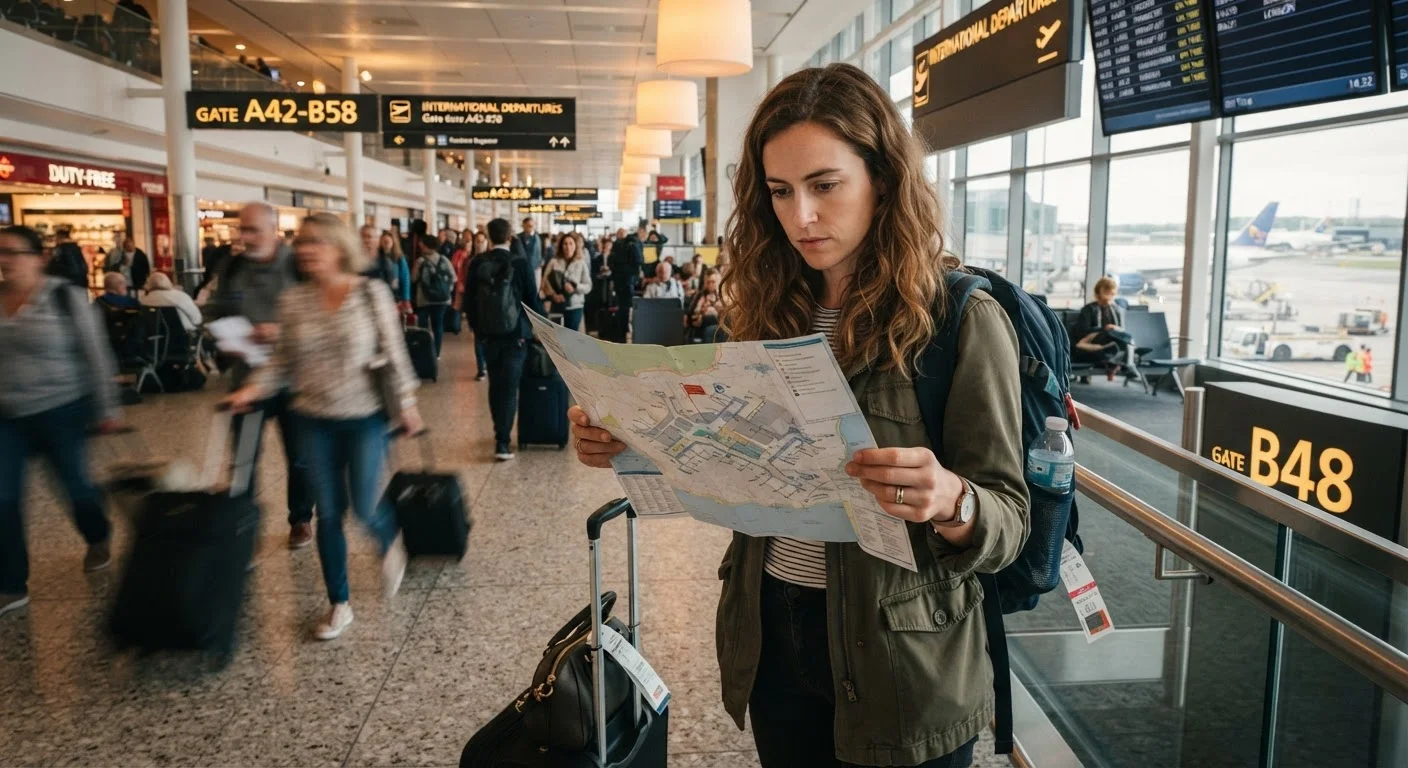
Photo credit: QuickInsights.net
From 'tourist areas are always safe' to 'travel insurance covers everything,' common travel safety myths can leave you dangerously underprepared.
Key Takeaways
- Tourist areas are not inherently safe and often attract opportunistic crime.
- Travel insurance policies contain exclusions that can leave you without coverage when you need it most.
- Government travel advisories use nuanced tiers - a single level does not mean a whole country is off-limits.
- Blending in reduces visibility but does not eliminate safety risks in unfamiliar environments.
- Staying in a group lowers some risks but does not protect against all hazards, including scams and traffic dangers.
Why Travel Safety Myths Persist
Travel safety myths survive because they feel logical. Tourist areas seem like they'd be protected. Groups seem safer than going alone. Insurance seems like it covers everything - it's insurance. These assumptions aren't random; they're built from intuitive reasoning applied to unfamiliar situations. The problem is that travel environments don't always follow the same logic as home.
Myths also spread through experience bias. If a traveler visits a notoriously busy district and nothing bad happens, they conclude the area is safe. What they can't see is that a companion lost a wallet, that their phone was nearly grabbed, or that conditions shifted the following week. A single smooth trip is genuinely useful data - but it's not a safety guarantee.
For a foundational look at what real travel safety preparation involves, this guide for first-time travelers is a useful starting point before diving into specific myths.
Myth
Tourist areas are the safest places to spend time because authorities focus protection there.
Fact
Tourist zones often attract higher rates of pickpocketing, scams, and opportunistic theft precisely because crowds of distracted visitors make easy targets.
Busy plazas, famous landmarks, and popular markets draw not only visitors but also individuals who prey on them. Crowded environments reduce individual vigilance, making wallets, phones, and bags more accessible to thieves. Local authorities may have a visible presence in these areas, but that doesn't neutralize risk - it can actually create a false comfort that causes travelers to lower their guard. See our guide to common travel scams for the specific patterns that play out in tourist-heavy locations.
Myth
My travel insurance will cover anything that goes wrong on my trip.
Fact
Travel insurance policies contain significant exclusions - pre-existing conditions, high-risk activities, and civil unrest are commonly excluded without specific add-on coverage.
Many travelers purchase a policy and assume they're fully protected, only to discover gaps at the worst possible moment. Standard policies often exclude adventure sports, alcohol-related incidents, and travel to destinations under government warning levels. Reading the policy summary before purchasing - not after - is essential. Our overview of travel insurance misconceptions breaks down what typical policies actually cover.
Myth
A travel advisory means an entire country is dangerous and should be avoided completely.
Fact
Government travel advisories use tiered levels and often apply to specific regions within a country, not a destination as a whole.
The U.S. Department of State issues advisories on a four-level scale, ranging from normal precautions to 'do not travel.' A Level 2 advisory in one province does not make the capital city equally risky. Travelers who dismiss advisories entirely or treat them as blanket bans both make the same mistake: failing to read the detail. Understanding what travel advisories actually mean helps you interpret that information accurately.
Myth
Traveling in a group means you're significantly safer from all risks.
Fact
Groups reduce vulnerability to some risks - such as mugging - but offer little protection against food safety issues, traffic accidents, scams, or natural hazards.
The sense of collective security a group provides is real in some contexts but misleading in others. A group of travelers can collectively fall for a coordinated scam, be affected by the same contaminated meal, or be equally exposed to road hazards. Situational awareness is an individual skill, not something a group automatically supplies. Relying on companions to watch out for you without staying alert yourself remains a common and costly mistake.
Myth
If I blend in and dress like a local, I won't be targeted.
Fact
Appearance alone does not reliably prevent targeting - behavior, unfamiliarity with surroundings, and device use are often stronger signals to would-be scammers.
Experienced scammers and thieves read behavioral cues more than clothing. Consulting a map, pausing to orient yourself, staring at your phone in a busy space, or visibly struggling with a language barrier marks a traveler more clearly than attire. Practical awareness - knowing your route in advance, using devices discreetly, and walking with purposeful confidence - makes a more meaningful difference than wardrobe. Protecting your personal data while traveling covers the digital dimension of this problem.
Myth
Solo travel is inherently more dangerous than traveling with others.
Fact
Solo travel carries different risk profiles than group travel, but many of those risks are manageable with consistent habits and preparation.
Solo travelers do face certain elevated risks - there's no one to notice if you don't return, and you may be perceived as a softer target in some contexts. But these risks are not fixed. Sharing itineraries with someone at home, checking in regularly, choosing well-reviewed accommodations in safe neighborhoods, and trusting your instincts reduce vulnerability substantially. Solo travel safety habits that actually make a difference offers a grounded look at what preparation looks like in practice.
Putting Accurate Safety Thinking Into Practice
Correcting these myths isn't about becoming anxious or hypervigilant - it's about replacing vague reassurance with specific, actionable awareness. The travelers who navigate destinations most confidently tend to do a few things consistently: they research conditions at the regional level rather than the country level, they read their insurance documents before departure, they share itineraries with someone at home, and they stay attentive to their surroundings without being paralyzed by them.
Never Rely Solely on Secondhand Safety Advice
Well-meaning recommendations from friends, travel forums, or social media often reflect one person's experience at one moment in time. Conditions at destinations change - politically, environmentally, and socially. Always cross-check with official government sources such as the U.S. Department of State before finalizing travel plans.
If you're planning a trip to a region you're less familiar with, destination-specific preparation matters. Common misunderstandings about Southeast Asia illustrates how regional assumptions can diverge sharply from reality. Similarly, underestimated African destinations shows how broad safety generalizations can cause travelers to miss some of the world's most rewarding places.
Myths Can Have Real Consequences
Acting on a false sense of security is one of the leading reasons travelers find themselves in preventable situations abroad. Believing a myth doesn't just waste money - it can delay a medical response, leave you financially exposed, or put you in genuine danger. Always verify safety assumptions before you travel, not after something goes wrong.
Accurate safety thinking is a skill built over time. It starts with questioning the assumptions that feel most comfortable - because those are the ones most likely to go unexamined until they matter. For reference on official resources and safety terminology, this traveler's safety reference offers a concise guide to the organizations and terms every international traveler should recognize.
This article is for general informational purposes only. Safety conditions at travel destinations change frequently. Always verify current conditions with official government sources and consult qualified professionals for insurance, medical, or legal questions related to your travel plans.

Author
Travel Editorial Team
Travel Editorial Team is the collective byline for our editorial team and contributor network. Articles published under this byline or an editorial pen name are researched, written, and reviewed according to our editorial standards for clarity, consistency, and independence before publication.
View all articles →