
Travel Safety From the Ground Up: What Every First-Time Traveler Should Know
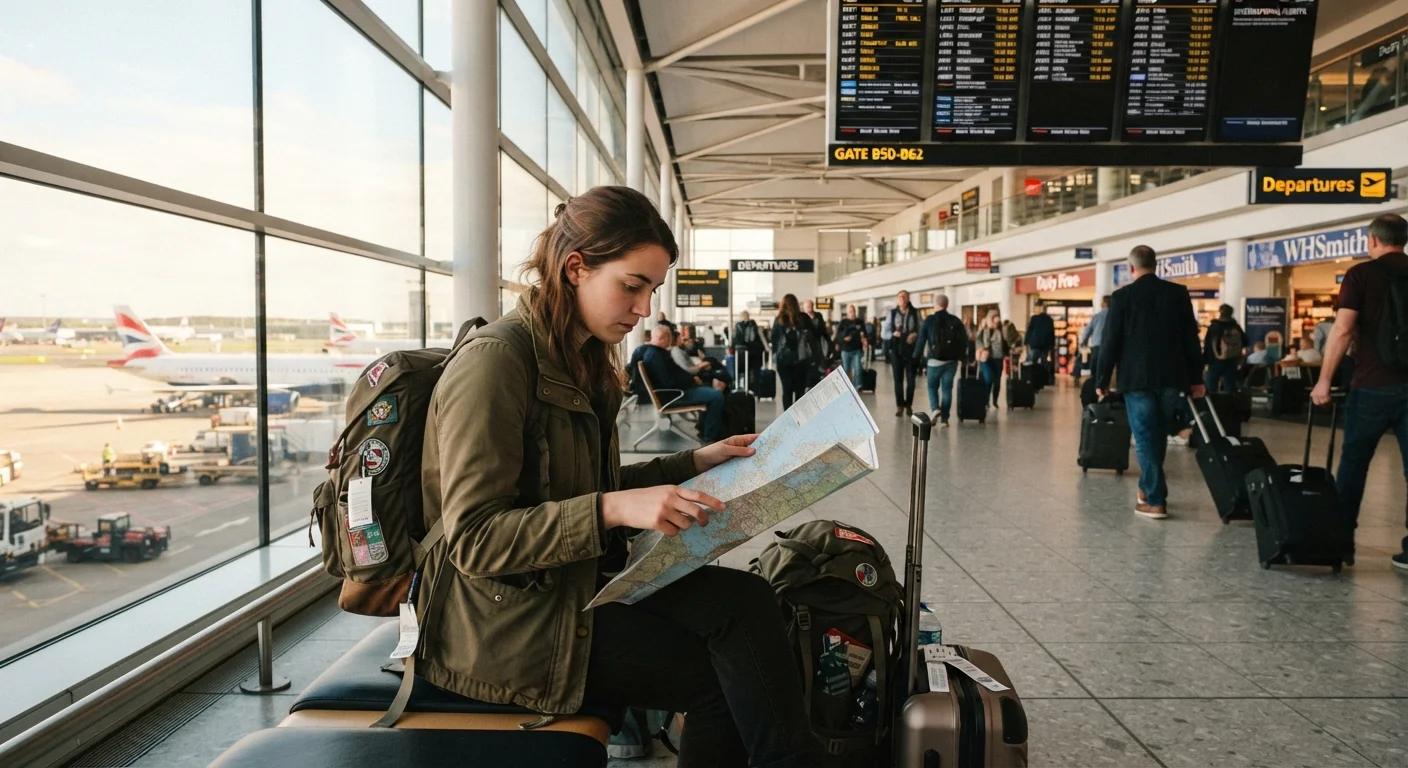
Photo credit: QuickInsights.net
In this article
New to traveling? This foundational guide covers the essential safety principles every first-time traveler needs before leaving home.
Key Takeaways
- Safety preparation begins weeks before departure, not at the airport gate.
- Official government travel advisories provide the most reliable, up-to-date destination risk information.
- Travel insurance is a key safety layer - but its coverage varies widely by policy.
- Simple on-the-ground habits - like staying alert and keeping copies of documents - reduce risk significantly.
- Knowing who to contact and what steps to take before an emergency happens can make a critical difference.
Why Safety Preparation Starts at Home
First-time travelers often assume safety is something to think about once they arrive. In reality, the most important safety decisions happen in the weeks before departure. Understanding your destination - its entry requirements, current conditions, and cultural norms - gives you a clearer picture of what to expect and how to respond if plans change.
Start with honest research. Not every destination carries the same risk profile, and conditions within countries vary significantly by region and season. The end-to-end international trip planning framework covers how to build that research into your overall planning process. And before you commit to a more off-the-beaten-path itinerary, see our pre-trip reality check for remote destinations.
Travel Advisory
An official government rating that assesses the risk level of traveling to a specific country or region, typically updated as conditions change.
STEP (Smart Traveler Enrollment Program)
A free U.S. State Department service that registers your trip with the nearest embassy or consulate so they can reach you in an emergency.
Travel Insurance
A type of insurance policy that can cover medical emergencies, trip cancellations, lost baggage, and other unexpected travel costs - coverage varies widely by plan.
Situational Awareness
The habit of actively paying attention to your surroundings and recognizing potential risks before they become emergencies.
Emergency Evacuation Coverage
A travel insurance benefit that covers the cost of transporting you to an appropriate medical facility or back home during a serious medical emergency.
Travel Medicine Clinic
A healthcare facility that specializes in preparing travelers for destination-specific health risks, including vaccinations and preventive medications.
Understanding Travel Advisories and Official Resources
The U.S. Department of State issues travel advisories for every country on a scale from Level 1 (Exercise Normal Precaution) to Level 4 (Do Not Travel). These ratings reflect factors like crime, civil unrest, terrorism risk, and natural disaster vulnerability. Checking your destination's advisory at travel.state.gov before booking - and again closer to departure - is one of the simplest and highest-value safety steps you can take.
Enrolling in the Smart Traveler Enrollment Program (STEP) is equally important. This free service through the State Department lets the nearest U.S. embassy or consulate contact you during emergencies and helps your family locate you if communication becomes difficult.
The CDC maintains destination-specific health notices at cdc.gov/travel, listing vaccination recommendations and disease outbreak alerts. Be aware that common travel safety myths - like the idea that tourist areas are inherently safe - can lead to genuine gaps in your preparation. Our article on travel safety myths unpacks several of the most misleading assumptions new travelers make.
Save Key Contacts Before You Leave
Before departure, save the phone number and address of the U.S. embassy or consulate in every country on your itinerary. Also save your travel insurance emergency line and your accommodation's front desk number. If your phone is lost, keep a handwritten backup of these contacts in your luggage.
Documents, Insurance, and Health Essentials
Your passport should be valid for at least six months beyond your travel dates - many countries enforce this rule at the border. Make both physical and digital copies of your passport, visa, travel insurance policy, and emergency contacts. Store digital copies in a secure, accessible location such as an encrypted email folder or a password-protected cloud account.
Travel insurance is not a luxury. Medical treatment abroad - especially in regions without reciprocal healthcare agreements with the U.S. - can cost tens of thousands of dollars out of pocket. Policies vary significantly: some cover emergency evacuation, some do not. Read the terms carefully and verify exactly what your policy includes. This is general guidance; consult a licensed insurance professional for advice tailored to your specific situation.
Health preparation depends on your destination. Some regions require proof of vaccination for entry; others carry disease risks that warrant preventive medication. Consult a healthcare provider or a travel medicine clinic at least four to six weeks before departure. Use the pre-departure checklist to make sure health documentation doesn't fall through the cracks.
On-the-Ground Safety Habits
Situational awareness is the most transferable safety skill across any destination. This doesn't mean being anxious - it means staying observant. Notice your surroundings when you arrive somewhere new, identify exits in unfamiliar buildings, and trust your instincts when a situation feels off.
- Carry minimal valuables. Leave high-value jewelry and extra cards at your accommodation. Use a money belt or hidden pouch in crowded areas.
- Know your accommodation address. Have it written in the local language so you can show it to taxi drivers or ask for directions without confusion.
- Use official transportation. Unlicensed taxis and informal rideshares carry higher risk. Use apps or services recommended by your accommodation.
- Stay connected. Whether through an international SIM card, a local data plan, or a portable Wi-Fi device, reliable communication matters when plans go sideways.
Destination-specific habits matter too. Travelers to regions like Southeast Asia or South Asia often encounter conditions that differ sharply from expectations. Our guides on common mistakes in Southeast Asia and what to know before visiting India offer grounded, practical preparation for those regions.
Don't Rely Solely on Tourist Area Safety
Busy tourist zones are frequently targeted by pickpockets and scammers precisely because visitors are distracted and unfamiliar with their surroundings. Staying alert in high-traffic areas is just as important as in quieter neighborhoods. Avoid displaying expensive electronics or large amounts of cash in public spaces, regardless of how safe an area appears.
What to Do When Something Goes Wrong
Even well-prepared travelers encounter problems. Knowing your response plan in advance - before emotions and adrenaline are involved - dramatically improves outcomes.
If your documents are stolen: File a police report immediately, then contact the nearest U.S. embassy or consulate. They can issue emergency travel documents and provide a list of local resources. Save the embassy's phone number in your phone before you travel.
If you need medical help: Contact your travel insurance provider's emergency line first - they can often direct you to vetted local facilities and coordinate payment. Avoid making large medical payments out of pocket before checking with your insurer.
If you feel unsafe: Move toward busy, well-lit public spaces or enter a hotel lobby. In genuine emergencies, call the local equivalent of 911 - research this number for each country before you arrive, since it varies internationally.
For a broader reference to the official agencies and terminology you'll encounter, our traveler's safety reference guide is a useful companion to keep bookmarked. Solid preparation won't eliminate every risk, but it ensures you're never starting from zero when it counts most.
Frequently Asked Questions

Author
Travel Editorial Team
Travel Editorial Team is the collective byline for our editorial team and contributor network. Articles published under this byline or an editorial pen name are researched, written, and reviewed according to our editorial standards for clarity, consistency, and independence before publication.
View all articles →