
The Pre-Departure Checklist Every Traveler Should Run Through
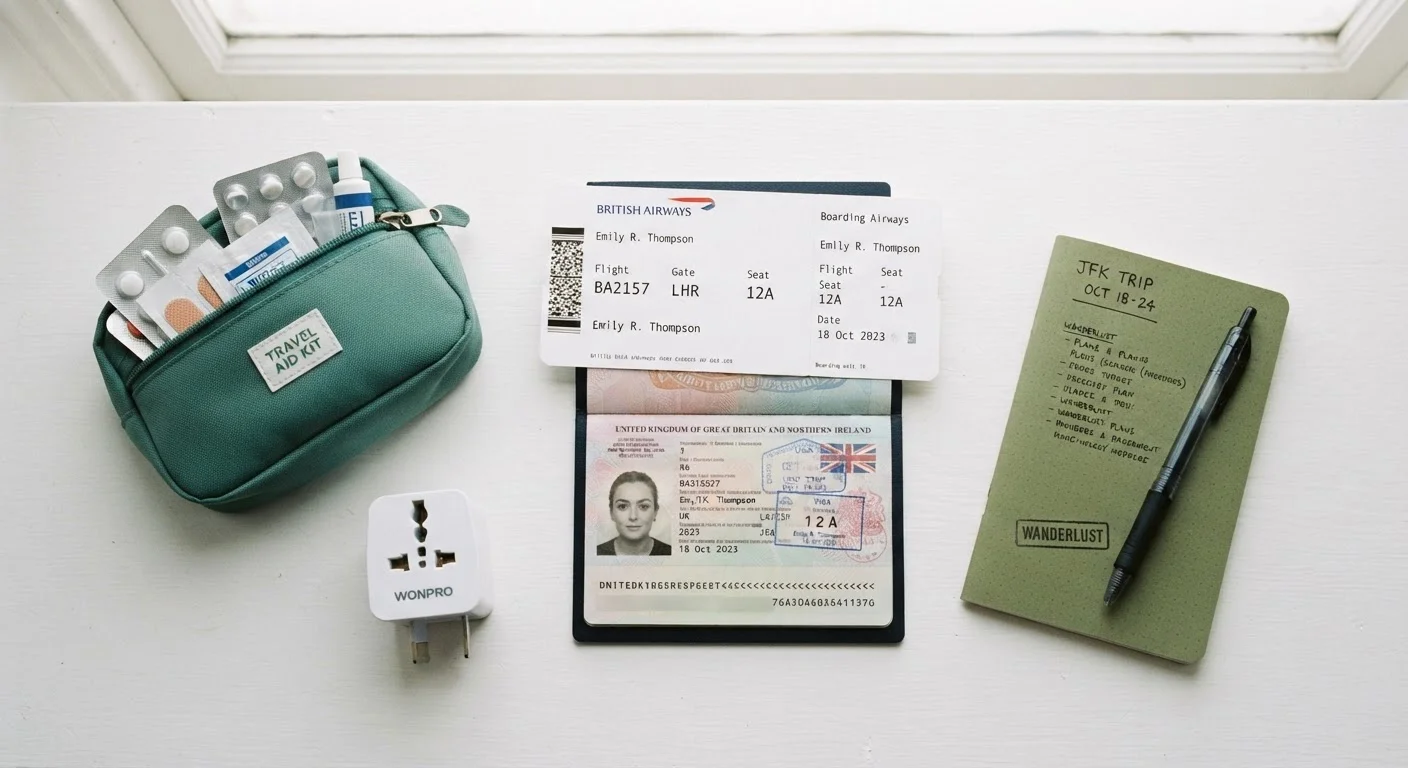
Photo credit: QuickInsights.net
In this article
Passports, medications, travel documents, home security, and more—work through this checklist before you leave so nothing gets missed.
Key Takeaways
- Passport validity requirements vary by country - confirm at least six months before departure.
- Digital copies of key documents stored securely can save you in an emergency abroad.
- Home security and appliance checks are easy to overlook until something goes wrong.
- Medications and health prep should be addressed weeks before departure, not the night before.
- Notifying your bank and setting up travel alerts prevents card disruptions at critical moments.
Why a Pre-Departure Checklist Matters
Most travel problems that derail trips weren't unforeseeable - they were just unaddressed. A forgotten prescription, a passport that expired six months ago, or a front door left unlocked aren't disasters that happen to unlucky people. They happen to busy, distracted ones. A structured checklist changes that.
This checklist is organized into four categories covering documents, health, home, and finances. Work through it starting at least two weeks before departure for international trips, or a few days before for domestic travel. For a broader safety foundation, see our first-time traveler safety guide.
Travel Documents
Health and Medications
Home Security and Logistics
Finances and Digital Security
Tools and Resources You'll Want Handy
Running through this checklist is faster and more effective when you have the right resources in front of you. Here's what to gather before you start.
Official government travel advisory site (e.g., travel.state.gov for U.S. travelers)
Verify entry requirements, visa rules, and current safety advisories for your destination.
Secure cloud storage (e.g., password-protected folder or encrypted notes app)
Store digital copies of your passport, insurance, and booking confirmations accessibly but securely.
Travel health clinic or your primary care provider
Get destination-specific vaccine recommendations and prescription letters well before departure.
Travel insurance policy documents
Confirm your coverage for medical emergencies, trip cancellation, and lost baggage before you leave home.
Offline maps app (downloaded for your destination)
Navigate without cellular data if you lose connectivity or face roaming issues.
Once your documents, health prep, and home are sorted, turn your attention to finances and digital security. For deeper guidance on protecting your cash and ID while traveling, our article on keeping your money and documents safe covers carry habits and digital backup strategies that complement this checklist.
Don't Wait Until the Night Before
Several items on this checklist - particularly visa applications, travel clinic appointments, and prescription refills - require days or weeks of lead time. Running this checklist the night before departure may mean some critical steps simply cannot be completed in time. Build in at least two weeks for international trips.
Final Checks Before You Walk Out the Door
The 24 hours before departure are when most last-minute omissions surface. Run through your carry-on against your packing list, confirm your airport transportation, and double-check check-in times. If you're traveling internationally, review your itinerary against any entry requirement updates - border rules can change with little notice, so always verify with official government sources or the destination country's embassy website rather than relying solely on third-party apps.
If you're planning to travel light across multiple destinations, our guide on living out of a carry-on across multiple countries offers packing and logistics approaches from experienced travelers. And once you reach the airport, airport safety and vigilance covers how to stay alert from check-in to gate.
Verify Entry Requirements Directly With Official Sources
Visa rules, vaccination requirements, and border policies can change without much public notice. Do not rely solely on travel blogs, booking apps, or even this checklist for final confirmation. Always check the official embassy or consulate website of your destination country and the U.S. State Department's travel portal before departure.
This article is for general informational purposes only. Entry requirements, health advisories, and travel regulations vary by destination and can change at any time. Always verify current requirements with official government sources, your airline, and a licensed healthcare provider before travel.

Author
Travel Editorial Team
Travel Editorial Team is the collective byline for our editorial team and contributor network. Articles published under this byline or an editorial pen name are researched, written, and reviewed according to our editorial standards for clarity, consistency, and independence before publication.
View all articles →