
Keeping Your Money and Documents Safe While Traveling
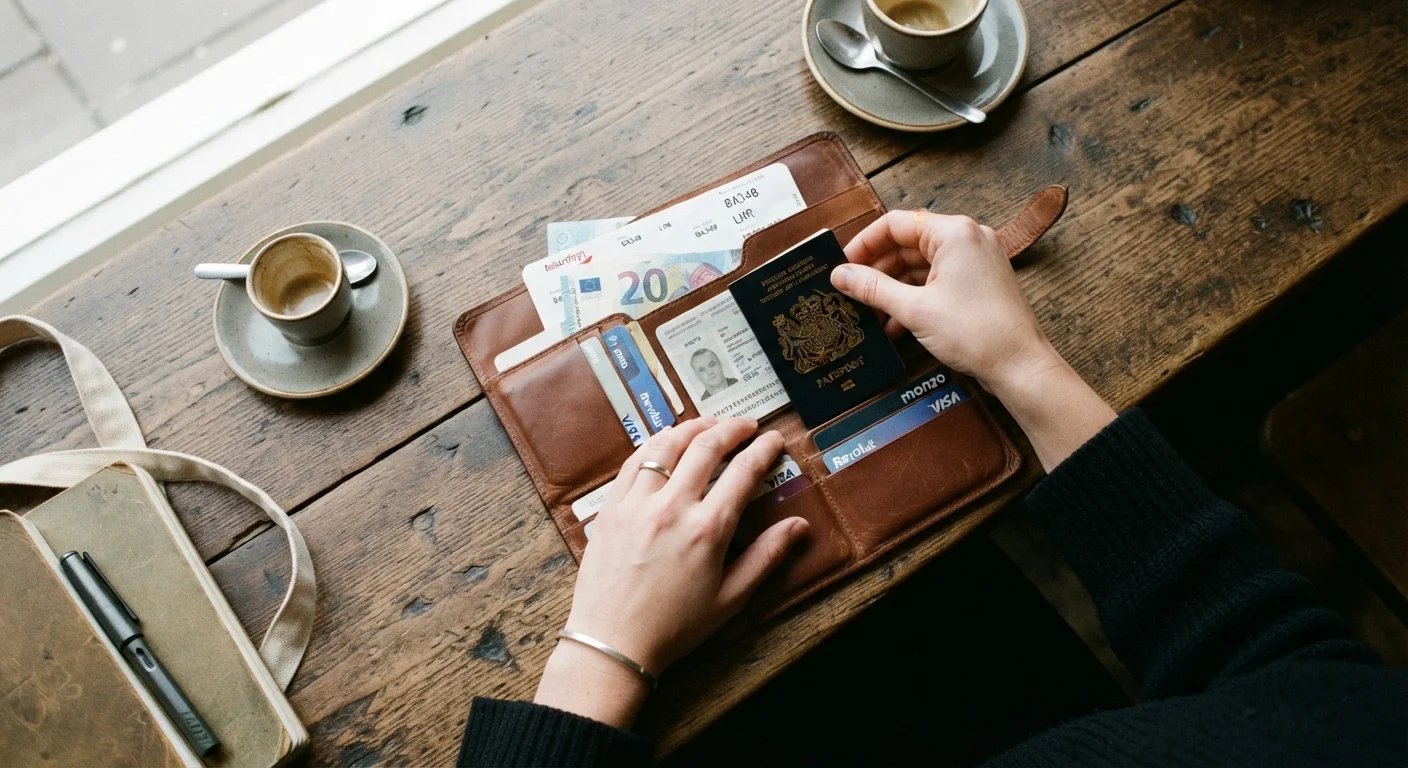
Photo credit: QuickInsights.net
In this article
From digital copies to secure carry habits, these proven approaches help protect your cash, cards, and ID throughout any trip.
Key Takeaways
- Split your cash and cards across multiple locations to limit losses from a single theft.
- Digital copies of key documents, stored securely in the cloud, are invaluable if originals are lost.
- Using ATMs at reputable bank branches reduces skimming and fraud risk significantly.
- A money belt or hidden pouch worn under clothing is among the most reliable deterrents against pickpockets.
- Notify your bank before departure to prevent legitimate travel charges from being flagged and blocked.
Why Document and Cash Security Deserves Real Attention
Losing a passport abroad isn't just stressful - it can cost you days of travel, embassy fees, and significant anxiety. Losing your only debit card in a country where you can't easily get a replacement is genuinely disruptive. The good news is that most document and cash losses are preventable, not through paranoia, but through a handful of deliberate habits practiced consistently.
This guide focuses on practical, tested approaches for everyday travelers - whether you're taking a first international trip or adding another stamp to a well-worn passport. For related guidance on staying safe from digital threats on the road, see protecting your personal data while traveling.
Split your cash, cards, and documents across at least two separate locations on your body or in your bag.
Keeping everything in one wallet or one pocket means a single theft or loss wipes you out entirely. Distributing your assets forces a thief to find multiple stashes - which is unlikely - and ensures you always have a backup.
Store digital copies of your passport, visa, travel insurance, and key cards in a secure, cloud-based location before you leave home.
If your originals are lost or stolen, digital copies dramatically speed up embassy assistance, card replacement, and insurance claims. They also confirm your identity in situations where you temporarily lack physical ID.
Use ATMs located inside reputable bank branches rather than standalone street machines.
Skimming devices - hardware that captures your card data - are far more commonly found on isolated ATMs. Bank-branch machines are typically monitored, inspected more frequently, and harder for criminals to tamper with undetected.
Wear a money belt or hidden travel pouch for your passport and backup funds in high-traffic or high-risk environments.
Pickpocketing tends to concentrate in crowded transit hubs, markets, and tourist attractions. Items worn under clothing are virtually inaccessible to opportunistic thieves who rely on speed and distraction.
Notify your bank and card issuers of your travel dates and destinations before departing.
Banks use automated fraud detection that can flag and freeze cards when charges appear in unexpected locations. A brief notification call or in-app travel notice prevents your card from being blocked at the worst possible moment.
Carry at least two payment methods from different networks, and keep them in separate locations.
A card can be lost, demagnetized, or declined for any number of reasons. Having a backup on a different card network - and stored separately - means one problem doesn't leave you without access to funds.
Core Practices for Keeping Your Money and Documents Safe
These practices work in combination. Adopting several of them - rather than just one - creates layered protection that's hard to defeat with a single incident.
Before You Leave: The Preparation That Pays Off
Most travelers who recover quickly from lost documents or compromised cards did the groundwork before departure. A little preparation at home removes the worst-case scenarios from the table entirely.
Leave a Copy With Someone You Trust
In addition to your own digital backups, share copies of your passport, itinerary, and emergency contact numbers with a trusted person at home. If you're unreachable and an emergency arises, they can assist with document replacement or contact the relevant embassy on your behalf. This simple step is one that many travelers overlook entirely until they need it.
For a full pre-trip checklist covering documents, health prep, and emergency contacts, see the pre-trip safety checklist experienced travelers swear by. If you're traveling solo, the specific vulnerabilities and counter-habits covered in solo travel safety realities and habits are worth reading alongside this guide.
This article is for general informational purposes. Travelers should verify current entry requirements, currency regulations, and safety conditions with official government sources before departing.

Author
Travel Editorial Team
Travel Editorial Team is the collective byline for our editorial team and contributor network. Articles published under this byline or an editorial pen name are researched, written, and reviewed according to our editorial standards for clarity, consistency, and independence before publication.
View all articles →