
Before You Board: The Pre-Trip Safety Checklist Experienced Travelers Swear By
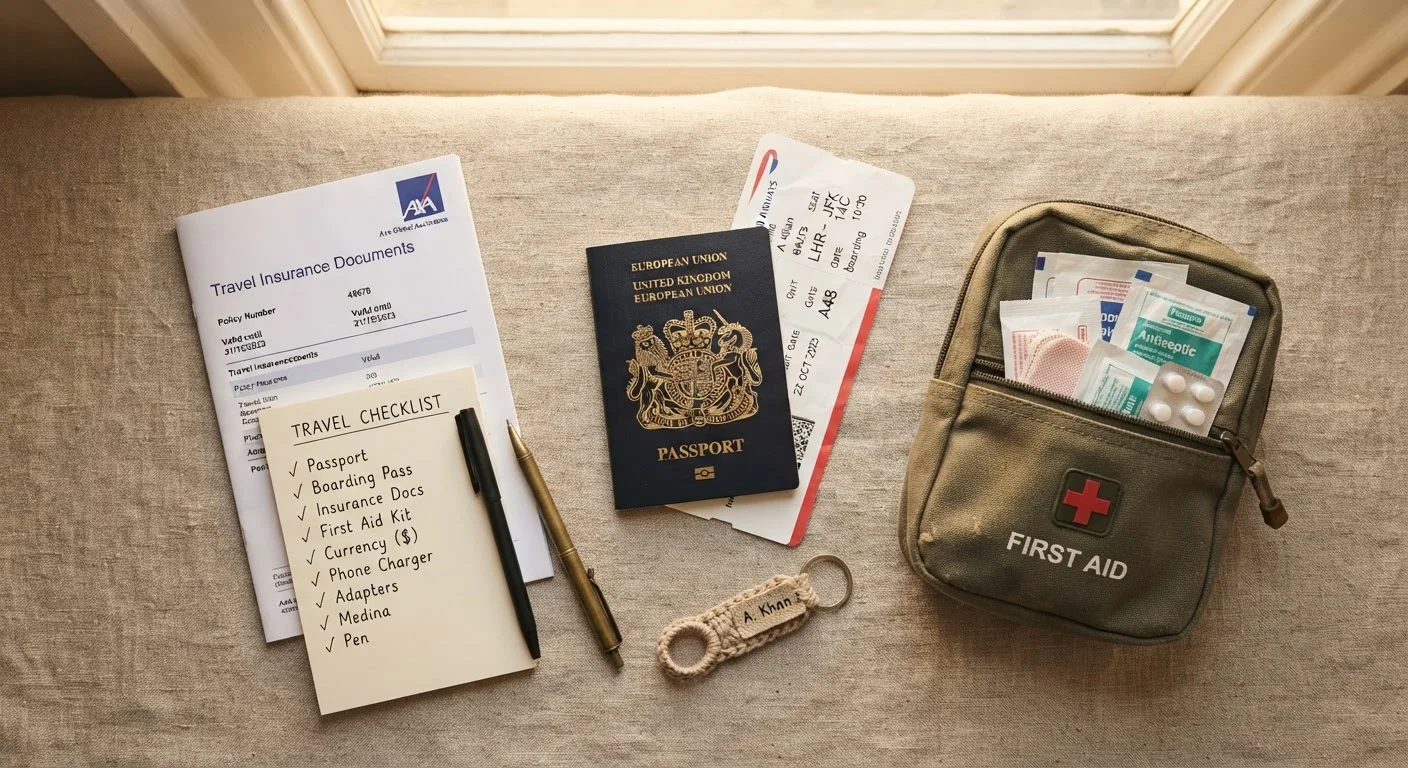
Photo credit: QuickInsights.net
In this article
Use this practical checklist to confirm your documents, health prep, emergency contacts, and insurance are all in order before departure.
Key Takeaways
- Verify passport validity and visa requirements well before your departure date - many countries require 6 months of remaining validity.
- Store digital copies of all critical documents in a secure, accessible cloud location separate from your physical copies.
- Travel insurance that covers medical evacuation is worth understanding before you need it - not after.
- Share your full itinerary and emergency contacts with someone you trust at home.
- Check government travel advisories for your destination at least once close to your departure date.
- Confirm prescription medications are legal at your destination and carry enough supply plus a buffer.
Why a Safety Checklist Matters More Than You Think
Most travel problems aren't random bad luck - they're the predictable result of things that weren't confirmed before departure. A missed visa requirement, a lapsed passport, an unverified health advisory, or a missing emergency contact can turn a straightforward trip into a stressful ordeal. This checklist exists to close those gaps before you board.
Whether you're heading abroad for the first time or you're a seasoned traveler who wants a structured refresh, working through these items systematically gives you something more valuable than gear or apps: genuine confidence. If you're just beginning to build your travel safety knowledge, the foundational safety guide for first-time travelers is a strong complement to this checklist.
Use the groups below as a structured audit. Check items off one by one, and don't skip categories that feel familiar - those are often where oversights hide.
Government Travel Advisory Website
Check destination-specific safety advisories and entry requirements from your home country's official foreign affairs department.
Traveler Registration Program (e.g., STEP)
Register your international trip so your government can reach you in an emergency or natural disaster.
Secure Cloud Storage
Store encrypted digital copies of your passport, insurance, and other key documents accessible from any device.
Travel Medicine Clinic
Get destination-specific vaccination and health advice from a provider who specializes in travel medicine.
Offline Maps App
Download maps of your destination for use without a data connection in case of connectivity loss.
Travel Insurance Policy Documents
Keep a digital and physical copy of your policy, emergency assistance number, and claim instructions accessible throughout your trip.
The Full Pre-Trip Safety Checklist
Work through each group in order. Items marked must are non-negotiable for a safe, legal departure. Should items are strongly recommended for most trips. Nice-to-have items add meaningful protection without being essential in every situation.
Travel Documents
Health & Medications
Travel Insurance & Emergency Contacts
Destination Safety Research
Financial & Communication Preparedness
For in-depth guidance on protecting your documents and money once you're on the road, see our article on keeping your money and documents safe while traveling. If you're visiting a remote or off-grid destination, the additional preparation steps outlined in this pre-trip reality check for remote destinations are worth running through as well.
Don't Rely on Last-Minute Visa Research
Visa requirements can change with little public notice, and processing times for some countries run several weeks or longer. Discovering a visa gap at the airport typically means a denied boarding - not a quick fix. Research entry requirements as soon as your destination is confirmed and verify again about a week before departure using official government immigration sources.
After the Checklist: Your Last Steps Before the Door
Once every item is confirmed, do a final 10-minute review the evening before departure. Confirm your flight time and terminal, verify that your transportation to the airport is arranged, and check that physical documents are in the bag you're carrying onto the plane - not checked luggage.
Let someone at home know your full itinerary: flights, accommodations, and a rough daily plan for the first few days. If your plans change significantly during the trip, update them. This single habit is one of the most consistently recommended practices by emergency consular services worldwide.
For a broader pre-departure review that also covers home security and everyday logistics before you leave, the pre-departure checklist every traveler should run through pairs well with this safety-focused version. And if you're planning international travel for the first time, this end-to-end international trip planning framework walks through the full process from visa research to re-entry.
Medical Evacuation Can Cost Tens of Thousands of Dollars
Standard health insurance policies - including many domestic U.S. plans - frequently do not cover emergency medical evacuation from a foreign country. Out-of-pocket costs for air ambulance services can reach $50,000 or more depending on the destination and circumstances. Before purchasing any travel insurance, carefully review whether medical evacuation is included and what conditions trigger that coverage. This is not a component to assume is present - confirm it explicitly.
This article is for general informational purposes only. Travel conditions, entry requirements, visa rules, and health advisories change frequently. Always verify current requirements with official government sources - including your country's foreign affairs or state department website and the destination country's immigration authority - before traveling.

Author
Travel Editorial Team
Travel Editorial Team is the collective byline for our editorial team and contributor network. Articles published under this byline or an editorial pen name are researched, written, and reviewed according to our editorial standards for clarity, consistency, and independence before publication.
View all articles →