
Planning Your First Trip to India: What No One Tells You Before You Go
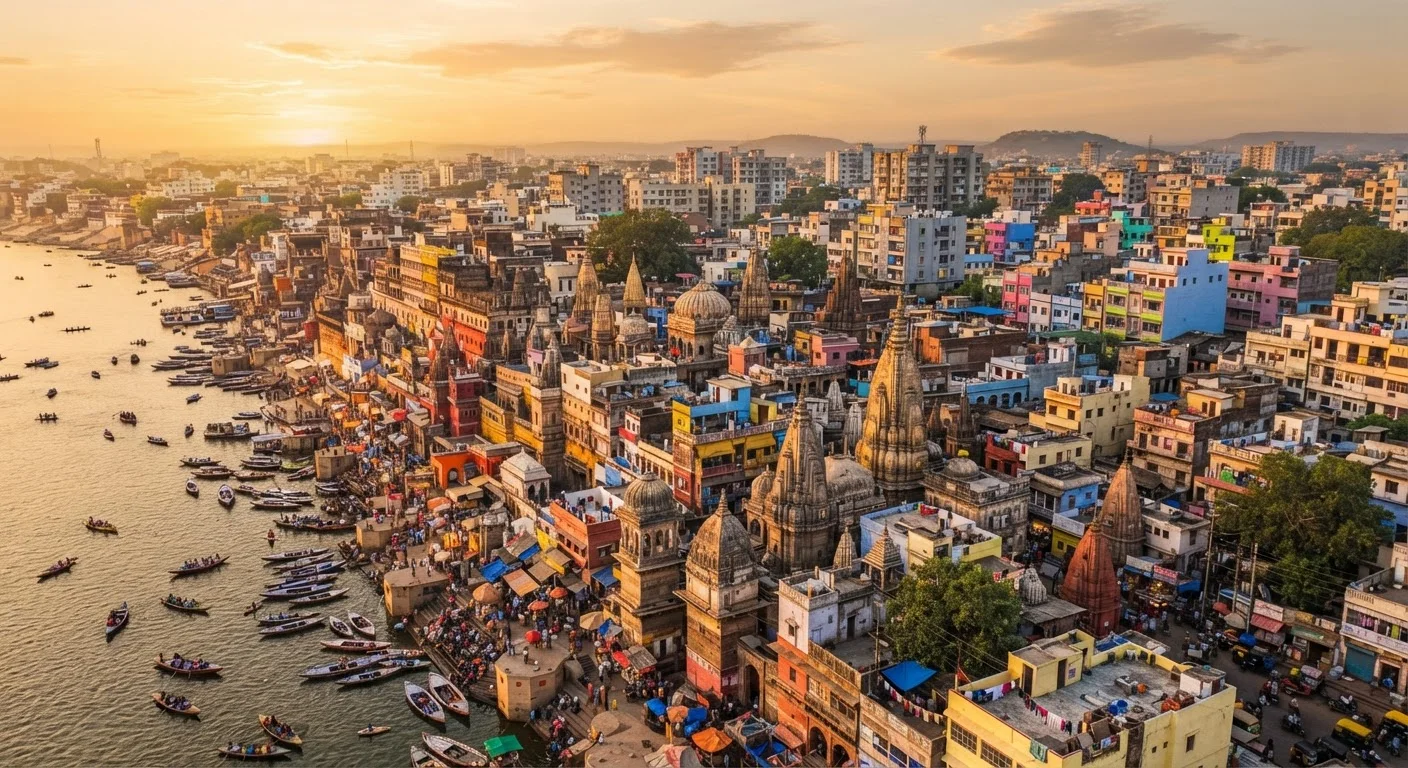
Photo credit: QuickInsights.net
In this article
India's scale and variety can overwhelm first-time visitors. This grounded introduction covers what shapes the experience before any itinerary is set.
Key Takeaways
- India is not one destination - its regions differ in language, food, climate, and cultural character.
- Most American travelers need a visa before arrival; requirements should be verified with official sources.
- Health preparation, including vaccinations and food safety awareness, matters more than for many destinations.
- Pacing is the most underestimated factor - first-time visitors consistently try to cover too much ground.
- Sensory intensity is real: crowds, noise, and heat can be managed with the right expectations and planning.
Why India Requires a Different Kind of Preparation
India is frequently described as overwhelming - and that description, while accurate, rarely comes with the context that makes it useful. The country is the size of a continent, home to over a billion people, more than a dozen major languages, and a range of climates that spans Himalayan alpine zones to tropical coastlines. Treating it as a single destination - the way you might plan a trip to France or Japan - is the first mistake most first-time visitors make.
If you're building your trip from scratch, it's worth reading our practical starting point for first-time travelers before diving into India-specific logistics. The core planning skills transfer; what changes is the degree of preparation required.
Start with a Focused Region, Not a Grand Tour
First-time visitors who pick one or two regions and explore them thoroughly consistently report more satisfying trips than those who rush across the country. India rewards depth over breadth, especially when you're still calibrating to the pace and logistics of travel there.
Understanding India's Regional Variety
One of the most useful mental shifts is thinking of India as a collection of distinct regions rather than a single experience. Rajasthan in the northwest offers desert forts and palatial architecture. Kerala in the south is defined by backwaters, spice plantations, and a slower coastal tempo. The northeast states - Sikkim, Meghalaya, Assam - are ecologically and culturally distinct from anywhere else in the country. Goa draws beach travelers and has its own Portuguese-inflected history.
This variety means the right destination depends entirely on what you're looking for. Someone drawn to temples and history will have a different journey than someone chasing wildlife or mountain trekking. The contrast with other complex multi-regional destinations is instructive - our piece on what first-time visitors to Southeast Asia get wrong covers similar terrain and is worth reading alongside this one.
e-Visa
An electronic travel authorization issued by the Indian government that allows eligible foreign nationals to visit for tourism or other purposes without visiting a consulate in person. It is applied for online.
Travel medicine clinic
A medical practice that specializes in health preparation for international travel, including destination-specific vaccinations, malaria prevention, and advice on food and water safety.
Monsoon season
The annual period of heavy seasonal rainfall across much of India, typically running from June through September. Timing varies by region and affects accessibility, pricing, and tourism conditions significantly.
Regional circuit
A travel route that concentrates on a specific geographic area rather than crossing the whole country. For India, common circuits include the Golden Triangle in the north or Kerala in the south.
Buffer day
An unscheduled day built into a travel itinerary to absorb delays, unexpected opportunities, or simple rest - particularly important in destinations with unpredictable transport.
Entry, Visas, and Health Logistics
Most American citizens are eligible for India's e-Visa system, which covers tourism and is applied for online through the official Indian government portal. Processing times and eligibility can change, so verify current requirements through both the Indian immigration authority and the U.S. State Department's India travel page well before booking flights. Some travelers also need to check whether their planned activities - such as trekking in protected border zones - require additional permits.
Health preparation is not optional. A travel medicine clinic or your primary care physician can advise on vaccinations appropriate for your itinerary and health history. Hepatitis A and typhoid are commonly recommended; malaria prophylaxis is relevant in certain regions. Food and water safety is a consistent concern: sealed bottled water, cooked food from busy, high-turnover establishments, and caution with raw produce go a long way. If you're considering any remote or off-grid portions of your trip, our pre-trip reality check for remote destinations covers the infrastructure questions worth asking before you commit.
This article is for general informational purposes only. For personal health guidance before international travel, consult a licensed healthcare professional or travel medicine specialist.
How to Set Realistic Expectations
Sensory intensity is real and worth acknowledging honestly. Major Indian cities are loud, dense, and fast-moving. Scent, sound, color, and crowd density arrive simultaneously in ways that can be exhilarating and exhausting within the same hour. Travelers who enter expecting difficulty - and approach it with curiosity rather than resistance - consistently report better experiences than those who expect it to resemble other international destinations they've visited.
Infrastructure varies dramatically. A five-star hotel in Mumbai operates at global standards; a guesthouse in a rural town may not have reliable hot water. Traffic in major cities does not follow conventions familiar to American drivers. Trains - which are the backbone of long-distance travel - run on their own rhythms. Delays are common and rarely announced in advance. Building in buffer time is not pessimism; it's logistics. See our foundational travel safety guide for a practical framework on staying oriented in unfamiliar environments.
Don't Underestimate Travel Time Between Cities
India's size means that moving between major destinations takes far longer than a map suggests. A train journey between two cities can be 12 to 18 hours even on express routes. Domestic flights save time but add airport logistics. Always verify current schedules and allow buffer days - itineraries built too tightly tend to unravel quickly.
Building Your First India Itinerary
The most common first-trip mistake is geographic overreach. A two-week itinerary that tries to cover Delhi, Rajasthan, Kerala, and Varanasi sounds ambitious on paper - and exhausting in practice, once you factor in flight connections, train travel, and the energy cost of constant movement. Choosing one or two regions and going deep into them produces a more grounded experience than skimming the surface of five.
A focused northern circuit - Delhi, Agra, Jaipur - is manageable in ten days and covers an enormous amount of cultural and historical ground. A southern immersion through Tamil Nadu and Kerala rewards travelers interested in temple architecture, coastal landscapes, and cuisine. Whatever the region, pace matters more than coverage. Our guide on building a functional itinerary outlines the structural principles that prevent common planning errors - especially relevant when the destination is as logistically complex as India.
Ultimately, the goal of a first trip is not to see everything. It is to understand the country well enough to want to return.
Frequently Asked Questions

Author
Travel Editorial Team
Travel Editorial Team is the collective byline for our editorial team and contributor network. Articles published under this byline or an editorial pen name are researched, written, and reviewed according to our editorial standards for clarity, consistency, and independence before publication.
View all articles →