
What First-Time Visitors to Southeast Asia Consistently Get Wrong About the Region
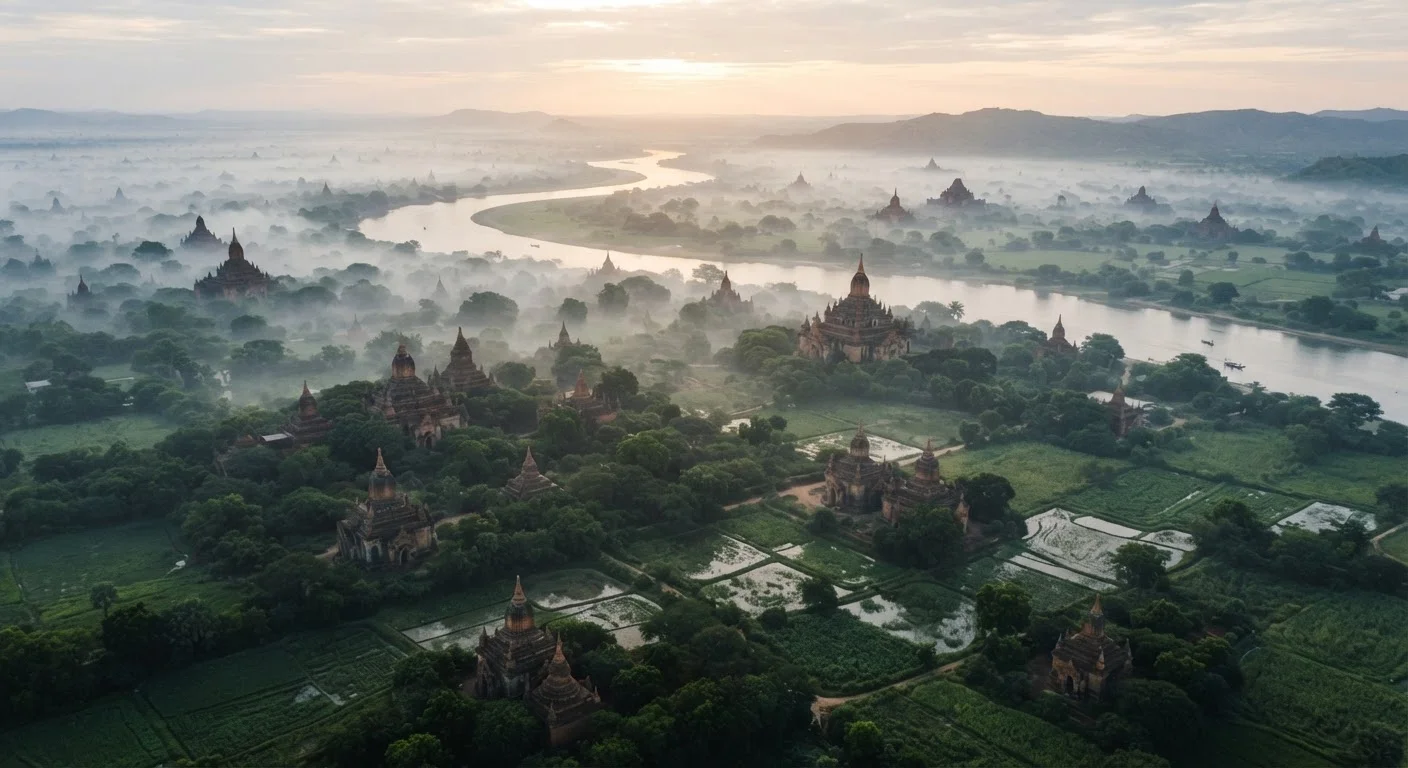
Photo credit: QuickInsights.net
In this article
Southeast Asia is often misunderstood before arrival. Learn which common assumptions lead travelers astray and what the region is actually like.
Key Takeaways
- Southeast Asia is not a single destination - each country has a distinct culture, language, and travel character.
- The region's popular tourist zones represent a narrow slice of what's actually there.
- Visa rules, safety conditions, and infrastructure vary significantly from country to country.
- Monsoon season doesn't shut down travel - timing and destination choice determine your experience.
- Budget travel is possible, but the cheapest option isn't always the safest or most rewarding one.
Why Misconceptions About Southeast Asia Run So Deep
Southeast Asia gets compressed into a single mental image surprisingly often: street food, beach resorts, temples, and low prices. That image isn't false - but it's dangerously incomplete. First-time visitors who arrive expecting a homogeneous region tend to make planning decisions that don't hold up on the ground.
The region spans eleven countries, dozens of languages, and an enormous range of political systems, religious traditions, infrastructure levels, and travel environments. Thailand and Myanmar share a border but feel nothing alike. Vietnam runs nearly 1,000 miles from north to south - a journey that crosses climates, cuisines, and cultural norms as distinct as crossing multiple European countries.
Getting expectations calibrated before you go - rather than correcting them mid-trip - is one of the most practical things a first-time visitor can do. For a broader look at how misread destinations lead to trip frustration, see how traveler expectations lead to avoidable disappointment.
Myth
Southeast Asia is essentially one place - once you've seen part of it, you understand the whole region.
Fact
Each country in the region is culturally, linguistically, and logistically distinct. Treating them as interchangeable leads to poor planning decisions.
Cambodia, Laos, Thailand, Vietnam, Indonesia, the Philippines, Malaysia, Myanmar, Singapore, Brunei, and Timor-Leste are eleven sovereign nations with separate histories, religions, and governance systems. The food, etiquette, infrastructure, and even the pace of daily life shift substantially at each border. Planning a multi-country itinerary as if moving through one continuous destination routinely produces itineraries that are too rushed and expectations that don't match any individual stop.
Myth
Monsoon season means constant rain that ruins any outdoor plans.
Fact
Monsoon patterns are highly localized, and many parts of Southeast Asia remain perfectly visitable during their rainy seasons.
The region has multiple distinct monsoon systems, and they don't arrive or depart at the same time everywhere. While the west coast of Thailand may be wet in June, the Gulf coast and much of Vietnam can be sunny. Rain often falls in concentrated afternoon showers rather than all-day downpours. Travelers willing to research seasonal conditions by specific destination - rather than avoiding the whole region - often find shoulder-season trips less crowded and more affordable.
Myth
Tourist hotspots represent what Southeast Asia is really like.
Fact
The most-visited sites are often the least representative of everyday life in those countries.
Khaosan Road in Bangkok, the Old Quarter in Hanoi, or Kuta Beach in Bali are real places, but they've been shaped heavily by decades of mass tourism. Neighboring communities, secondary cities, and rural areas often feel entirely different in character, pace, and cultural expression. Visitors who limit themselves to the most famous nodes leave with an accurate picture of tourism infrastructure - but a limited picture of the destination itself.
Myth
Visa entry is basically the same everywhere in the region, or easy to sort out on arrival.
Fact
Visa requirements vary significantly by destination and by the traveler's nationality, and some require advance applications.
Some countries offer visa-on-arrival or e-visa programs for many nationalities; others require embassy applications weeks in advance. Rules change regularly, and overstaying a visa - even accidentally - carries real legal consequences. What applied on your last trip, or what a fellow traveler experienced, may not apply to your passport or your travel dates. Always verify requirements directly through official government sources before booking.
Myth
The cheapest approach to travel is always safe enough in Southeast Asia.
Fact
Low-cost options in transportation, accommodation, and tours carry risks that vary by context and require real evaluation.
Budget travel is genuinely feasible across much of Southeast Asia, but not all low-cost options carry equivalent risk. Overnight buses on mountain roads, unlicensed boat operators, and unvetted guesthouses in remote areas have produced serious incidents for travelers. The question isn't whether to travel affordably - it's how to distinguish cost savings from corner-cutting on safety. Checking operator licensing, reading current traveler reports, and understanding what travel insurance covers (and doesn't) are all part of that evaluation.
What Getting It Right Actually Looks Like in Practice
Correcting these misconceptions doesn't require becoming an expert - it requires asking more specific questions during the planning phase. Instead of researching "Southeast Asia," research the specific country, region, and season you're visiting. Entry requirements, health precautions, and local customs all deserve country-level attention, not regional generalizations.
Don't Rely on Outdated or Secondhand Entry Information
Visa rules, vaccination requirements, and border crossing policies in Southeast Asia can change without much notice. Information shared in travel forums or remembered from a friend's trip a few years ago may no longer be accurate. Always verify entry requirements through your home country's official foreign affairs or state department website, as well as the destination country's immigration authority, before finalizing any travel plans.
Before travel, verify current visa requirements through each country's official immigration authority or your home government's travel portal. Entry rules change, and third-party summaries are often outdated. Similarly, check official government travel advisories - not just for safety, but for practical guidance on local law, which can differ sharply from what visitors assume.
Travelers new to international trips will find it worth reviewing foundational safety habits before departure. The core safety principles for first-time travelers covers those essentials clearly. And because Southeast Asia's risk profile gets misread as often as everything else about the region, it's also worth checking which travel safety myths give a false sense of security.
The goal isn't to be anxious - it's to be prepared. Visitors who arrive with accurate expectations consistently report more satisfying trips, because they're engaging with what's actually there rather than managing the gap between expectation and reality.

Author
Travel Editorial Team
Travel Editorial Team is the collective byline for our editorial team and contributor network. Articles published under this byline or an editorial pen name are researched, written, and reviewed according to our editorial standards for clarity, consistency, and independence before publication.
View all articles →