
Underestimated African Destinations That Reward Curious Travelers
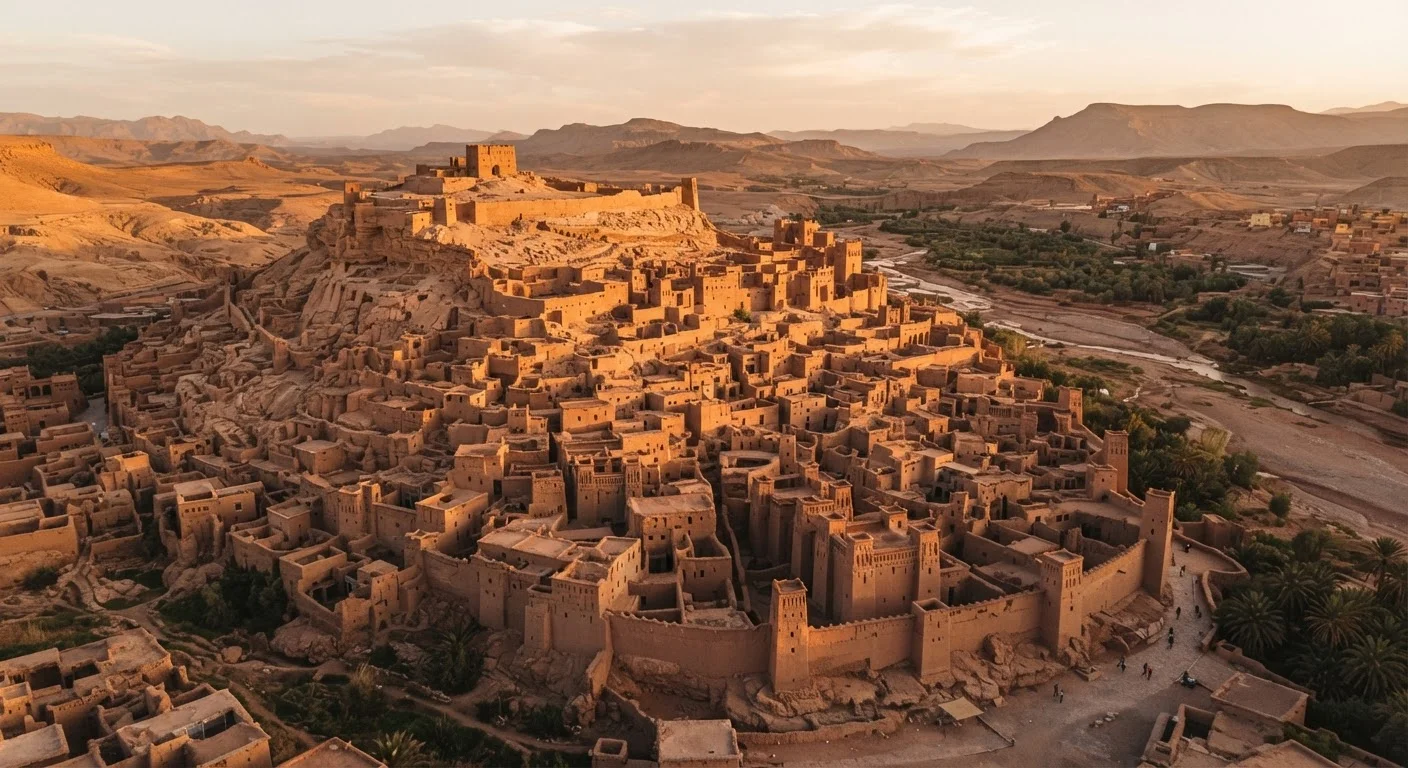
Photo credit: QuickInsights.net
In this article
Beyond the safari circuit, Africa holds ancient cities, volcanic islands, and desert coastlines that few itineraries include. Here's a closer look at several.
Key Takeaways
- Several African countries beyond the safari circuit offer remarkable history, landscapes, and cultural depth.
- Matching a destination's strengths to your personal travel interests leads to more satisfying trips.
- Entry requirements, health precautions, and local safety conditions vary significantly - always verify before booking.
- Infrastructure and traveler services differ widely; research logistics carefully for remote or emerging destinations.
- These destinations reward curious, flexible travelers willing to do a bit more pre-trip preparation.
Why Africa's Underrated Destinations Deserve a Closer Look
Most Africa itineraries cluster around a familiar circuit - Kenya and Tanzania for wildlife, South Africa for wine country and coasts, Egypt for antiquities. These are genuinely worthwhile destinations, but they represent a narrow slice of a continent with 54 countries and extraordinary geographic and cultural variety.
The destinations below rarely appear on mainstream itineraries, yet each offers something distinct: volcanic archipelagos, medieval Islamic scholarship, desert-meets-ocean coastlines, and highland plateaus that feel like another planet. If you're the kind of traveler who cares more about depth than checkboxes, these places tend to deliver.
Before committing to any off-the-beaten-path destination, it's worth doing a rigorous pre-trip review. Our guide on what to verify before booking a remote destination walks through the logistics, safety, and entry-requirement checks that matter most. It's also useful to understand how misreading a destination leads to avoidable disappointment - especially when visiting a place with limited traveler reviews to draw from.
Somaliland: An Unrecognized State with a Compelling Identity
Somaliland is a self-declared republic in the Horn of Africa that has maintained relative stability and its own government since 1991, though it is not internationally recognized as a sovereign nation. That unusual status means few travelers consider it - which is precisely why those who do find it striking.
Hargeisa, the capital, has a functioning urban culture with tea houses, markets, and a population proud of its distinct identity. The prehistoric rock art at Laas Geel, located just outside the city, dates back thousands of years and is considered one of the finest examples of cave painting in sub-Saharan Africa. Travelers should research entry procedures carefully, as the region's political status affects documentation and logistics.
Laas Geel's cave paintings are among the finest prehistoric rock art sites in sub-Saharan Africa.
São Tomé and Príncipe: Volcanic Islands in the Gulf of Guinea
This two-island archipelago sits near the equator off the coast of Central Africa and was uninhabited before Portuguese settlers arrived in the 15th century. The result is a Creole culture unlike anywhere on the African mainland, set against dense equatorial rainforest, volcanic peaks, and cocoa plantations that date back centuries.
The islands draw travelers interested in birding - São Tomé has a high rate of endemic species - as well as those seeking a genuinely quiet coastal experience. Access typically requires a connecting flight through Lisbon or a West African hub, and visitor infrastructure is limited but present. The unhurried pace is part of the point.
São Tomé's endemic bird species and colonial-era cocoa farms offer a rare combination found nowhere else in Africa.
Djibouti: Where Desert Meets the Red Sea
Djibouti is a small country at the intersection of the Red Sea and the Gulf of Aden, and its landscape is one of the most extreme on earth. Lake Assal sits more than 150 meters below sea level - the lowest point in Africa - and is surrounded by salt flats and volcanic formations that look almost extraterrestrial.
Whale shark aggregations in the Gulf of Tadjoura attract divers and snorkelers between November and February most years, though seasonal patterns can vary. The country's small size and relatively stable government make logistics more straightforward than some neighbors, though travelers should check current advisories given regional dynamics.
Lake Assal, Africa's lowest point, sits amid salt flats and volcanic terrain that feel unlike anywhere else on the continent.
Eritrea: Italian Colonial Architecture in East Africa
Asmara, Eritrea's capital, has a concentration of Art Deco and Futurist architecture from the Italian colonial period that earned it UNESCO World Heritage status. Walking its streets, you encounter cinemas, filling stations, and apartment buildings that look like they belong in 1930s Rome - an incongruity that makes the city genuinely fascinating.
Eritrea maintains strict entry and media policies, and travel there requires meaningful preparation and flexibility. The country is not a destination for travelers who want frictionless logistics. For those willing to navigate its particular requirements, the experience of Asmara - unhurried, architecturally extraordinary - is unlike any other city in East Africa. Verify current entry procedures through official channels well in advance.
Asmara's UNESCO-listed Art Deco streetscape is one of the most architecturally coherent colonial-era cities in the world.
Malawi: The Warm Heart of Africa's Great Rift
Lake Malawi stretches nearly 360 miles along the country's eastern border and contains more species of fish than any other lake on earth, making it a destination for freshwater snorkeling and diving that's genuinely unusual in a global context. The surrounding landscape - granite mountains, tea highlands in the south, wildlife reserves - gives the country more variety than its size suggests.
Malawi is frequently cited by travelers as one of the most welcoming countries in Africa, though individual experiences vary and that reputation shouldn't substitute for careful preparation. It also tends to be more affordable than Southern Africa's better-known safari destinations, making it accessible to a wider range of travelers. It pairs logistically well with neighboring Zambia or Tanzania.
Lake Malawi holds more freshwater fish species than any other lake on earth, making it a world-class snorkeling destination.
Mauritania: Desert Cities and Atlantic Coastlines
Most travelers pass over Mauritania on their way to somewhere else, which means the ancient caravan city of Chinguetti - a UNESCO site and one of Islam's historically significant cities - sees relatively few foreign visitors. The surrounding Saharan landscape, with its enormous dunes and dry river valleys, is the backdrop for one of West Africa's most distinctive travel experiences.
The Atlantic coast offers a counterpoint: the Banc d'Arguin National Park is a critical stopover for migratory birds traveling between Europe and sub-Saharan Africa, and the fishing communities of the Imraguen people maintain traditions that have continued for generations. Road conditions outside the capital can be challenging; 4WD vehicles and experienced guides are typically necessary for interior travel.
Chinguetti, one of Islam's historically significant cities, stands at the edge of the Sahara and draws almost no tourist crowds.
Planning Your Visit: Practical Considerations
Each destination in this list sits at a different point on the traveler-infrastructure spectrum. São Tomé and Príncipe, for instance, has limited flight connections and a small hospitality sector; Eritrea has notable entry restrictions and a different media environment than most travelers are accustomed to. Researching these specifics - not just the highlights - is what separates a smooth trip from a frustrating one.
Match the Destination to Your Travel Style
Before committing to any of these destinations, be honest about your tolerance for infrastructure gaps - unreliable internet, limited medical facilities, or few English speakers. Some travelers find these conditions part of the appeal; others find them stressful. Knowing which type you are before you book saves real frustration later. Our guide on common travel safety myths is a useful reality check for anyone venturing into less-touristed territory.
Health and safety preparation also varies meaningfully. Malaria prophylaxis, yellow fever vaccination requirements, and travel advisories from your government's foreign affairs department should all factor into your planning. Verify current conditions through official sources; information changes and traveler blogs may lag behind reality.
If you're building out an itinerary around one of these destinations, a well-structured trip plan can help you balance immersive time in one place against the logistics of getting there. And if Africa's north is on your radar alongside any of these, it's worth understanding how Morocco's coastal and inland regions differ before combining them into a single trip.
This article provides general travel information for educational purposes. Entry requirements, health precautions, safety conditions, and travel advisories change regularly. Always consult official government sources and qualified travel health professionals before planning international travel.

Author
Travel Editorial Team
Travel Editorial Team is the collective byline for our editorial team and contributor network. Articles published under this byline or an editorial pen name are researched, written, and reviewed according to our editorial standards for clarity, consistency, and independence before publication.
View all articles →