
Natural Disasters Abroad: How Travelers Can Assess Risk and Plan Accordingly
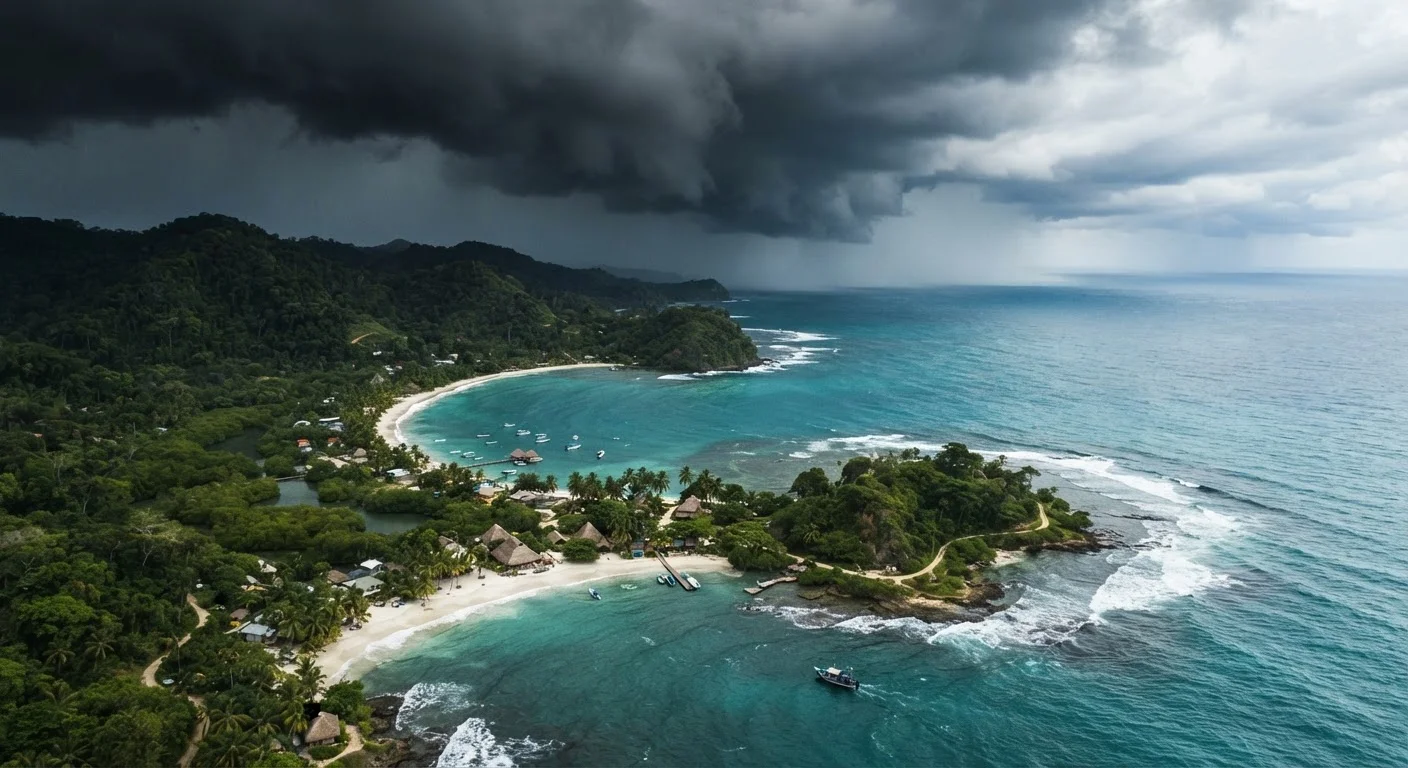
Photo credit: QuickInsights.net
In this article
Earthquakes, floods, and tropical storms don't follow itineraries. Learn how to evaluate seasonal and regional risks before choosing a destination.
Key Takeaways
- Natural disaster risk varies significantly by region and season - timing your trip matters as much as where you go.
- U.S. government and international agencies publish free, regularly updated hazard and advisory information travelers should consult before booking.
- Travel insurance with trip interruption and evacuation coverage is a critical safeguard when visiting higher-risk destinations.
- Registering with the U.S. Embassy through STEP gives you access to emergency alerts and assistance if conditions deteriorate.
- A written emergency plan - including exit routes and local emergency contacts - can make the difference in a fast-moving disaster.
Why Natural Disaster Risk Belongs in Your Pre-Trip Research
Most travelers check flight prices and hotel reviews before booking a trip. Far fewer check whether their chosen destination sits in a seismic zone, a flood plain, or a tropical cyclone corridor. That gap in planning can turn an otherwise smooth trip into a dangerous situation.
Natural hazards are a fact of geography - not a reason to avoid travel, but a reason to travel informed. Earthquakes are concentrated along known fault lines in regions like the Pacific Rim, Central America, and parts of southern Europe. Tropical storms and hurricanes follow seasonal patterns in the Atlantic, Pacific, and Indian Oceans. Flooding, wildfires, and volcanic activity each have their own regional and seasonal profiles.
The good news is that this information is widely available and not difficult to interpret. A modest amount of research before you book - maybe 30 to 45 minutes - can meaningfully change your planning. For a deeper foundation on overall travel safety, see our foundational travel safety guide before diving into destination-specific hazards.
How to Evaluate Natural Hazard Risk for Any Destination
Risk assessment doesn't require specialist training. The following steps walk you through a practical pre-trip review that any traveler can complete using publicly available resources.
Identify Your Destination's Known Hazard Types
Start with basic geography. Look up whether your destination sits in a seismically active zone, a cyclone-prone region, or an area with seasonal flooding or wildfire risk. The UNDRR and FEMA both publish regional hazard overviews. Wikipedia's country pages often include a reliable summary of natural hazards as a starting point.
Cross-Reference with Your Travel Dates and Seasonal Patterns
Many natural disasters follow predictable seasonal windows. The Atlantic hurricane season runs from June through November. Monsoon flooding across South and Southeast Asia typically peaks between June and September. Japan's typhoon season concentrates in late summer and early fall. Match your planned travel window against these patterns to identify elevated-risk periods.
Consult U.S. State Department and NOAA Resources
The U.S. Department of State's country information pages (travel.state.gov) include sections on natural disaster risks alongside safety and entry information. NOAA's National Hurricane Center tracks active storms in real time. For earthquake hazard maps, the U.S. Geological Survey (USGS) publishes global seismic hazard data that is publicly accessible and regularly updated.
Check Local Emergency Infrastructure
A destination's risk level isn't only about the hazard itself - it's also about how prepared local systems are to respond. Look into whether the country has an established disaster warning system, functioning emergency services, and accessible evacuation infrastructure. This context helps you gauge how quickly help could reach you if something went wrong.
Note Any Recent Events or Elevated Conditions
Past events can signal elevated near-term risk. A region that experienced a major earthquake may face heightened aftershock activity. Areas recovering from severe flooding may have compromised infrastructure. Check recent news from credible outlets and the State Department's alerts page for any advisories tied to current conditions at your destination.
Keep in mind that a country's official advisory level and its actual natural disaster risk are not always aligned - a destination can carry a low political advisory but a high seasonal storm risk. Our companion piece on destination risk versus advisory level explains how to weigh both signals together.
Verify All Safety Information Before You Travel
Hazard data, travel advisories, and emergency contact details change. Any information you find during pre-trip research - including in this article - should be confirmed with official government sources (such as travel.state.gov) close to your departure date. Do not rely solely on what was accurate at the time of booking.
Before You Go: Tools, Insurance, and Emergency Planning
Once you've assessed the hazard profile of your destination, the next step is building practical safeguards into your trip. Three areas deserve specific attention.
Travel Insurance with the Right Coverage
Standard travel insurance often covers trip cancellation due to weather, but the details matter. Look for policies that include trip interruption (coverage if a disaster strikes mid-trip), emergency evacuation, and travel delay provisions. Read policy language carefully - coverage triggered by a named storm that was already forecasted before purchase may be excluded. A licensed insurance professional can help you understand what a specific policy actually covers for your situation.
Registering with the Smart Traveler Enrollment Program (STEP)
The U.S. Department of State's free STEP program lets you register your trip with the nearest U.S. Embassy. In the event of a natural disaster, the Embassy can send emergency alerts, help locate U.S. citizens in the affected area, and facilitate contact with family back home. Registration takes about five minutes at travel.state.gov and is one of the most underused safety tools available to American travelers.
Writing a Simple Emergency Plan
Before departure, note the address and phone number of your country's nearest Embassy or Consulate, identify the local emergency services number (it's not always 911), and confirm your accommodation's evacuation procedures. Share your itinerary with someone at home. Remote destinations warrant additional preparation - our article on urban versus remote travel safety outlines how planning shifts depending on how far off the grid you're going.
Download Offline Maps and Emergency Contacts
In a natural disaster, internet and cell service are often the first things to fail. Before departure, download offline maps of your destination to your phone and save local emergency numbers, your Embassy's address, and your insurance provider's emergency line in a printed or offline format. A small laminated card in your wallet can be a practical backup.
Adjusting Plans Based on What You Find
Not every risk requires canceling a trip. The appropriate response depends on the type, likelihood, and severity of the hazard - and on your own comfort level and travel experience.
If your research reveals that your travel window overlaps with peak hurricane season, for example, you might choose to shift dates, select a destination outside the storm corridor, or proceed with robust insurance and a clear emergency plan. Timing adjustments are often the simplest fix - understanding what peak and off-season travel actually means for a destination helps you map seasonal hazards onto your calendar more accurately.
For destinations where conditions can shift rapidly - including those with political volatility layered onto natural hazard risk - it's worth knowing in advance what signals would prompt you to change plans. Our article on traveling during political unrest covers a parallel decision-making framework for fast-moving situations abroad.
Ultimately, the goal of natural disaster risk planning isn't to avoid all uncertainty - it's to make sure you're not caught by surprises that were knowable in advance.

Author
Travel Editorial Team
Travel Editorial Team is the collective byline for our editorial team and contributor network. Articles published under this byline or an editorial pen name are researched, written, and reviewed according to our editorial standards for clarity, consistency, and independence before publication.
View all articles →