
What 'Peak Season' and 'Off-Season' Actually Mean for Your Trip
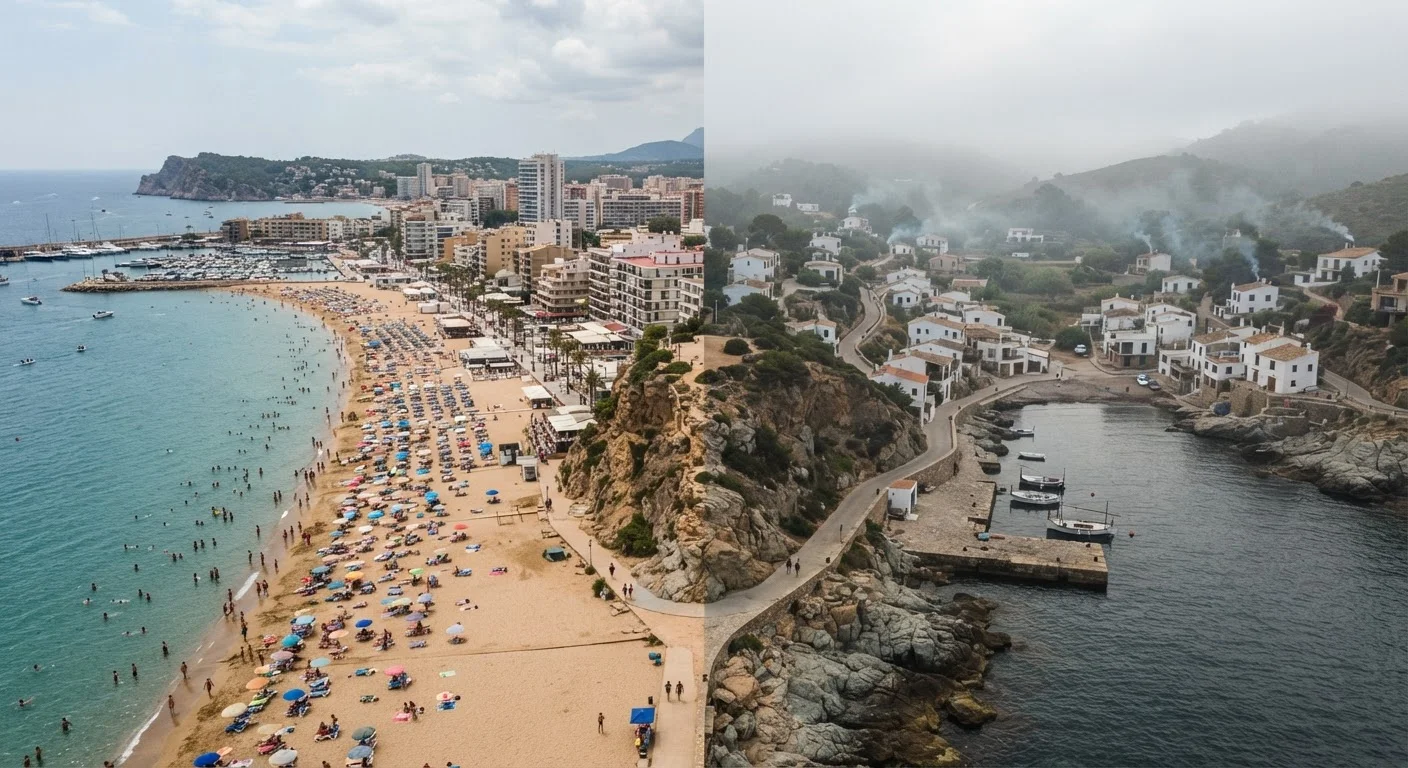
Photo credit: QuickInsights.net
In this article
Seasonality affects crowds, weather, access, and costs. Here's what those terms really mean and how timing shapes the travel experience.
Key Takeaways
- Peak season brings the most favorable conditions but also the highest prices and largest crowds.
- Off-season travel can offer lower costs and a quieter experience, but some services or attractions may be limited or closed.
- Shoulder season - the transition periods - often offers the best balance of conditions, cost, and accessibility.
- Seasonality is destination-specific and driven by climate, local holidays, and regional demand patterns.
- Always verify weather risks, entry requirements, and site availability for your specific travel dates with official sources.
Why Timing Changes Everything About a Trip
When travel writers say a destination is 'best visited in spring,' they're signaling something more practical than personal preference. Timing determines what you'll find when you arrive - whether trails are open, whether tourist infrastructure is running at full capacity, whether accommodation is available, and what you'll pay for all of it.
Peak season, off-season, and shoulder season are shorthand for this relationship between time and travel conditions. Understanding what those labels actually mean - and that they vary widely by destination - is one of the most useful frameworks a traveler can have. It shapes your itinerary planning from the ground up.
3-5×
Price variation between peak and off-season lodging
Hotel rate research across popular leisure destinations commonly shows pricing two to five times higher during peak weeks compared with the same property in low season.
~40%
Drop in international arrivals during off-season months
Tourism analytics from various national boards indicate many destinations see visitor volumes fall 30-50% between their peak and off-season periods, substantially affecting the on-the-ground experience.
What Peak Season Really Means
Peak season is when demand for a destination is at its highest. This typically coincides with optimal weather, major holidays, school breaks, or annual events that draw large numbers of visitors. In practical terms, it means fuller hotels, longer lines at attractions, higher prices across transportation and lodging, and a need to book well in advance.
Peak season isn't inherently bad - it's often peak for good reasons. Beaches are warm, mountain passes are open, festivals are running, and the full tourism infrastructure is available. But travelers who arrive without expecting the volume can find the experience frustrating rather than exhilarating.
What Off-Season and Shoulder Season Actually Offer
Off-season travel comes with trade-offs that are worth understanding clearly before you commit. On the upside: fewer crowds at major sights, lower prices for flights and accommodation, and often a more authentic feel to a destination when it isn't oriented entirely toward visitors. For travelers with flexibility, the budget implications alone can be significant.
The downside is real, though. Some attractions operate on reduced hours or close entirely. Transportation links - particularly ferries, mountain lifts, or regional trains - may run limited schedules. And the weather driving the off-season designation is usually a genuine factor: rain, heat, cold, or storm risk that affects what's possible and comfortable. Always verify what will actually be open and operational for your dates.
Shoulder season - the windows just before and after peak - is where many experienced travelers focus their planning. Conditions are typically still favorable, crowds are noticeably thinner, and prices have begun to ease. It's not a guaranteed sweet spot, but it's worth evaluating deliberately. For destinations with serious weather risks, check our guide on assessing seasonal risk abroad before finalizing shoulder-season dates.
How to Apply This Framework to Your Planning
The most important thing to understand is that peak and off-season are destination-specific, not universal. Iceland's summer peak - driven by the midnight sun and accessible roads - occurs when many Mediterranean beach destinations are also at peak. But Iceland's off-season offers northern lights and a dramatically different atmosphere. What each of Iceland's seasons delivers is a useful model for how to evaluate any destination's seasonal contrasts.
A practical approach: for each destination you're considering, identify what drives its peak (weather, events, school calendars, or regional holidays), what the off-season trade-offs are, and where the shoulder windows fall. Then match those conditions against your own priorities - budget, crowd tolerance, specific experiences, and schedule flexibility.
If you're driving to a destination or renting a vehicle once there, seasonal conditions also affect vehicle readiness. Our seasonal vehicle care guide covers what to check before traveling in temperature extremes.
Travel conditions, prices, weather patterns, and site availability change over time. Always verify current information through official government sources, national tourism boards, and service providers before making travel decisions.
Frequently Asked Questions

Author
Travel Editorial Team
Travel Editorial Team is the collective byline for our editorial team and contributor network. Articles published under this byline or an editorial pen name are researched, written, and reviewed according to our editorial standards for clarity, consistency, and independence before publication.
View all articles →