
Practices That Quietly Extend the Life of Any Vehicle
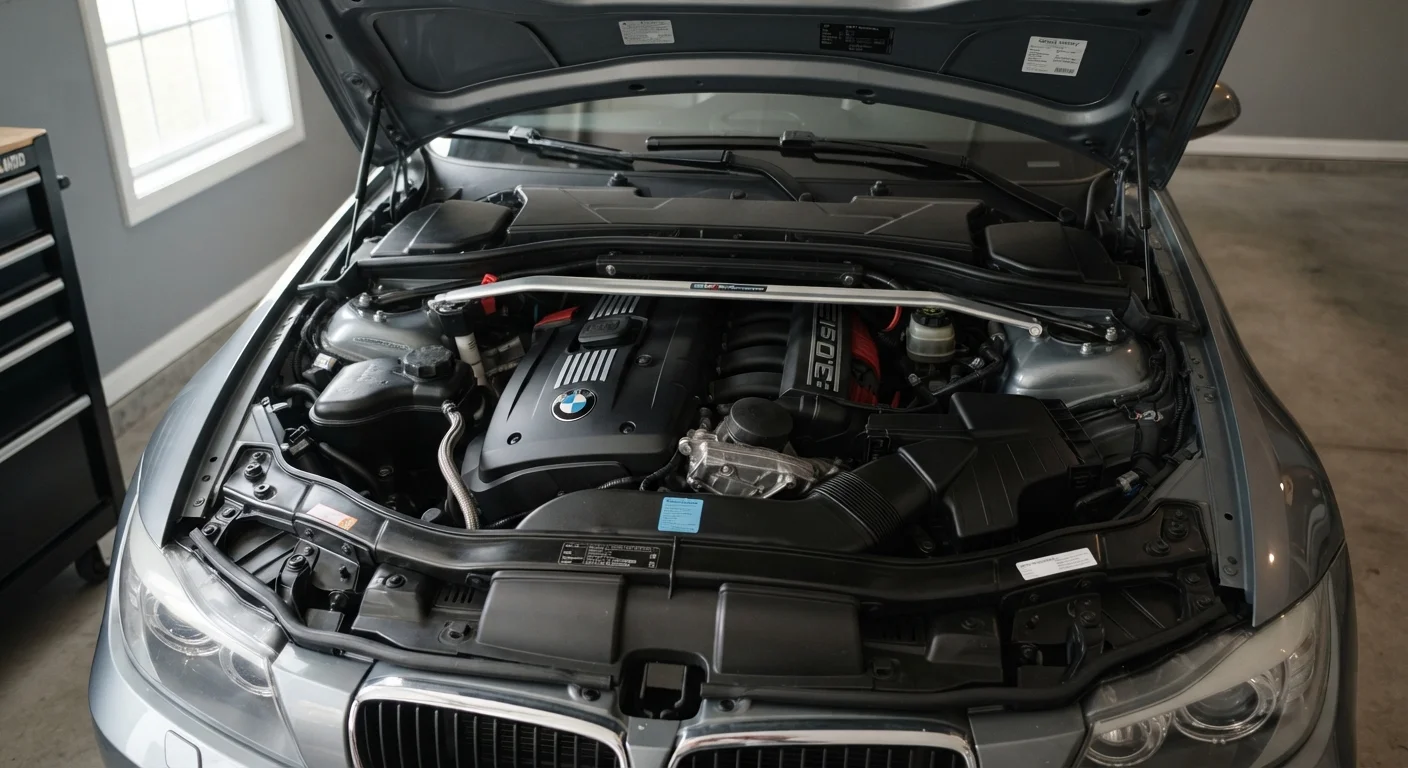
Photo credit: QuickInsights.net
In this article
Long-lasting vehicles aren't just lucky—they're well cared for. These consistent habits reduce wear and help prevent costly breakdowns over time.
Key Takeaways
- Small, routine habits prevent the majority of premature mechanical failures in everyday vehicles.
- Following your owner's manual service intervals is more reliable than relying on memory or generalizations.
- Tire pressure, fluid levels, and braking habits affect vehicle longevity more than most drivers realize.
- Keeping a maintenance log helps mechanics diagnose problems faster and protects resale value.
- Deferring routine service consistently leads to compounding repair costs over time.
Why Longevity Is Mostly a Habit, Not a Lottery
High-mileage vehicles that stay reliable into their second decade rarely got there by accident. The pattern behind them is consistent, unglamorous upkeep - the kind that happens before anything breaks. Understanding this distinction matters because most vehicle failures that feel sudden actually develop over months or years of accumulated neglect.
The practices below apply to virtually any passenger vehicle regardless of make, age, or drivetrain. They won't guarantee any specific outcome, but they represent the habits that separate vehicles that reach 150,000 trouble-free miles from those that don't. For a broader picture of what long-term ownership involves, see everything involved in long-term car ownership.
200,000+
Miles achievable with consistent maintenance
Consumer Reports data shows well-maintained vehicles from multiple manufacturers regularly exceed 200,000 miles without major mechanical failure.
3x
Cost multiplier of deferred vs. routine maintenance
Industry estimates suggest that neglected routine service can result in repair costs roughly three times higher than what consistent upkeep would have cost.
Core Practices That Make the Biggest Difference
These aren't ranked by complexity - they're ranked by the outsized role each plays in reducing cumulative wear over time.
Keeping a record of every service performed is one of the most underused tools available to vehicle owners. A consistent log helps mechanics identify patterns, confirms warranty compliance, and supports resale value. Learn what to track in our guide to keeping a personal vehicle maintenance log.
Owner's Manual Is Your Primary Source
Manufacturer recommendations in the owner's manual are specific to your vehicle's design and engineering tolerances. Generic maintenance advice found online may not account for your make, model year, or driving conditions. When in doubt, the manual takes precedence.
Driving Habits That Quietly Protect Your Vehicle
Mechanical wear doesn't only happen in the shop - it accumulates every time you drive. Abrupt acceleration, hard braking, and ignoring warning lights all shorten component life in ways that aren't immediately obvious but add up significantly over time.
Gradual acceleration and smooth braking reduce stress on brake pads, rotors, tires, and drivetrain components simultaneously. Letting the engine warm up briefly in very cold conditions - rather than immediately driving aggressively - allows oil to circulate properly before heavy loads are placed on internal parts. Cold-weather habits and hot-weather preparation each require their own attention; the seasonal car care guide covers what to inspect as temperatures shift.
Warning lights on the dashboard are sensors doing their job. Addressing a check-engine or low-coolant indicator promptly often prevents a minor issue from becoming a major repair. The real costs of deferred maintenance illustrates how quickly ignored signals compound into expensive problems.
Check Tire Pressure Monthly
Tire pressure fluctuates with temperature - roughly 1 PSI for every 10°F change. A quick monthly check with an inexpensive gauge keeps tires wearing evenly and helps maintain fuel efficiency. Check when tires are cold, before driving more than a mile.
Fuel economy is another quiet signal. If your gas mileage drops noticeably without an obvious cause, it often points to a maintenance need - dirty air filter, underinflated tires, or a failing oxygen sensor. The article on how fuel economy changes as a car ages explains the causes and what can be addressed through routine service.
Start Today: Quick Actions With Lasting Impact
The gap between knowing these practices and actually doing them is where most vehicle longevity is lost. The following actions require no appointment, no special tools, and no mechanical knowledge - just a few minutes of attention.
Vehicles that cross the 100,000-mile mark in good shape often need adjusted care strategies going forward. Our guide to owning a car long-term past 100,000 miles outlines what typically shifts in maintenance needs as the odometer climbs.

Author
Autos & Vehicles Editorial Team
Autos & Vehicles Editorial Team is the collective byline for our editorial team and contributor network. Articles published under this byline or an editorial pen name are researched, written, and reviewed according to our editorial standards for clarity, consistency, and independence before publication.
View all articles →