
Owning a Car Long-Term: What Changes After the First 100,000 Miles
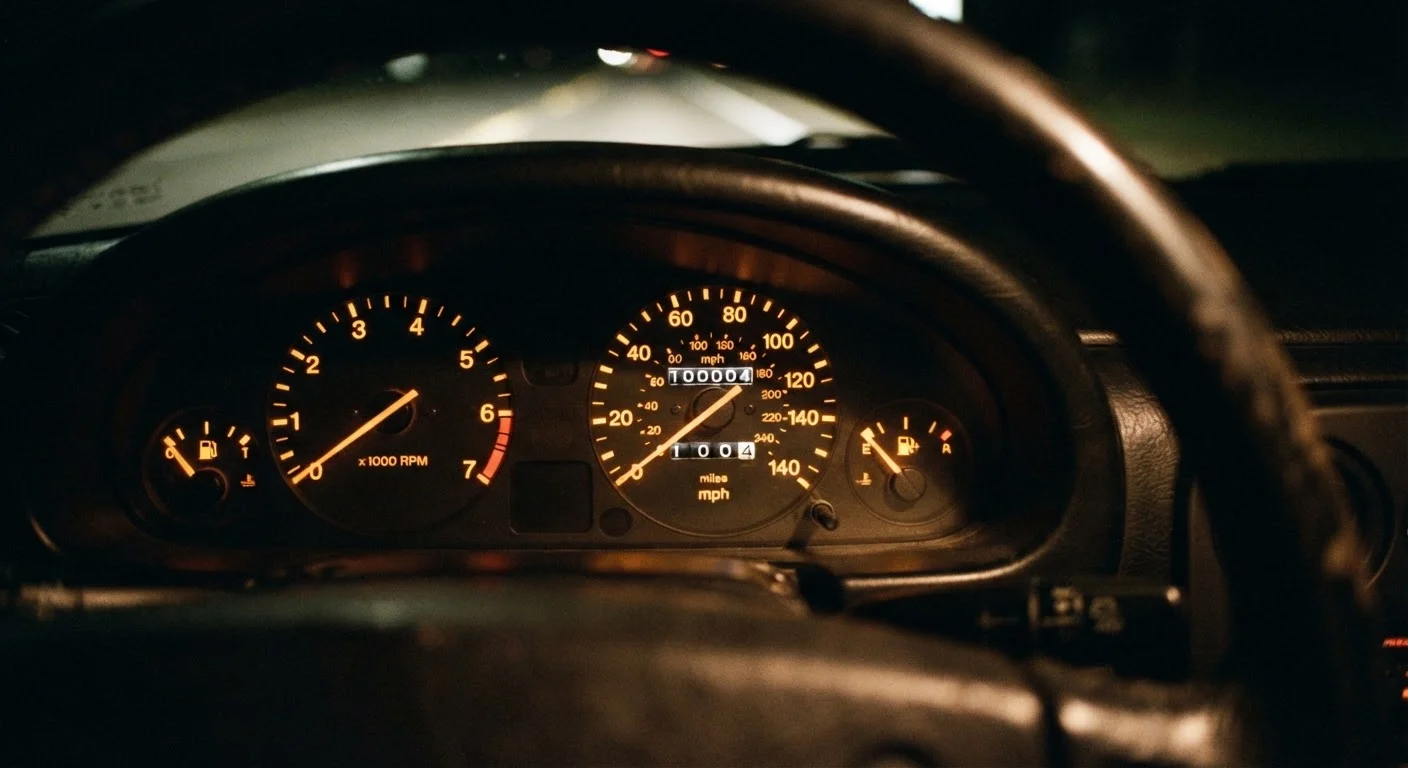
Photo credit: QuickInsights.net
In this article
High-mileage vehicles need different care. Here's what typically shifts in maintenance needs, costs, and reliability as the odometer climbs.
Key Takeaways
- Many critical components reach the end of their design life around 100,000 miles.
- Maintenance costs typically increase after this milestone, but are often still lower than a car payment.
- Proactive, scheduled service becomes more important than reactive repairs at high mileage.
- Using the right fluids and lubricants for older engines can meaningfully extend vehicle life.
- A documented service history is your most valuable asset when keeping or selling a high-mileage vehicle.
Why 100,000 Miles Is a Turning Point
A car that crosses the 100,000-mile mark isn't suddenly unreliable - but it does require a different mindset from its owner. Many components that were built to last through the first phase of a vehicle's life are now at or near their service limits. Timing belts, coolant, transmission fluid, and serpentine belts often have manufacturer-recommended replacement intervals that fall right around this milestone.
At the same time, rubber seals throughout the engine and drivetrain begin to lose flexibility, which can lead to minor leaks. Suspension components - bushings, ball joints, and struts - accumulate wear that affects ride quality and handling. None of this is unusual, and none of it means the vehicle is on its last legs. What it means is that staying ahead of wear, rather than reacting to it, becomes the dominant maintenance strategy.
For a broader view of what long-term ownership really involves financially and logistically, see everything involved in long-term car ownership.
Components That Demand Closer Attention
Several systems warrant more frequent inspection once a vehicle enters high-mileage territory:
- Cooling system: Coolant degrades over time and loses its anti-corrosion properties. An overheating engine is one of the most costly failures a driver can face, so coolant condition and hose integrity deserve regular checks.
- Belts and seals: Timing belts, if your engine uses one (rather than a chain), typically have a hard replacement interval. Missing it can cause catastrophic engine damage. Valve cover gaskets and other seals should be inspected for seeping.
- Brakes: Rotors and calipers that have seen high mileage may show wear patterns or corrosion that affect braking performance beyond what pad replacement alone can fix.
- Spark plugs and ignition components: Extended-life spark plugs have limits. Misfires and reduced fuel efficiency are common signs they've reached theirs.
- Transmission fluid: Automatic transmissions are expensive to rebuild or replace. Keeping fluid clean and at the right level is one of the most cost-effective protective steps an owner can take.
~200,000
Miles modern vehicles can realistically reach
Consumer and industry data consistently show that properly maintained modern vehicles - especially those with documented service histories - can exceed 200,000 miles without engine or transmission replacement.
$1,200-$1,500
Typical annual maintenance cost, high-mileage vehicle
Industry estimates suggest average annual repair and maintenance costs for older, high-mileage vehicles tend to fall in this range - often still lower than a single month of car payments on a new vehicle.
12%
Average fuel economy decline over vehicle lifetime
Studies examining fleet vehicle data indicate fuel economy can drop by roughly 10-15% as vehicles accumulate high mileage, with much of the decline linked to worn ignition and fuel system components.
If you aren't already tracking your service history, a consistent maintenance log becomes especially valuable at this stage. It helps mechanics diagnose problems faster and protects resale value. Learn how to set one up in our article on keeping a personal vehicle maintenance log.
How Costs and Strategy Shift
Maintenance spending on high-mileage vehicles tends to increase, but it's rarely as dramatic as owners fear. The key is distinguishing between predictable, scheduled expenses - which are manageable - and cascading failures that signal deeper trouble.
A helpful mental framework: if annual repair and maintenance costs remain well below what you'd pay in monthly car payments for a replacement vehicle, the math often favors keeping the car. That equation changes when major systems like the transmission or engine require simultaneous attention.
Proactive Beats Reactive at High Mileage
Once a vehicle crosses 100,000 miles, waiting for symptoms before servicing components becomes increasingly costly. Establish a written schedule for fluid changes, belt inspections, and brake checks - and stick to it. A qualified mechanic can help you build this schedule based on your specific vehicle's manufacturer recommendations and current condition.
Fluid choices also matter more at high mileage. High-mileage motor oils are formulated with additives that condition aging seals and can reduce minor leaks. Switching to these formulations around the 100,000-mile mark is a common recommendation, though you should verify compatibility with your owner's manual or a trusted mechanic.
Fuel efficiency is another variable that tends to shift as a car ages. Worn oxygen sensors, dirty fuel injectors, and degraded spark plugs all contribute. Our article on how fuel economy changes as a car ages covers the specific causes and what can realistically be done.
Keeping a High-Mileage Car Road-Ready
The owners who get the most out of high-mileage vehicles share a few habits: they follow a written maintenance schedule, they address small issues before they compound, and they work with a mechanic who knows the vehicle's history. Finding a single trustworthy shop and returning consistently - rather than shopping for the lowest-price repair each time - means the mechanic builds familiarity with your specific car's quirks.
Insurance coverage is also worth revisiting. As market value declines, comprehensive and collision coverage may represent a diminishing return relative to their cost. A licensed insurance agent can help you evaluate whether your current coverage still matches the vehicle's actual value. For background on coverage decisions, see our auto insurance guides.
High mileage isn't a countdown to failure - it's a signal to pay closer attention and be more deliberate. Drivers who treat their vehicle as a long-term asset rather than a depreciating liability routinely reach 200,000 miles and beyond without catastrophic expense.
Frequently Asked Questions

Author
Autos & Vehicles Editorial Team
Autos & Vehicles Editorial Team is the collective byline for our editorial team and contributor network. Articles published under this byline or an editorial pen name are researched, written, and reviewed according to our editorial standards for clarity, consistency, and independence before publication.
View all articles →