
When Dropping Comprehensive or Collision Coverage Makes Sense
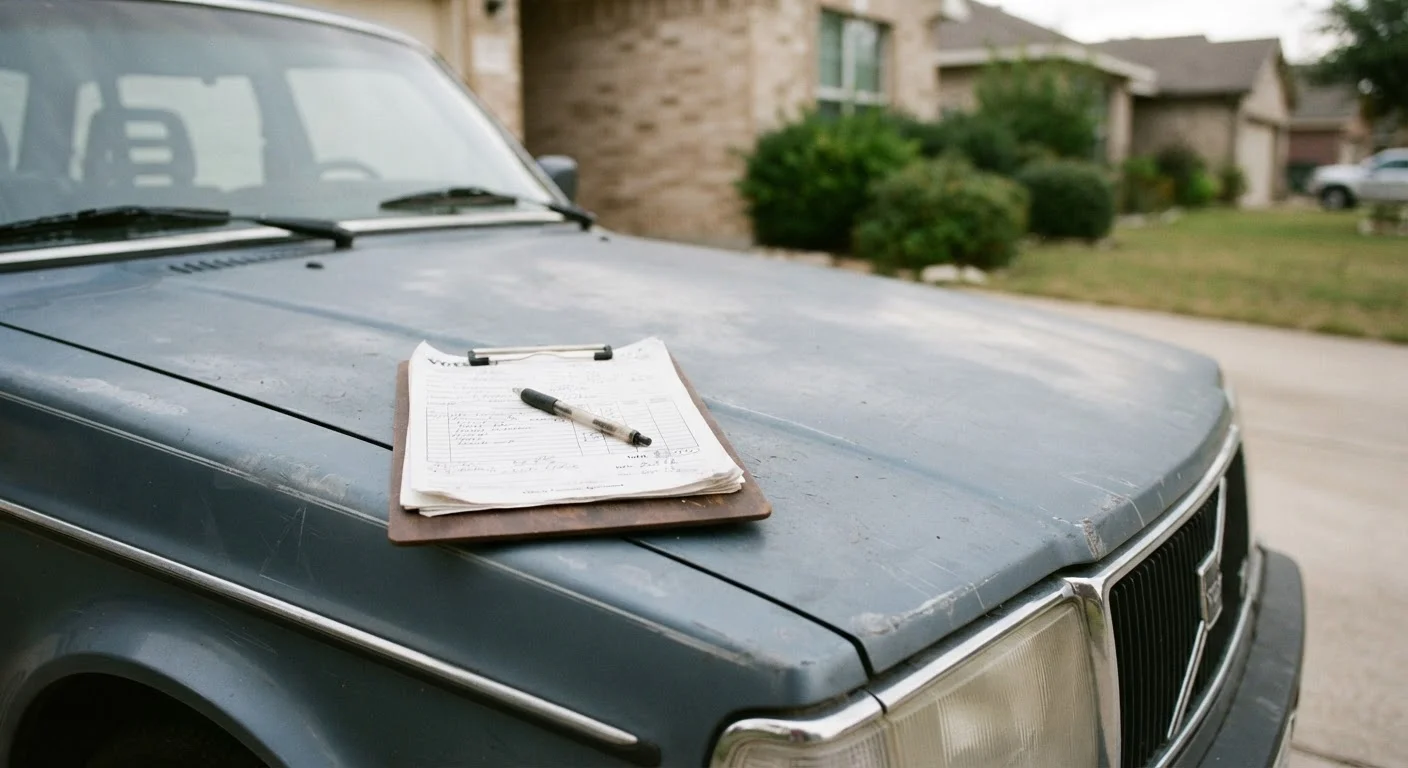
Photo credit: QuickInsights.net
In this article
Older vehicles and low-value cars raise the question: is paying for full coverage still worthwhile? Here's how to think it through.
Key Takeaways
- Comprehensive and collision coverage pay for damage to your own vehicle, not to others.
- Dropping these coverages makes the most financial sense when a car's market value is low.
- A common rule of thumb: if annual premiums exceed 10% of the car's value, dropping coverage may be worth considering.
- Drivers with an auto loan or lease are typically required by the lender to carry both coverages.
- Your savings cushion matters - dropping coverage means paying out of pocket if the car is damaged or totaled.
Reduces monthly and annual insurance costs
Collision and comprehensive are typically the most expensive optional coverages on a policy. Removing them can meaningfully lower what you pay each month, freeing that money for savings or other expenses.
Makes sense when car value is low
Insurers pay only the vehicle's actual cash value at the time of a claim, not replacement cost. On a car worth $3,000-$4,000, the maximum payout after your deductible may not justify the annual premium.
Reduces the financial penalty for minor claims
Filing a collision or comprehensive claim - even a small one - can trigger a rate increase at renewal. Self-insuring for minor damage avoids that premium spike entirely.
Appropriate when you can absorb the loss
For drivers with a solid emergency fund, paying out of pocket for a repair or vehicle replacement is a rational alternative to paying premiums on a policy with limited upside.
Leaves you fully exposed to repair costs
If your car is damaged in a hail storm, flood, or accident, you cover 100% of the repair or replacement bill. Even a "low-value" car can cost thousands to repair after a serious incident.
Lenders typically require both coverages
If you carry a car loan or lease, dropping comprehensive or collision without lender approval violates the loan agreement and can trigger forced-placed insurance, which is generally more expensive.
Total loss leaves you with no vehicle and no payout
If your car is totaled or stolen without comprehensive coverage, you receive nothing from your insurer. Replacing even an inexpensive vehicle out of pocket is a significant unplanned expense.
Savings must be genuinely available
The self-insurance logic only holds if the money you save on premiums is actually set aside. Without that cushion, a car loss can become a financial emergency.
What Comprehensive and Collision Actually Cover
Before deciding whether to keep or drop these coverages, it helps to understand exactly what they do. Collision coverage pays to repair or replace your vehicle after it collides with another car, object, or rolls over - regardless of fault. Comprehensive coverage handles losses from events outside your control: theft, vandalism, hail, floods, falling trees, and animal strikes.
Neither coverage protects other drivers or their property - that is what liability insurance is for. For a fuller breakdown of how these two coverages compare, see how collision and comprehensive differ. Together, collision and comprehensive are often called "full coverage" when bundled with liability, though that term has no standard legal definition. Learn more about how all coverage types fit together in our guide to core coverage types.
The Core Question: Is the Premium Worth the Potential Payout?
Insurance is a financial tool, not a moral obligation. The point of comprehensive and collision is to protect against a loss you could not comfortably absorb on your own. When the maximum possible payout - your car's actual cash value (ACV), which is its current market value minus depreciation - is small, the math shifts.
~10%
Premium-to-ACV ratio worth watching
Consumer finance educators commonly suggest reconsidering full coverage when annual collision and comprehensive premiums approach or exceed 10% of the vehicle's actual cash value.
$1,000-$2,000
Typical annual collision/comprehensive cost
According to data from the National Association of Insurance Commissioners, the average American driver pays roughly $1,000-$2,000 per year for combined collision and comprehensive coverage, though costs vary widely by state and driver profile.
A widely cited rule of thumb among consumer finance educators is this: if your annual combined premium for collision and comprehensive exceeds roughly 10% of your car's ACV, dropping those coverages is worth a serious look. For example, if your car is worth $3,500 and you're paying $600 a year for those two coverages, you're spending about 17% of the car's value annually for protection capped at that same value - minus your deductible.
Keep in mind that your insurer will never pay more than the ACV at the time of the claim, regardless of what you paid for the car originally or what repairs might cost on a newer equivalent. That ceiling is what makes low-value vehicles a different calculation.
Reasons to Consider Dropping Coverage
Reduces monthly and annual insurance costs
Collision and comprehensive are typically the most expensive optional coverages on a policy. Removing them can meaningfully lower what you pay each month, freeing that money for savings or other expenses.
Makes sense when car value is low
Insurers pay only the vehicle's actual cash value at the time of a claim, not replacement cost. On a car worth $3,000-$4,000, the maximum payout after your deductible may not justify the annual premium.
Reduces the financial penalty for minor claims
Filing a collision or comprehensive claim - even a small one - can trigger a rate increase at renewal. Self-insuring for minor damage avoids that premium spike entirely.
Appropriate when you can absorb the loss
For drivers with a solid emergency fund, paying out of pocket for a repair or vehicle replacement is a rational alternative to paying premiums on a policy with limited upside.
The strongest case for dropping coverage is a combination of a low vehicle value, a meaningful deductible, and solid personal savings. If your car is worth $3,000 and your deductible is $1,000, your insurer's maximum net payout is $2,000. If you're paying $500 or more per year in premiums for that possibility, you'd recover your "investment" only if you filed a claim within four years - and filing frequent claims can raise your rates.
Drivers who park in low-risk areas, have clean records, and own their vehicles outright are best positioned to self-insure against physical damage losses. Use our policy review checklist at each renewal to reassess whether your vehicle's declining value has changed the equation.
Reasons to Keep Coverage - Even on Older Cars
Leaves you fully exposed to repair costs
If your car is damaged in a hail storm, flood, or accident, you cover 100% of the repair or replacement bill. Even a "low-value" car can cost thousands to repair after a serious incident.
Lenders typically require both coverages
If you carry a car loan or lease, dropping comprehensive or collision without lender approval violates the loan agreement and can trigger forced-placed insurance, which is generally more expensive.
Total loss leaves you with no vehicle and no payout
If your car is totaled or stolen without comprehensive coverage, you receive nothing from your insurer. Replacing even an inexpensive vehicle out of pocket is a significant unplanned expense.
Savings must be genuinely available
The self-insurance logic only holds if the money you save on premiums is actually set aside. Without that cushion, a car loss can become a financial emergency.
The most common reason drivers must keep comprehensive and collision is a lender requirement. If you financed or leased your vehicle, the lienholder has a financial stake in it and will typically require you to maintain both coverages until the loan is paid off. Dropping them without the lender's approval puts you in breach of your loan agreement.
Beyond lender requirements, personal financial exposure matters enormously. Dropping coverage makes sense only if you can genuinely afford to repair or replace the vehicle out of pocket. If losing the car would mean losing your ability to get to work, the premium - even a high one relative to ACV - may be the right call. Review the broader trade-offs between minimal and fuller protection in our article on state minimum vs. full coverage.
GAP Insurance Is a Separate Consideration
If you owe more on your auto loan than the car is currently worth - a situation called being "underwater" or "upside down" on the loan - GAP (Guaranteed Asset Protection) insurance covers the difference between the ACV payout and your remaining loan balance. GAP coverage only functions alongside active comprehensive and collision coverage, so dropping those coverages eliminates the utility of GAP as well. Check your loan documents or speak with a licensed agent if this applies to you.
How to Run the Numbers for Your Situation
Start by finding your car's current market value. Free tools from established automotive valuation resources - such as those provided by major industry guides - can give you a realistic ACV estimate based on mileage, condition, and your local market. Then pull your most recent declarations page and identify exactly what you're paying annually for collision and comprehensive separately.
Next, subtract your deductible from the ACV. That net figure is the most you'd ever collect from a claim. Compare that against what you're paying in annual premiums. If the math doesn't work in the insurer's favor for you over a reasonable time horizon, dropping one or both coverages deserves consideration.
Also factor in your deductible strategy - a higher deductible lowers your premium but also shrinks the effective value of keeping coverage. If you find yourself considering a very high deductible just to make the premium manageable, that's often a signal that dropping the coverage entirely may be more logical. For guidance on navigating the broader auto insurance landscape, see Auto Insurance Decoded.
This article provides general educational information about auto insurance concepts and is not personalized insurance or financial advice. Coverage requirements, terms, and costs vary by state, insurer, and individual circumstance. Consult a licensed insurance agent or adviser for guidance specific to your situation.

Author
Autos & Vehicles Editorial Team
Autos & Vehicles Editorial Team is the collective byline for our editorial team and contributor network. Articles published under this byline or an editorial pen name are researched, written, and reviewed according to our editorial standards for clarity, consistency, and independence before publication.
View all articles →