
Why Travelers Get Sick Abroad - and How Preparation Changes the Odds
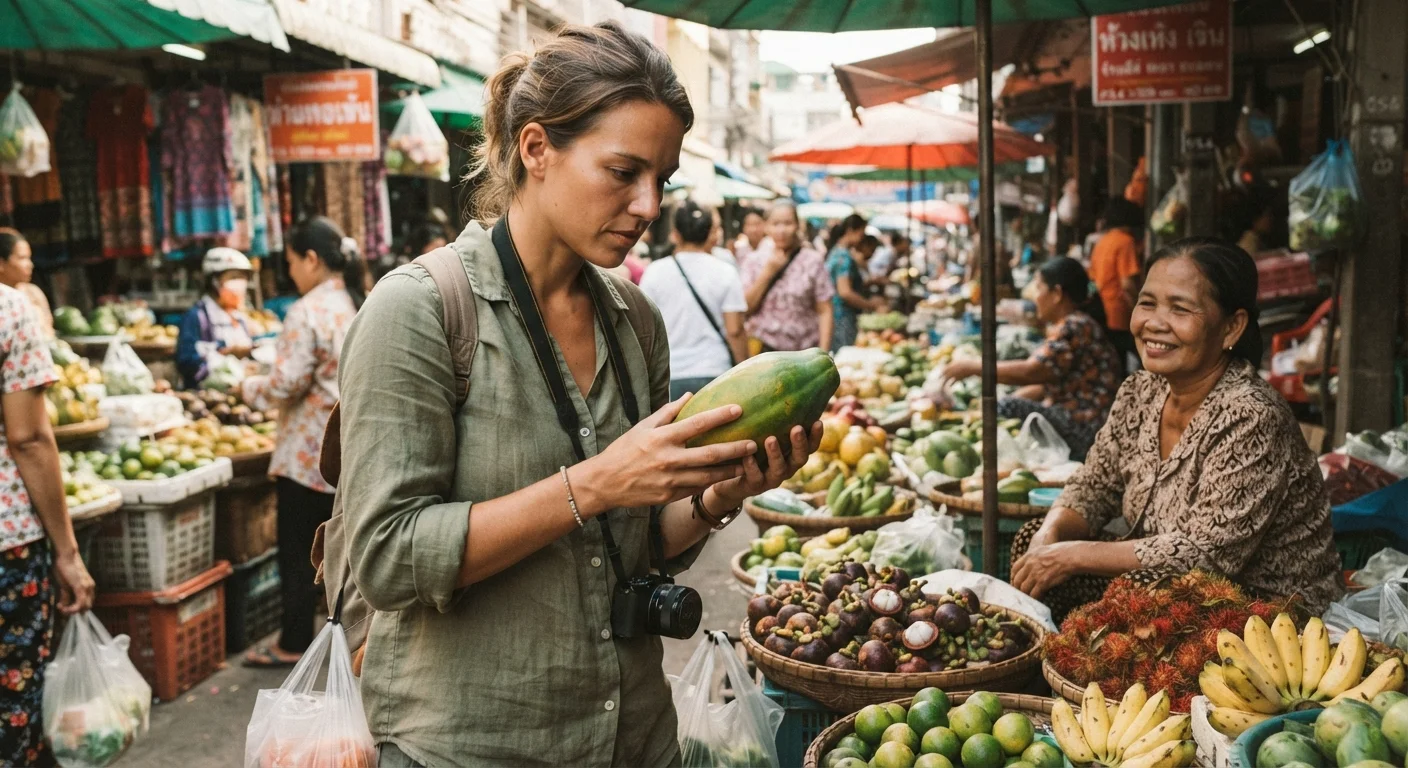
Photo credit: QuickInsights.net
In this article
Food, water, mosquitoes, and altitude are common culprits behind traveler illness. Understand the risks and how pre-trip planning helps reduce them.
Key Takeaways
- Food and water contamination are the most common causes of illness in travelers visiting developing regions.
- Mosquito-borne diseases like malaria and dengue remain serious risks in many tropical and subtropical destinations.
- Altitude sickness can affect anyone, regardless of fitness level, when ascending too quickly above 8,000 feet.
- A pre-trip consultation with a travel medicine specialist can help identify destination-specific risks and appropriate preventive measures.
- Preparation - not luck - is the primary factor that separates travelers who stay healthy from those who don't.
The Four Main Culprits Behind Traveler Illness
Most travel-related illnesses trace back to four categories of risk: contaminated food and water, insect-borne diseases, altitude, and environmental or physical stress. Understanding each one - before you leave - puts you in a far stronger position than hoping for the best once you arrive.
Food and water contamination account for the majority of traveler illness cases worldwide. The bacteria, viruses, and parasites found in a destination's water supply aren't necessarily dangerous to local residents who have built immunity over time, but they can cause significant illness in travelers whose immune systems have never encountered them. Raw or undercooked foods, ice, salads washed in tap water, and street food prepared in unsanitary conditions are common vectors.
Insect-borne diseases - particularly malaria, dengue fever, chikungunya, and Zika - are prevalent across large parts of Africa, Latin America, South Asia, and Southeast Asia. These diseases are transmitted through mosquito bites, often at times of day or night when travelers may not think to apply repellent. Unlike food-related illness, these infections can be severe and, in some cases, life-threatening without prompt treatment.
Altitude sickness is frequently underestimated. Travelers visiting Machu Picchu, the Himalayan foothills, or destinations above 8,000 feet can experience headaches, nausea, fatigue, and shortness of breath. In serious cases, fluid can accumulate in the lungs or brain - both medical emergencies. The key variable isn't fitness; it's how quickly you ascend.
Environmental and physical stressors - jet lag, disrupted sleep, unfamiliar food, heat, and the physical demands of travel - suppress immune function and make the body more vulnerable to pathogens it might otherwise handle easily.
30-70%
Travelers who get diarrhea on high-risk trips
According to the U.S. Centers for Disease Control and Prevention (CDC), traveler's diarrhea affects an estimated 30-70% of international travelers depending on destination and behavior.
~247M
Global malaria cases reported annually
The World Health Organization's World Malaria Report estimates approximately 247 million malaria cases occur globally each year, with sub-Saharan Africa accounting for the majority of cases.
25%
Travelers who develop illness during or after travel
Research cited by the CDC suggests roughly one in four travelers to developing regions reports some form of illness during or after their trip.
Why Preparation Actually Changes the Outcome
The gap between travelers who get sick and those who don't is rarely about luck. It's almost always about preparation. A pre-trip consultation with a travel medicine specialist - typically available through travel medicine clinics and many primary care providers - allows you to address destination-specific risks before departure rather than after symptoms appear.
These consultations typically cover recommended and required vaccinations, whether antimalarial medication is appropriate for your destination, and practical guidance on food and water safety. For high-altitude destinations, a provider can discuss acclimatization strategies and, where appropriate, medications that may help reduce the severity of altitude sickness. This content is general health information - your provider will tailor recommendations to your specific health history and itinerary.
Schedule Your Travel Medicine Visit Early
Some vaccines require multiple doses given weeks apart before they become effective - meaning a last-minute appointment may be too late for full protection. Aim to see a travel medicine provider at least four to six weeks before your departure date. Even a visit closer to departure is worthwhile if time is limited, as some preventive measures can still be arranged.
Documentation matters too. Carrying written records of your vaccinations and any medications you take - including their generic names - is valuable if you need medical care abroad. The pre-departure checklist is a useful resource for organizing this before you leave.
Travelers heading to remote or less-developed destinations face additional considerations. Limited access to quality medical care means that illnesses that would be minor inconveniences at home can escalate quickly. The pre-trip reality check for remote destinations addresses these logistics in detail.
Practical Steps That Reduce Risk Without Derailing Your Trip
Staying healthy abroad doesn't require avoiding everything unfamiliar - it requires making informed choices about where the real risks lie.
- Water: In destinations where tap water isn't reliably treated, use commercially bottled water or a travel-grade water filter or purification tablets. This applies to brushing teeth as well as drinking.
- Food: Cooked food served hot is generally safer than raw or room-temperature options. Peel your own fruit when possible. Be selective with street food - choose vendors with visible high turnover and clean preparation practices.
- Insects: Use an EPA-registered insect repellent with DEET or picaridin, wear long sleeves and pants during peak mosquito activity, and sleep under a bed net where malaria risk is significant. Verify current recommendations for your specific destination with the CDC or your government's health travel advisory service.
- Altitude: Plan your itinerary to ascend gradually. Spend at least one or two nights at an intermediate elevation before going higher. Stay hydrated and avoid alcohol during the first few days at elevation.
- General immunity: Prioritize sleep, stay hydrated, and manage the physical demands of travel. Your immune system is more effective when you're rested.
For a broader framework on staying safe during international travel, see Travel Safety From the Ground Up. And before you depart, the pre-trip safety checklist can help confirm your health preparation is complete.
This article is for general informational purposes only and does not constitute medical advice. Always consult a qualified healthcare provider for guidance specific to your health history and travel destination. Verify entry requirements, vaccination mandates, and health advisories with official government sources before traveling.
Frequently Asked Questions

Author
Travel Editorial Team
Travel Editorial Team is the collective byline for our editorial team and contributor network. Articles published under this byline or an editorial pen name are researched, written, and reviewed according to our editorial standards for clarity, consistency, and independence before publication.
View all articles →