
Preparing Your Home for Winter: What to Check Before the First Freeze
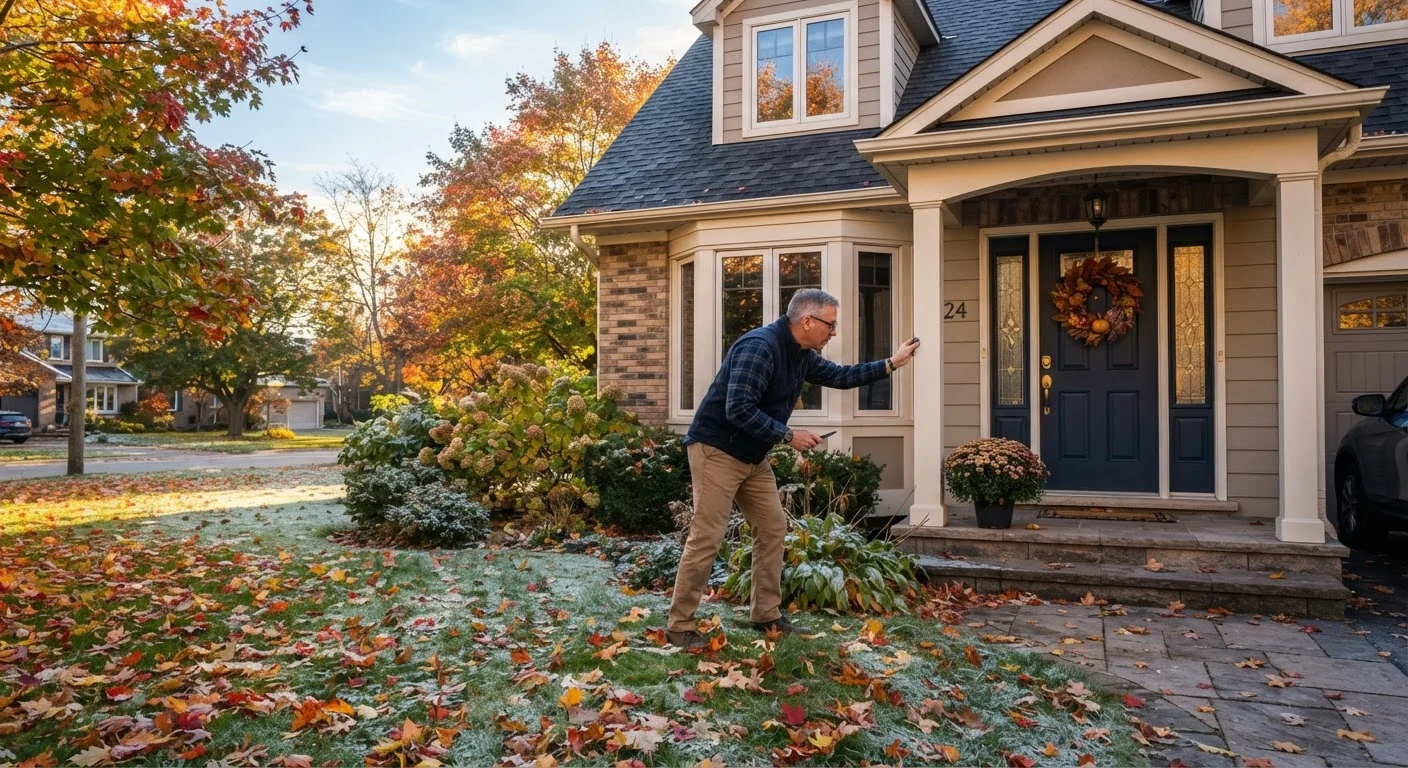
Photo credit: QuickInsights.net
In this article
From pipe insulation to furnace filters, here's a practical checklist for getting your home ready before winter weather sets in.
Key Takeaways
- Insulating exposed pipes before freezing temperatures can prevent costly burst-pipe damage.
- A furnace inspection and filter replacement are among the highest-impact steps you can take each fall.
- Sealing drafts around windows and doors reduces heating costs and improves indoor comfort.
- Gutters clogged with leaves can cause ice dams that damage roofing and fascia boards.
- Testing smoke and carbon monoxide detectors is especially critical before heating season begins.
- Many winter prep tasks are DIY-friendly, but electrical, gas, and roofing work should involve licensed professionals.
Why Winter Prep Is Worth Your Weekend
A single burst pipe can cause thousands of dollars in water damage. A blocked dryer vent can become a fire hazard. A failing furnace on the coldest night of the year means an emergency service call at premium rates. Most of these scenarios share a common thread: they're preventable with a few hours of proactive attention before the first hard freeze arrives.
This checklist is organized by area of the home so you can work through it systematically - inside and out - rather than jumping between tasks. Aim to complete it in mid-to-late autumn, before overnight temperatures consistently drop below freezing in your region. If you're also preparing to travel during the holiday season, our pre-departure home and travel checklist covers additional steps for leaving your house unattended in cold weather.
Don't DIY Gas or Electrical Heating Work
Furnace repairs, gas line inspections, and electrical panel work should always be performed by a licensed professional. Attempting these without proper training creates serious risk of fire, carbon monoxide exposure, or electrocution. If your furnace is exhibiting unusual behavior - short cycling, strange odors, or failure to ignite - shut it down and call a qualified HVAC technician before the heating season peaks.
Tools and Supplies You'll Need
Before you begin, gather these items so you're not stopping mid-task. Most are inexpensive and available at any hardware store.
Foam pipe insulation sleeves
Wrap around exposed pipes in unheated areas to prevent freezing.
Furnace filter (correct size for your unit)
Replace the existing filter to maintain airflow and heating efficiency.
Weatherstripping tape or door sweeps
Seal gaps around exterior doors to stop cold air infiltration.
Exterior caulk (paintable, all-weather)
Fill cracks around windows, doors, and utility penetrations.
Ladder (6-foot or extension, depending on roof pitch)
Safely access gutters and low roof sections for inspection and cleaning.
Carbon monoxide and smoke detector batteries
Replace aging batteries in all life-safety devices before heating season.
Gutter scoop or garden trowel
Remove packed leaf debris from gutters efficiently.
Window insulation film kit
Apply to drafty single-pane windows as a low-cost thermal upgrade.
The Full Winter Readiness Checklist
Work through the groups below room by room and system by system. Check off each item as you go - a printed copy taped to the refrigerator works well for households tackling this as a team effort.
Heating System
Plumbing and Pipes
Exterior and Roof
Doors, Windows, and Insulation
Safety Devices and Emergency Readiness
If you notice deteriorated caulking or gaps around window frames while working through the exterior items above, our guide on caulking and weatherstripping for first-time homeowners explains the materials and techniques in plain language. Likewise, if your vehicle is due for a seasonal checkup, the principles parallel nicely - see seasonal car care for temperature extremes for a comparable vehicle-focused approach.
Know Your Pipe Freeze Threshold
Pipes in unheated spaces - garages, crawl spaces, exterior walls - are at meaningful risk when outdoor temperatures drop below 20°F (about -7°C), though drafty homes can see problems even above that threshold. If you're leaving your home unoccupied for an extended period, set the thermostat no lower than 55°F and ask someone to check on the property periodically. Never fully shut off heat to a home in freezing weather.
What to Do After the Season Turns
Once winter prep is complete, keep a small maintenance log noting what you found - which pipe needed insulation, whether the furnace tech flagged anything, which windows had the worst drafts. That record becomes the starting point when spring arrives. For the flip side of seasonal readiness, the spring garden readiness checklist walks through what to revisit once the ground thaws.
A well-maintained home entering winter isn't just about comfort - it protects the investment you've made in the property. Whether you plan to stay put all season or you're thinking about selling down the road, these preparations matter. Buyers and inspectors notice deferred maintenance, as outlined in the room-by-room pre-sale checklist for homeowners considering listing.
This article provides general home maintenance information for educational purposes. Costs, timelines, and required permits vary by location. Always consult a licensed contractor or qualified tradesperson for work involving gas, electrical systems, roofing, or structural components, and verify any applicable local codes before beginning work.

Author
Home & Garden Editorial Team
Home & Garden Editorial Team is the collective byline for our editorial team and contributor network. Articles published under this byline or an editorial pen name are researched, written, and reviewed according to our editorial standards for clarity, consistency, and independence before publication.
View all articles →