
Bathroom Additions and the Resale Math Behind Them
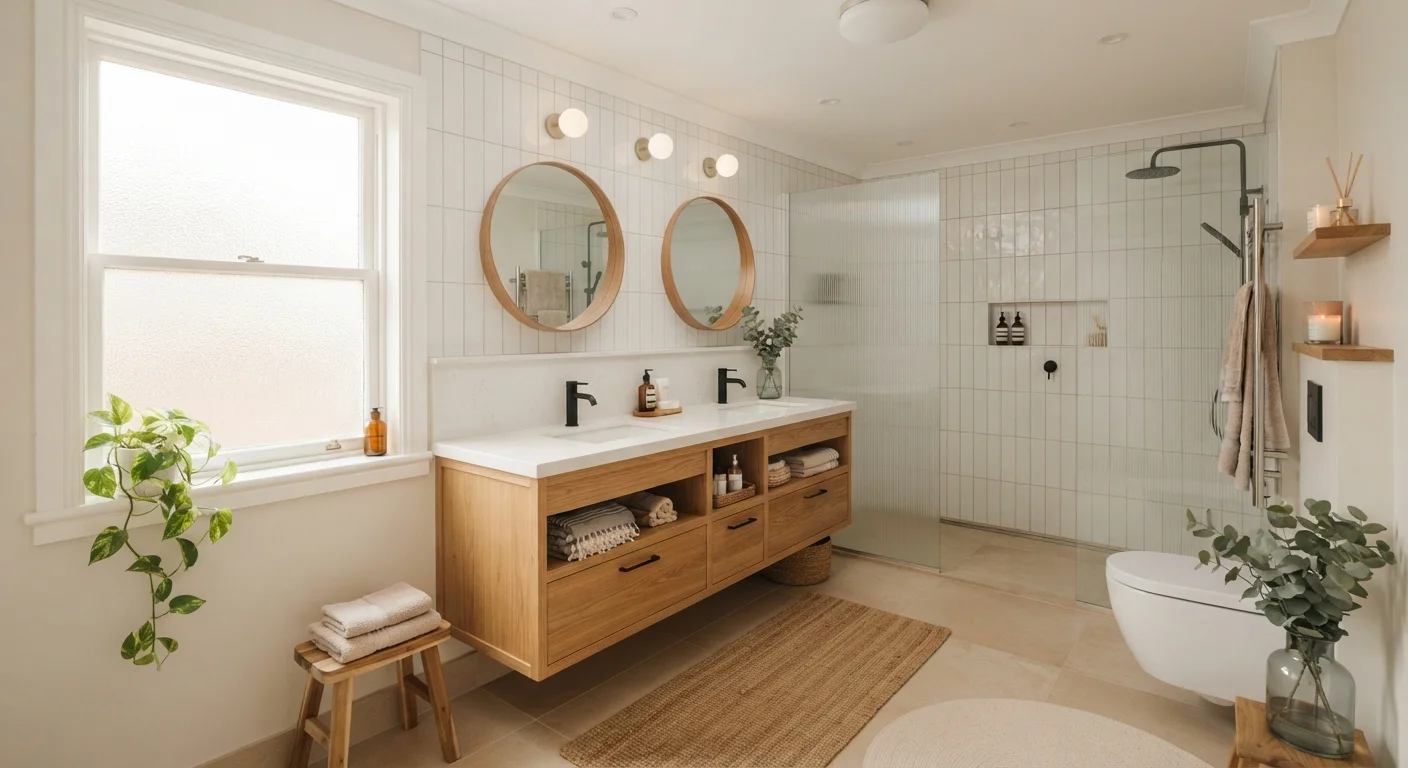
Photo credit: QuickInsights.net
In this article
Adding a bathroom can boost a home's appeal — but the numbers depend on your market and existing layout. Here's what the data generally shows.
Key Takeaways
- Adding a bathroom typically improves a home's marketability, especially when going from one to two bathrooms.
- Average cost recovery varies widely by market, home size, and the type of addition made.
- The biggest gains tend to come in homes that are "under-bathed" relative to their bedroom count.
- Converting unused space - such as a closet - generally costs less and recovers more than full additions.
- Local buyer expectations matter as much as national averages when estimating resale impact.
Improves marketability in under-bathed homes
Homes with fewer bathrooms than their bedroom count warrants are often passed over by buyers. Adding a bath closes that gap and broadens your pool of interested buyers.
Can recover 50-70% of costs at resale
Industry cost-versus-value data generally shows bathroom additions among the more recoverable major renovations, though results vary significantly by market and scope.
Increases daily comfort and household functionality
For households with multiple people sharing one bathroom, an addition reduces daily friction - a benefit that doesn't show up in resale figures but is real and ongoing.
Half-bath additions offer strong percentage returns
Powder rooms cost considerably less to build than full bathrooms and still meaningfully improve a home's livability and appeal to buyers.
Conversion projects can be cost-efficient
Repurposing a large closet or unused corner avoids structural additions, keeping costs lower while still delivering a functional extra bathroom.
High upfront cost with uncertain recovery
Full bathroom additions can run $30,000 to $60,000 or more, and many homeowners don't recoup the full amount - especially in flat or declining markets.
Over-improving relative to neighborhood comps
Adding a fourth bathroom in a neighborhood where typical homes have two may not be rewarded at sale; buyers compare your home to similar properties nearby.
Permits, codes, and inspections add complexity
Bathroom work involving plumbing, electrical, and ventilation typically requires permits in most U.S. jurisdictions. Unpermitted work can create problems during sale.
Construction disruption is significant
Bathroom additions - especially those requiring new plumbing rough-in - often involve weeks of active construction, affecting daily routines and potentially adjacent rooms.
Requires sacrifice of other space
Even a modest bathroom conversion takes square footage from somewhere - a closet, a bedroom corner, or a hallway - which may reduce storage or room size in ways that matter to future buyers.
Why Bathroom Count Matters to Buyers
When buyers evaluate a home, bathroom count is one of the first filters they apply - often before square footage or kitchen condition. A three-bedroom home with a single bathroom is a common sticking point, particularly for families or households with multiple adults. Adding a second full or half bath can move a property from "hard to sell" to competitive in many markets.
The logic is straightforward: bathrooms are daily-use spaces, and sharing one creates friction. Buyers imagine that friction clearly. For sellers, this means a bathroom shortage can suppress offers or extend time on market - both of which have real financial consequences.
That said, more isn't always better. A four-bathroom home in a neighborhood where most comparables have two may not recoup the cost of those extra rooms. Understanding which improvements return value in your specific market is essential before breaking ground.
The Numbers: What Research Generally Shows
National remodeling cost-versus-value analyses - including those published annually by industry sources - consistently show that bathroom additions return somewhere between 50% and 70% of their cost at resale, on average. A midrange bathroom addition might cost $30,000 to $60,000 depending on scope and region, with cost recovery varying based on local market conditions.
Half-baths (powder rooms) tend to show stronger percentage returns than full baths, largely because they cost less to build. Converting an underused closet or corner of a bedroom into a half-bath is among the more efficient bathroom investments a homeowner can make.
~57%
Average cost recouped on bathroom additions
Industry cost-versus-value surveys have historically placed midrange bathroom additions in the 50-65% cost-recovery range nationally, though figures vary by year and region.
$30K-$60K+
Typical cost range for a full bathroom addition
Contractor quotes vary widely based on local labor rates, finishes selected, and whether the project involves structural work or space conversion.
It's worth noting that these are averages - individual results depend on labor costs in your area, the quality of finishes chosen, and whether the addition is consistent with your neighborhood's price range. Common beliefs about home selling often overstate how predictably renovations translate to sale price.
Pros and Cons of Adding a Bathroom
Before committing to a bathroom addition, it helps to look at both sides of the ledger clearly.
Improves marketability in under-bathed homes
Homes with fewer bathrooms than their bedroom count warrants are often passed over by buyers. Adding a bath closes that gap and broadens your pool of interested buyers.
Can recover 50-70% of costs at resale
Industry cost-versus-value data generally shows bathroom additions among the more recoverable major renovations, though results vary significantly by market and scope.
Increases daily comfort and household functionality
For households with multiple people sharing one bathroom, an addition reduces daily friction - a benefit that doesn't show up in resale figures but is real and ongoing.
Half-bath additions offer strong percentage returns
Powder rooms cost considerably less to build than full bathrooms and still meaningfully improve a home's livability and appeal to buyers.
Conversion projects can be cost-efficient
Repurposing a large closet or unused corner avoids structural additions, keeping costs lower while still delivering a functional extra bathroom.
High upfront cost with uncertain recovery
Full bathroom additions can run $30,000 to $60,000 or more, and many homeowners don't recoup the full amount - especially in flat or declining markets.
Over-improving relative to neighborhood comps
Adding a fourth bathroom in a neighborhood where typical homes have two may not be rewarded at sale; buyers compare your home to similar properties nearby.
Permits, codes, and inspections add complexity
Bathroom work involving plumbing, electrical, and ventilation typically requires permits in most U.S. jurisdictions. Unpermitted work can create problems during sale.
Construction disruption is significant
Bathroom additions - especially those requiring new plumbing rough-in - often involve weeks of active construction, affecting daily routines and potentially adjacent rooms.
Requires sacrifice of other space
Even a modest bathroom conversion takes square footage from somewhere - a closet, a bedroom corner, or a hallway - which may reduce storage or room size in ways that matter to future buyers.
The decision shouldn't rest on resale value alone. As explored in ROI vs. enjoyment in home renovation, personal utility is a legitimate reason to renovate - and a bathroom your household uses every day has real, if hard-to-quantify, value.
Conversion vs. Full Addition: A Key Cost Variable
The most important cost lever in bathroom additions is whether you're converting existing space or adding a structural footprint. Converting a large closet, unused laundry area, or section of an oversized bedroom into a bathroom avoids the most expensive parts of construction: foundation work, exterior walls, and roofline changes.
Permits Are Not Optional
Bathroom additions almost always require a building permit in the United States because they involve plumbing, electrical, and ventilation work - all of which are regulated by local building codes. Unpermitted work can complicate a home sale, trigger fines, or require costly removal and re-inspection. Always check with your local building department before starting any bathroom project, and factor permit costs and timelines into your planning.
Full additions - which involve extending the home's footprint - can cost two to three times more than conversions for comparable finished space. They also typically require permits and may need architectural drawings, depending on your municipality. Always verify local permitting requirements before beginning any work; your local building department is the authoritative source.
For comparison, finishing underutilized spaces carries similar considerations. The myths about adding basement or attic space covers how assumed savings in those projects often don't materialize either.
How to Approach the Decision Thoughtfully
Before hiring a contractor, take three practical steps. First, count your bedrooms and bathrooms and compare that ratio to homes that have recently sold in your neighborhood - your real estate agent or local MLS data can help here. If you're below the local norm, an addition is more likely to pay off. Second, get multiple contractor quotes and ask specifically about conversion options before assuming a full addition is necessary. Third, consider how long you plan to stay. If you're renovating for your own use over five or more years, the personal benefit justifies a different calculus than if you're preparing to list within a year.
Also think about how the addition affects your home's flow. Removing walls for open layouts is one example of a popular renovation that can create unexpected functional trade-offs - bathroom placement relative to bedrooms and living areas deserves the same careful thought.
This article is for general informational purposes only and does not constitute financial or legal advice. Consult a licensed contractor, real estate professional, and your local building authority before beginning any home improvement project.

Author
Home & Garden Editorial Team
Home & Garden Editorial Team is the collective byline for our editorial team and contributor network. Articles published under this byline or an editorial pen name are researched, written, and reviewed according to our editorial standards for clarity, consistency, and independence before publication.
View all articles →