
The Trade-In Process: What Dealers Offer and How That Figure Is Reached
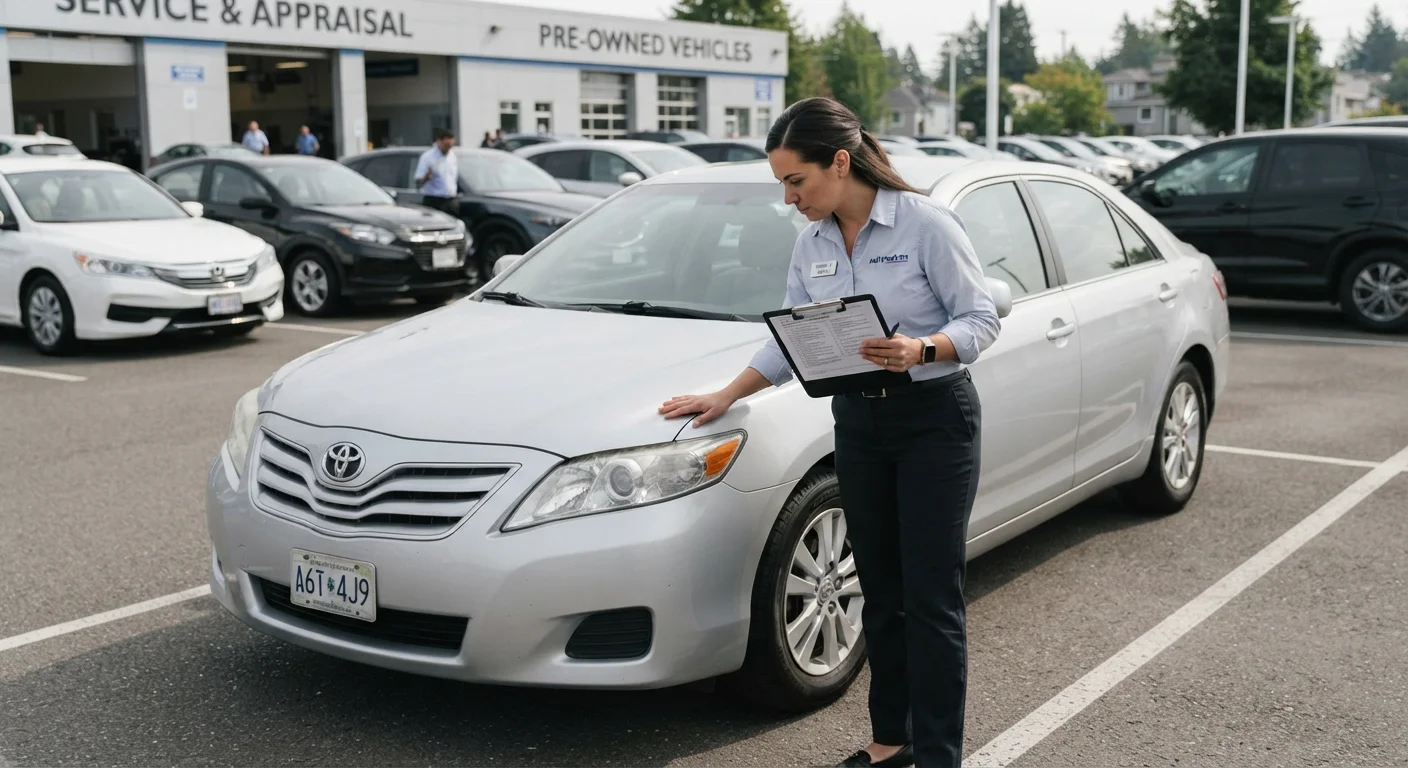
Photo credit: QuickInsights.net
In this article
Trade-in values aren't random—they follow a logic tied to market demand, condition, and timing. Learn how the math works.
Key Takeaways
- Dealers base trade-in offers on wholesale market data, your vehicle's condition, and current local demand.
- The offer is nearly always lower than what you'd get selling privately, because dealers need room for reconditioning and profit.
- Getting independent appraisals before visiting a dealer gives you a concrete benchmark to evaluate any offer.
- Timing matters - certain seasons and model cycles affect how aggressively dealers need your specific vehicle.
- Separating the trade-in negotiation from the new-car price negotiation prevents the two from being blurred together.
How Dealers Arrive at a Number
When you drive your vehicle onto a dealer's lot for appraisal, the person who looks it over isn't guessing. They're applying a structured evaluation against live market data. The two most common data sources dealers consult are wholesale pricing guides - which track what dealers actually pay for used vehicles at auction - and regional remarketing data, which tells them what similar vehicles are selling for right now in your area.
From that baseline, the appraiser adjusts in either direction based on several factors:
- Mileage relative to model year: Average annual mileage in the U.S. runs roughly 12,000-15,000 miles. Vehicles significantly above that are discounted; those well under it may earn a small premium.
- Condition grade: Dealers use a standardized scale - typically ranging from rough to clean - to categorize the vehicle's exterior, interior, mechanical health, and tire condition.
- Accident and title history: A branded title (salvage, rebuilt, flood) or a significant accident record in the vehicle history report reduces value sharply, sometimes by 20-30% or more depending on severity.
- Current lot inventory: If the dealer already has six similar vehicles sitting unsold, they need yours less and will price accordingly.
20-30%
Typical discount for branded or salvage titles
Industry appraisers commonly apply this range to vehicles with rebuilt, salvage, or flood titles, reflecting the reduced retail demand and financing complications such vehicles carry.
~$1,500
Average reconditioning cost per used vehicle
National Automobile Dealers Association research has noted that reconditioning expenses - mechanical, cosmetic, and safety - average in this range before a used vehicle reaches a dealer's retail lot.
12,000-15,000
Average annual miles used as baseline
The Federal Highway Administration reports average annual vehicle miles traveled in this range for U.S. passenger vehicles, which appraisers use as the reference point when adjusting for mileage.
Understanding this process helps you see that the number isn't personal - it reflects the dealer's cost of acquiring, reconditioning, and reselling your vehicle at a profit.
The Gap Between Trade-In Value and Private Sale Value
One of the most common surprises for trade-in sellers is how much lower a dealer's offer is compared to what private buyers might pay. That gap exists because of the dealer's business model, not because your car is worth less than you think.
When a dealer buys your vehicle, they account for:
- Reconditioning costs - detailing, minor mechanical work, safety inspections, and any required cosmetic repairs before the car goes on their lot.
- Holding costs - every day a vehicle sits unsold costs the dealer in floor-plan interest (the financing dealers use for their inventory).
- Retail profit margin - the spread between what they paid and what they sell it for funds their operation.
A private buyer absorbs none of those costs. That's why private-party sales consistently return more money for the seller, though they require more time, effort, and some tolerance for risk. See our overview of private vs. dealership transactions for a fuller picture of how those two paths compare.
Negotiate Trade-In and Purchase Price Separately
Before revealing that you have a trade-in, agree on the out-the-door price of the vehicle you're buying. Once that number is locked in writing, introduce the trade-in. This prevents dealers from adjusting one side of the deal to offset concessions on the other, giving you a clear view of what each transaction is actually worth.
Timing and Market Conditions That Shift the Offer
Trade-in values aren't static - they respond to broader market forces that dealers track closely. A few patterns worth knowing:
- Seasonality: Trucks and SUVs tend to be in higher demand in fall and winter in many regions. Convertibles and sporty vehicles peak in spring. Dealers pay more when they know retail buyers are actively looking.
- New model releases: When a manufacturer releases a redesigned version of a model, demand for the outgoing generation on dealer lots can soften, which can pull trade-in offers down.
- Used vehicle supply: Periods of constrained new-vehicle inventory - as seen during semiconductor shortages in recent years - push used car demand up, which benefits trade-in sellers. Supply normalizing has the opposite effect.
None of these factors mean you should time the market obsessively. But being aware of them helps you interpret whether an offer reflects general conditions or something specific about your vehicle.
How to Prepare Before You Walk In
Preparation is the single most effective way to negotiate from a position of knowledge. Before visiting any dealer for a trade-in appraisal, take these steps:
- Pull your vehicle history report so you know exactly what the dealer will see. Surprises that hit them first give them leverage.
- Get independent appraisals. Standalone vehicle-buying services offer written appraisals, often good for several days. Competing written offers give you a concrete floor to reference.
- Document condition honestly. Photograph the interior, exterior, tires, and any damage. If a dealer claims a condition grade that seems inaccurate, you have evidence to push back.
- Know your payoff amount if you still owe on the vehicle. That affects whether you have positive or negative equity, which changes the financial math significantly.
When you sit down to discuss numbers, treat the trade-in as a separate transaction from the new-car purchase. Dealers can compress or expand margins across both deals in ways that obscure what you're really getting for your vehicle. This same discipline applies when evaluating financing - our article on dealer financing vs. bank financing explains how those numbers can shift depending on how you arrange your loan. Once you've settled the trade-in figure in writing, you're in a much stronger position to negotiate the price of the vehicle you're buying on its own merits.
Frequently Asked Questions

Author
Autos & Vehicles Editorial Team
Autos & Vehicles Editorial Team is the collective byline for our editorial team and contributor network. Articles published under this byline or an editorial pen name are researched, written, and reviewed according to our editorial standards for clarity, consistency, and independence before publication.
View all articles →