
The Most Common Travel Scams - and Why Smart Travelers Still Fall for Them
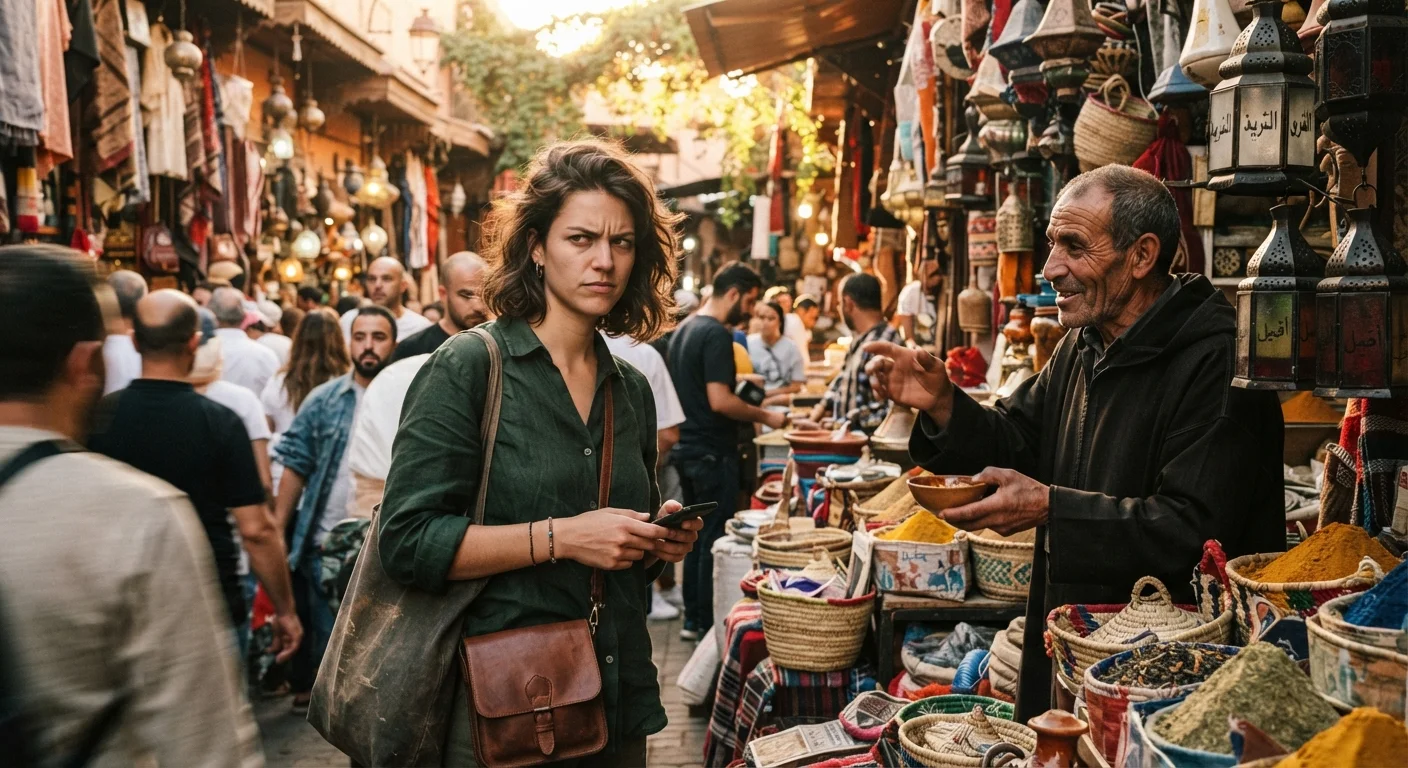
Photo credit: QuickInsights.net
In this article
Distraction grabs, fake taxis, and overcharge schemes work because they exploit normal trust. Recognize the patterns before you encounter them.
Key Takeaways
- Most travel scams exploit trust, distraction, and unfamiliarity - not gullibility.
- Recognizing scam patterns before you travel is more effective than reacting in the moment.
- Unofficial taxis, distraction grabs, and overcharge schemes are among the most consistently reported.
- Slowing down and confirming details before agreeing to anything dramatically reduces your risk.
- Even experienced travelers get targeted - awareness, not paranoia, is the right response.
Why Smart Travelers Still Get Scammed
Travel scams don't succeed because travelers are careless. They succeed because they're designed around normal human behavior - the instinct to be polite, the relief of finding help, the cognitive load of navigating somewhere unfamiliar. Understanding this reframes the whole conversation. The question isn't "how could someone fall for that?" It's "what conditions make this work?"
Most scams are situational. They appear when you're tired, loaded with luggage, in an unfamiliar language environment, or just trying to get from point A to point B without complications. Scammers identify those windows and work quickly. The good news is that recognizing the pattern - not just the specific trick - gives you a durable, transferable defense across every destination.
It's also worth understanding that experienced travelers are targeted just as often as first-timers. Confidence can actually increase risk if it turns into overconfidence. As our travel safety myths guide explains, the belief that you're too savvy to be fooled is itself a vulnerability.
The Most Common Patterns - and How to Recognize Them
The specific scams vary by destination, but most fall into a small number of recognizable categories. Learning the category is more useful than memorizing individual schemes, because local variations are endless while the underlying mechanics stay consistent.
Getting into an unmarked or unofficial taxi without confirming legitimacy first.
Why it happens: After a long flight, travelers are tired, unfamiliar with local transport, and relieved when someone offers easy help. Unofficial drivers often position themselves directly outside arrivals halls, looking indistinguishable from legitimate operators.
Accepting unsolicited gifts, bracelets, or roses - then being pressured into paying for them.
Why it happens: The social instinct not to be rude is powerful. Once something is placed in your hands or tied to your wrist, many people feel obligated to pay rather than make a scene.
Using currency exchange booths or accepting rates offered by individuals on the street without checking official rates first.
Why it happens: Exchange rate math is confusing in an unfamiliar currency, and some booths advertise attractive headline rates while burying fees or using unfavorable calculation methods.
Trusting a "friendly local" who steers you toward a specific restaurant, shop, or tour - often with a personal story attached.
Why it happens: Travelers want authentic local experiences, and someone who seems helpful and knowledgeable feels like a genuine resource. In reality, referral commissions make this a structured scheme in many tourist-heavy cities.
Getting distracted and losing sight of belongings - bags, phones, cameras - in crowded public spaces.
Why it happens: Distraction is engineered. Scammers work in teams: one creates an incident while another takes advantage of the moment of confusion. Even alert travelers can be caught off guard.
Paying for a service - a tour, a meal, a photo with an animal or performer - before clearly understanding the price.
Why it happens: Travelers assume common sense prices apply, or feel too awkward to ask. In tourist areas, prices for informal services are often unposted and negotiated after the fact, when the power dynamic has shifted.
Distraction Is the Setup, Not the Scam
When something unusual happens - a spill, a dropped item, someone starting a loud argument nearby - your instinct is to react. Scammers count on that. The distraction is the mechanism; the actual theft or deception happens in the seconds that follow. If something feels staged or oddly timed, hold your position and check your belongings before engaging.
Beyond physical scams, digital vulnerabilities multiply while traveling. Public Wi-Fi networks at hotels, cafes, and airports create exposure that scammers actively exploit. Our guide to digital safety on the road covers the practices that protect your accounts and personal data across borders - a layer of travel security that's easy to overlook when you're focused on physical threats.
Building Habits That Actually Hold Up Under Pressure
Always Verify Before You Hand Over Anything
Whether it's money, your passport, or your phone, the moment a stranger creates urgency around handing something over is the moment to pause. Legitimate services - transport, currency exchange, official assistance - do not require snap decisions. Take a breath, verify independently, and never feel obligated to comply on someone else's timeline.
Awareness is the foundation, but habits are what protect you when you're tired, distracted, or genuinely off-balance. A few principles are worth internalizing before any trip:
- Slow down by default. Urgency in a transaction is almost always manufactured. Legitimate services don't require immediate decisions.
- Confirm prices before, not after. Ambiguity around cost is how informal overcharging works. Ask plainly and get a clear answer.
- Use official channels. For transport, currency, and tours, official infrastructure exists for a reason. The small inconvenience of finding the right queue pays off.
- Trust your discomfort. If a situation feels off, you're not being rude by stepping back. Scams rely on social pressure to override your instincts.
Good trip planning includes researching local scam patterns specific to your destination - not to create anxiety, but to recognize what's normal and what isn't before you arrive. A few minutes of preparation at home is worth more than any reaction you might manage in the moment.

Author
Travel Editorial Team
Travel Editorial Team is the collective byline for our editorial team and contributor network. Articles published under this byline or an editorial pen name are researched, written, and reviewed according to our editorial standards for clarity, consistency, and independence before publication.
View all articles →