
Why Overpricing a Listing Tends to Backfire
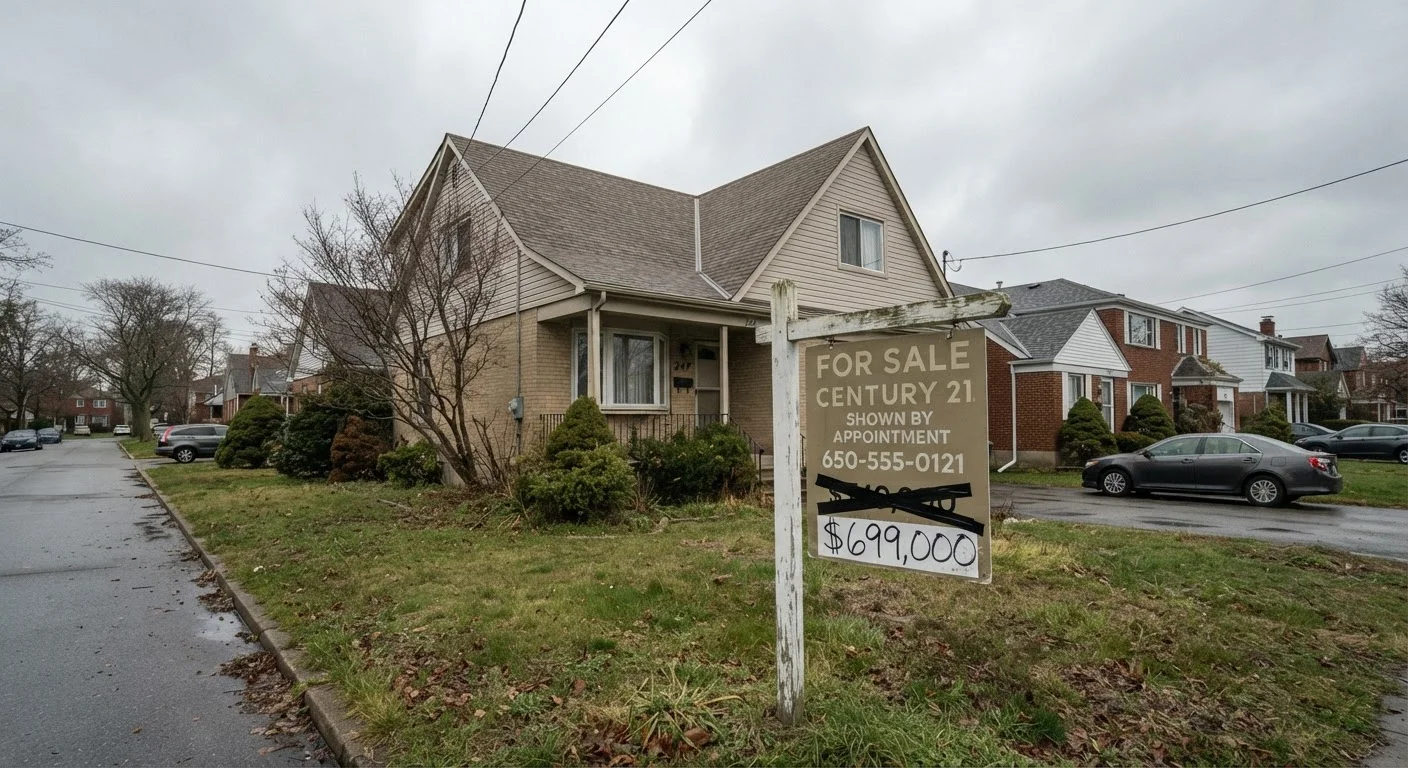
Photo credit: QuickInsights.net
In this article
Setting an ambitious asking price feels safe, but overpriced homes often sell for less in the end. Here's the mechanics behind it.
Key Takeaways
- Overpriced homes attract fewer showings from the start, reducing your pool of qualified buyers.
- A listing that lingers on the market becomes stigmatized, forcing deeper price cuts later.
- Appraisal gaps can kill deals even after a buyer agrees to an inflated price.
- Pricing at or near market value typically generates stronger, faster, and more competitive offers.
- Emotional attachment to a home's value is the most common reason sellers overprice.
Why the First Weeks on Market Define Everything
When a home hits the market, it experiences its highest level of buyer attention during the first seven to fourteen days. Buyers who have been actively searching in that price range and neighborhood are notified immediately through listing alerts. If the price is compelling, showings stack up and offers follow. If the price is off, those same buyers pass - and they rarely return, even after a reduction.
This window matters more than most sellers realize. The market is essentially running a live test of your price the moment the listing goes live. Sparse showings and silence are not a marketing failure - they are price feedback. Understanding this dynamic is the foundation for avoiding the most costly mistakes sellers make.
For a broader look at how asking price and final sale price diverge, see the relationship between listing price and sale price - the gap itself carries signals worth understanding before you set a number.
Setting the price based on what you need financially rather than what the market supports.
Why it happens: Sellers often calculate backward from mortgage payoffs, moving costs, or a down payment on the next home - needs that the market has no obligation to meet.
Overweighting the cost of renovations when setting the asking price.
Why it happens: Sellers assume buyers will reimburse dollar-for-dollar for upgrades like a remodeled kitchen or new roof, when in reality buyers evaluate overall market value - not your receipts.
Listing high 'to leave room to negotiate' without understanding how buyers search.
Why it happens: It feels logical to build in a buffer, but most buyers set online search filters by price range - an inflated listing simply won't appear in searches conducted by your most qualified prospects.
Ignoring how long the home has been listed when assessing your position.
Why it happens: Sellers sometimes interpret a lack of offers as a marketing problem rather than a pricing problem, leading them to change photos or descriptions instead of the price.
Refusing to adjust the price after clear market feedback.
Why it happens: Emotional attachment to the home's perceived value, combined with sunk-cost thinking, makes sellers resist reductions that data plainly support.
The Mechanics of How Overpricing Costs You Money
The counterintuitive reality of overpricing is that it tends to produce a lower final sale price, not a higher one. Here's why the math works against sellers who list above market value.
5-8%
Typical sale price discount for stale listings
Industry research consistently suggests homes that linger on the market beyond typical local averages sell at a measurable discount compared to homes that go under contract quickly.
21 days
Median days on market before buyer perception shifts
Real estate professionals generally observe that buyer interest drops sharply once a listing exceeds roughly three weeks without an accepted offer, depending on local market norms.
Buyers who tour an overpriced home and like it will still offer what they believe the home is worth - not your asking price. That negotiation starts from a position of stigma if the home has been sitting. Meanwhile, a correctly priced home can attract multiple competing offers, which pushes the final price above asking. The dynamics of multiple offers are only available to sellers whose price generates urgency.
The Appraisal Will Expose the Gap
Even if a buyer agrees to your asking price, the lender's appraiser evaluates the home independently. If the appraised value falls short of the sale price, the lender will not cover the difference. The deal either falls apart or the seller must reduce the price - often under far less favorable conditions than if the home had been priced correctly from the start.
Sellers operating in softer conditions face compounded risk. The distinction between a buyer's and seller's market shapes how much pricing error the market will tolerate - and in a buyer's market, it tolerates very little.
This article is for general informational purposes only and does not constitute financial, legal, or real estate advice. Consult a licensed real estate professional for guidance specific to your property and local market conditions.

Author
Real Estate Editorial Team
Real Estate Editorial Team is the collective byline for our editorial team and contributor network. Articles published under this byline or an editorial pen name are researched, written, and reviewed according to our editorial standards for clarity, consistency, and independence before publication.
View all articles →