
Why Your Sump Pump Deserves More Attention Than It Gets
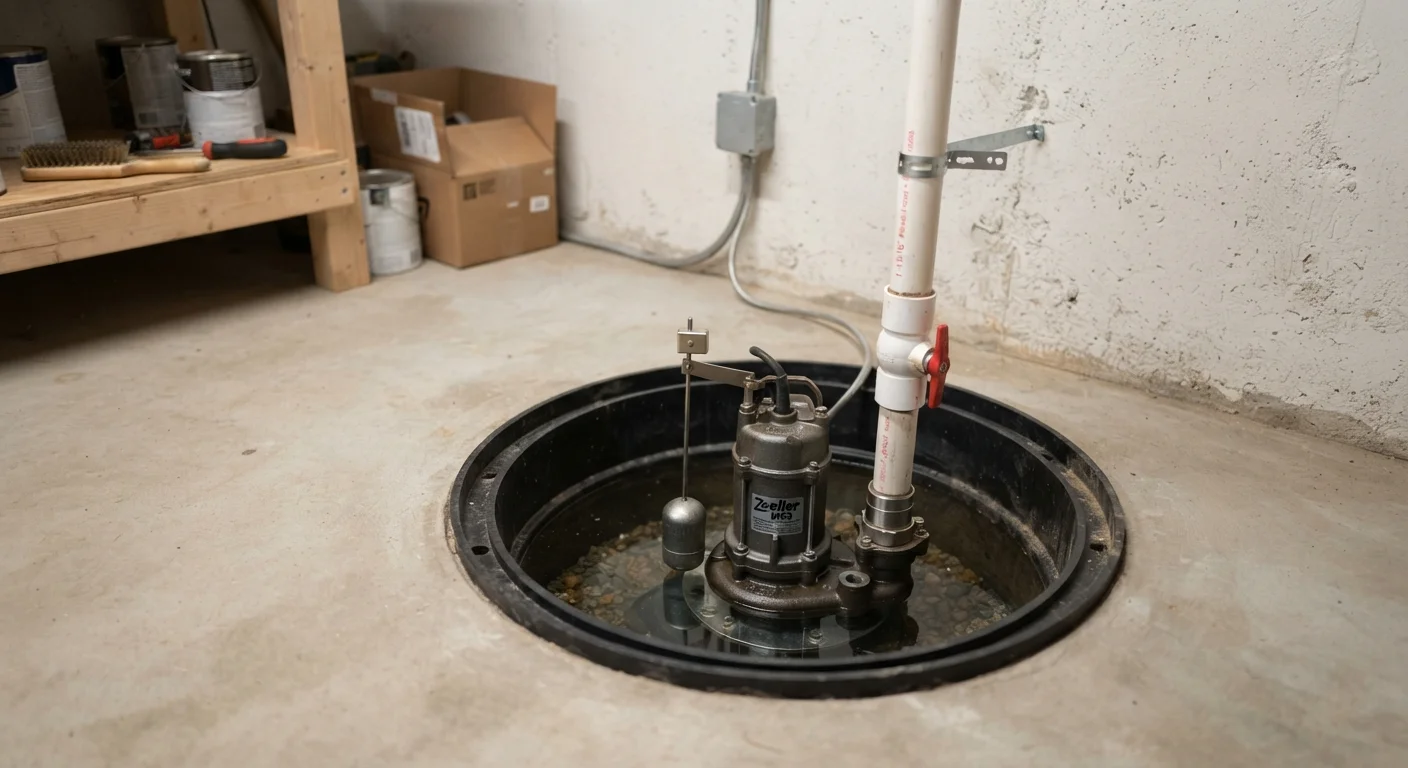
Photo credit: QuickInsights.net
In this article
Sump pumps fail silently—until a flooded basement forces an expensive fix. Learn how these systems work and what routine care looks like.
Key Takeaways
- Sump pumps can fail silently, making routine testing essential before rainy seasons.
- Most sump pump failures are preventable with simple, low-cost maintenance habits.
- A backup power source is critical because pumps are needed most during power-outage storms.
- The average sump pump lifespan is 7-10 years, and age alone warrants closer monitoring.
- Proper discharge pipe placement prevents water from cycling back into the pit.
What a Sump Pump Actually Does
Buried in a pit in your basement floor, a sump pump does its job invisibly - collecting groundwater and rainwater that seeps through the soil and foundation, then pumping it safely away from the house. Most homeowners only think about it when it stops working. By then, thousands of dollars in water damage may already be underway.
The pump activates automatically when water in the pit rises to a set level, triggering a float switch. It then pushes that water through a discharge pipe that exits your home - typically routing to a storm drain, dry well, or a sloped area of your yard well away from the foundation. Understanding this basic cycle helps you spot when something's off.
For a broader view of how a sump pump fits into your home's overall systems, see our complete guide for new homeowners.
Best Practices for Keeping Your Sump Pump Reliable
Most sump pump problems are predictable and preventable. The practices below address the most common failure points.
Test your pump manually at least twice a year - before spring rains and before winter.
Float switches can stick or corrode during periods of inactivity. A simple pour test confirms the pump activates and evacuates water at the expected rate, giving you time to address problems before a storm arrives.
Install a battery backup system or water-powered backup pump.
Heavy storms - the exact conditions your sump pump is needed for most - frequently knock out power. A primary pump with no backup is a single point of failure at the worst possible moment.
Keep the pit clean and clear of debris.
Gravel, dirt, and sediment accumulate in the pit over time and can clog the pump intake, reducing efficiency or causing premature motor wear.
Verify that the discharge pipe directs water at least 10 feet from the foundation.
If water exits too close to the house, it can percolate back into the soil and re-enter the pit - creating a continuous loop that overworks the pump and undermines the whole system.
Check the check valve on the discharge pipe annually.
A check valve prevents pumped water from flowing back into the pit when the pump shuts off. A failed valve forces the pump to re-pump the same water repeatedly, shortening its lifespan significantly.
Keep a maintenance log noting test dates, observations, and any service performed.
Patterns - like the pump running more frequently than usual - are easier to catch when you have a baseline to compare against. A log also helps a technician diagnose issues faster.
Quick Wins You Can Do This Week
You don't need specialized tools or contractor experience to meaningfully improve your sump pump's reliability. These actions take minutes and can prevent hours of cleanup.
Keep in mind that water management around your home is interconnected. Poorly maintained gutters often funnel excess water directly toward the foundation - creating more work for your sump pump. Our article on gutter care and neglect is a natural companion read.
When to Call a Professional
Some sump pump situations go beyond routine maintenance. If your pump runs continuously without shutting off, makes grinding or rattling noises, or fails to activate during a pour-water test, those are signs that internal components may be worn or the float switch has failed. A licensed plumber can assess and replace the unit safely.
If your pump is more than 10 years old, replacement is often more cost-effective than repeated repairs. Pump installation typically involves electrical connections and proper discharge pipe routing - work best handled by a qualified professional to ensure it meets local code requirements. Always verify permit and inspection requirements with your local municipality before undertaking plumbing work.
Permits and Professional Work
Replacing a sump pump typically involves electrical connections and may require a permit depending on your municipality. Before doing more than basic cleaning and testing, check with your local building department about what work is permitted as DIY versus what requires a licensed plumber or electrician. Requirements vary widely by location.
If you're considering broader basement improvements, be sure to read about common myths around finishing a basement - water management should always be resolved before any finishing work begins.

Author
Home & Garden Editorial Team
Home & Garden Editorial Team is the collective byline for our editorial team and contributor network. Articles published under this byline or an editorial pen name are researched, written, and reviewed according to our editorial standards for clarity, consistency, and independence before publication.
View all articles →