
Gutters: The Part of Your House Homeowners Most Commonly Neglect
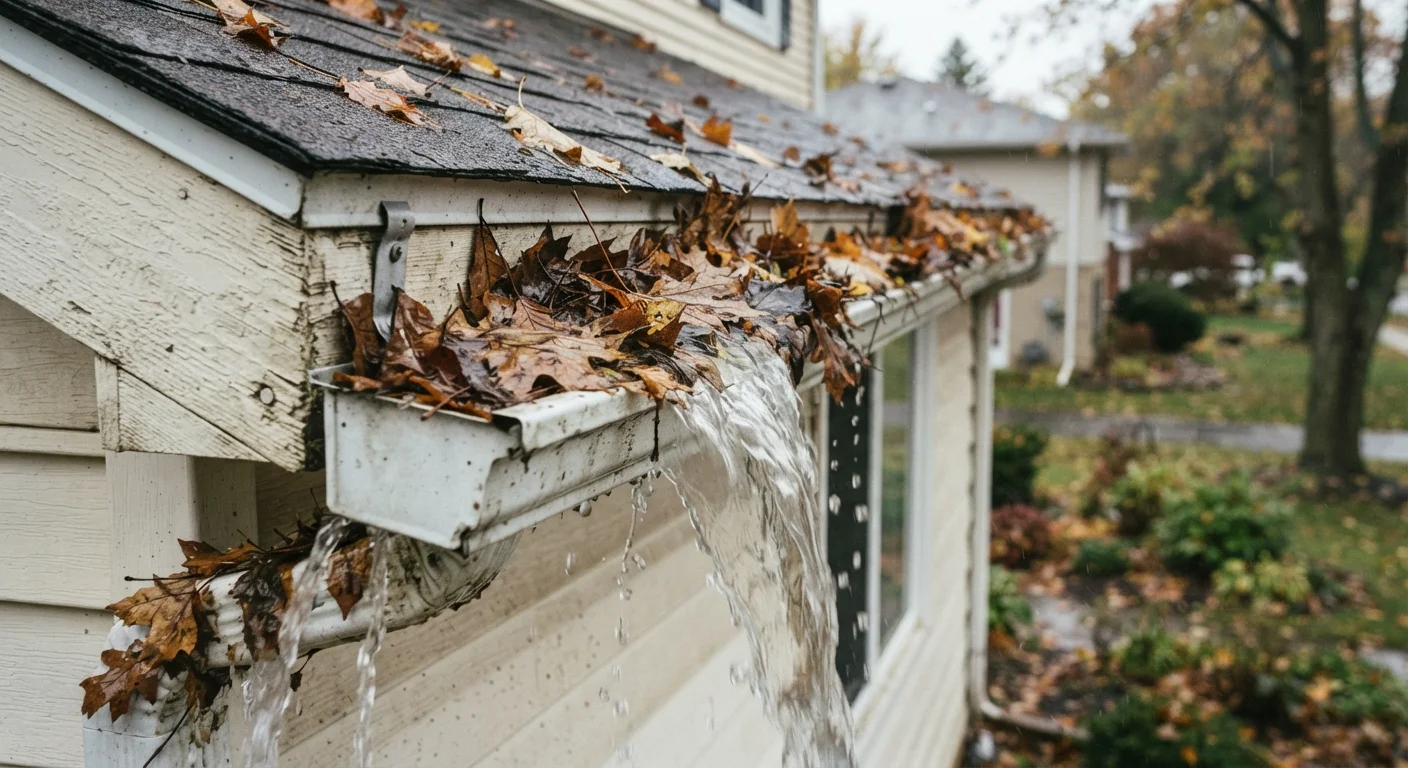
Photo credit: QuickInsights.net
Clogged or damaged gutters are a leading cause of foundation and roof damage. Learn what proper gutter care looks like and when to call a pro.
Key Takeaways
- Gutters should be cleaned at least twice a year - once in spring and once in late fall.
- Clogged or damaged gutters can cause foundation erosion, basement flooding, and roof rot.
- Downspout placement and grading around your home are just as important as the gutters themselves.
- Small gutter problems caught early rarely require professional repair - neglected ones often do.
- Gutter guards reduce cleaning frequency but do not eliminate the need for maintenance entirely.
Why Gutters Deserve Your Attention
Gutters sit in plain sight, yet most homeowners barely think about them until something goes wrong. Their job is deceptively simple: channel rainwater away from your roof, walls, and foundation. When they fail - through clogging, sagging, or improper drainage - the consequences ripple into some of the most expensive repair categories in home ownership.
Foundation damage caused by poor water management can run into tens of thousands of dollars. Fascia rot, basement moisture intrusion, and landscape erosion are common companions to neglected gutters. See our complete home maintenance guide for a broader look at the systems that protect your home from the outside in.
The good news: gutter maintenance is straightforward, inexpensive, and largely preventable when approached consistently.
Cleaning gutters only when they look obviously blocked from the ground.
Why it happens: Most homeowners assess gutters visually from the yard, where a gutter can appear fine while sediment, shingle granules, and compacted debris are silently obstructing water flow.
Letting downspouts discharge water too close to the foundation.
Why it happens: Many homeowners focus only on keeping gutters clear and overlook where the water actually ends up. Short downspout extensions or missing splash blocks allow water to pool right against the foundation.
Ignoring small sags or separation where gutters pull away from the fascia.
Why it happens: A slightly drooping gutter section looks like a minor cosmetic issue. In reality, it creates a low point where standing water collects, accelerating rust, rot, and eventually a complete failure of the attachment.
Assuming gutter guards eliminate maintenance entirely.
Why it happens: Gutter guard products are widely marketed as a near-permanent solution, and homeowners reasonably - but incorrectly - conclude they no longer need to inspect or clean after installation.
Skipping gutter inspection after major storms.
Why it happens: Homeowners tend to check roofs and yards after high winds or heavy rain, but gutters are rarely part of that post-storm walkthrough.
Building Better Gutter Habits
Avoiding gutter problems is less about heroic repairs and more about consistent, modest attention. Cleaning twice a year - once after the last leaves fall in autumn and once in late spring after tree seeds and pollen settle - covers the majority of homes adequately. Homes surrounded by many deciduous trees or in areas with heavy pine needle drop may need a third cleaning.
~$10,000+
Average cost of foundation water damage repair
The National Association of Home Builders and various restoration contractors commonly cite water intrusion as among the most expensive home repairs, with foundation-related work often ranging from several thousand to well over ten thousand dollars.
2×/year
Minimum recommended gutter cleanings
Most roofing and home maintenance authorities recommend cleaning gutters at least twice annually, with additional cleanings for homes under heavy tree cover.
Integrate gutter checks into a broader seasonal routine. Our month-by-month maintenance calendar can help you schedule cleaning, inspection, and downspout checks without letting any season slip by unattended.
When inspecting gutters, check the fascia boards - the boards your gutters attach to - for softness or discoloration, which can signal moisture damage behind the gutter. Familiarize yourself with related terminology using our roofing terms reference guide. Also verify that soil around your foundation slopes away from the house, reinforcing what your downspouts are working to accomplish.
Don't Climb a Ladder Without a Spotter
Gutter cleaning requires working at height on a ladder, which carries a real risk of falls. Always use a stable, properly rated ladder on level ground, and have another adult present as a spotter. If your gutters are higher than a single story or require working from a roof, consider hiring a professional rather than taking on that risk yourself.
If your basement shows any signs of moisture intrusion, gutter performance is one of the first things to evaluate - alongside your sump pump system, which works in tandem with exterior drainage to keep water out.
Finally, poorly ventilated attics can contribute to ice dams in cold climates, which place additional stress on gutters in winter. Understanding how attic insulation and ventilation interact adds another layer of protection for your entire roof-and-gutter system.

Author
Home & Garden Editorial Team
Home & Garden Editorial Team is the collective byline for our editorial team and contributor network. Articles published under this byline or an editorial pen name are researched, written, and reviewed according to our editorial standards for clarity, consistency, and independence before publication.
View all articles →