
DIY vs. Professional Installation: How to Draw the Line
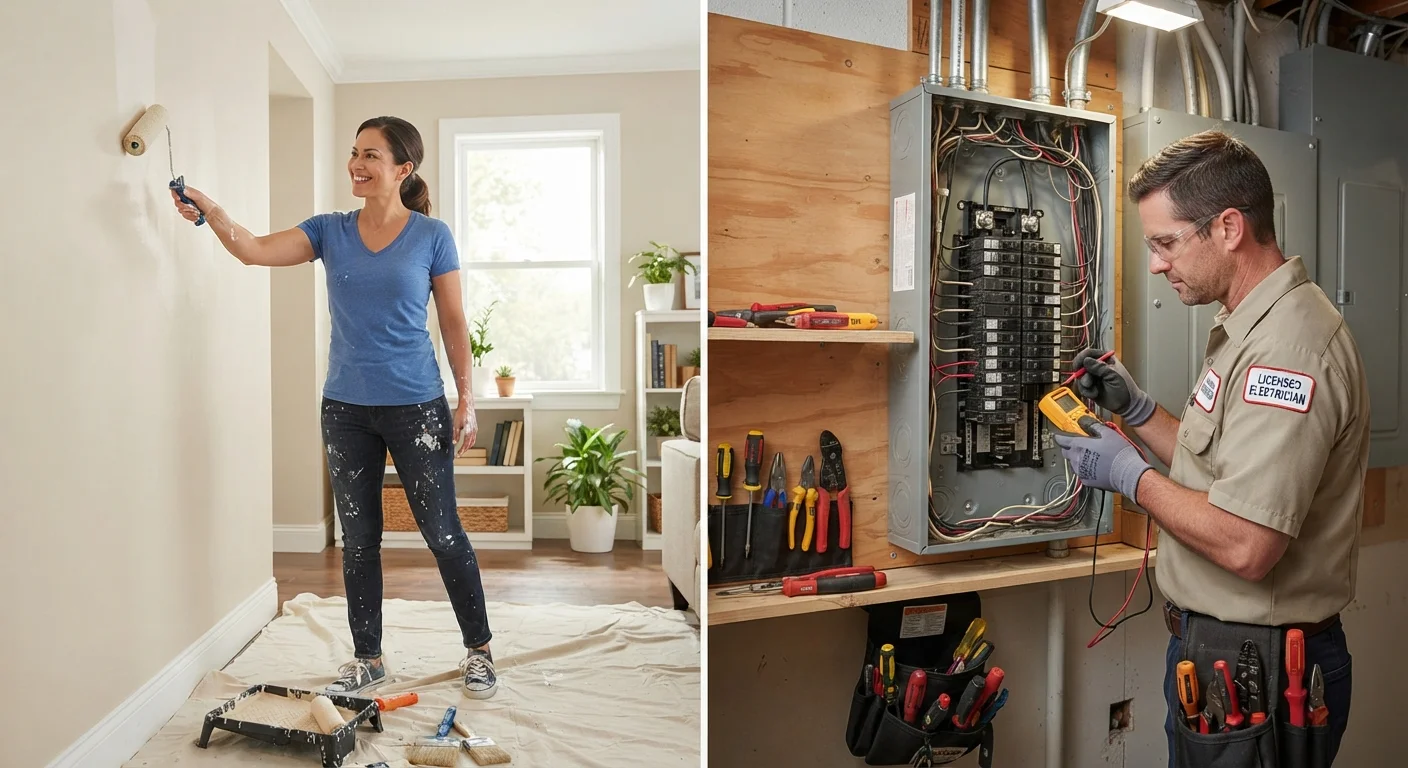
Photo credit: QuickInsights.net
In this article
Some jobs are satisfying to tackle yourself; others are best left to licensed pros. Here's how to tell the difference before you start.
Key Takeaways
- Skill level, safety risk, and permit requirements are the three core factors in any DIY-vs-pro decision.
- Electrical, gas, structural, and plumbing-into-mains work typically requires a licensed professional by law in most jurisdictions.
- Many cosmetic and maintenance tasks-painting, caulking, landscaping-are well within a motivated homeowner's reach.
- Unpermitted hazardous work can void your homeowner's insurance and complicate future home sales.
- Getting a contractor estimate doesn't obligate you-use it as a benchmark even if you ultimately DIY.
The Core Question: What's Actually at Stake?
Every home improvement decision starts with a single honest question: What happens if this goes wrong? The answer determines far more than your weekend schedule - it shapes your safety, your legal exposure, and your home's resale value.
There are three factors worth weighing before you pick up a tool or dial a contractor:
- Safety risk: Could a mistake injure you, a family member, or a future occupant?
- Permit and code requirements: Does your municipality require a licensed tradesperson and inspection for this work?
- Skill and tool gap: Do you have the knowledge and equipment to do this correctly, not just approximately?
These three filters will steer most decisions clearly. The sections below walk through where the line typically falls - and why it matters to stay on the right side of it.
Where DIY Makes Practical Sense
A wide range of home maintenance and improvement tasks carry low risk, require no permit, and are highly forgiving of beginner mistakes. These are the projects where rolling up your sleeves usually pays off.
Cosmetic and Surface Work
Interior and exterior painting, patching drywall nail holes, caulking around tubs and windows, replacing cabinet hardware, installing peel-and-stick tile backsplashes, and basic landscaping fall squarely in DIY territory. The worst-case scenario with most of these is a result that looks imperfect - and imperfect cosmetic work is fixable.
Simple Maintenance Tasks
Cleaning gutters, replacing HVAC air filters, weatherstripping doors, re-grouting tile, and swapping out light switch covers or outlet covers are all low-stakes tasks covered extensively in manufacturer guides and home improvement resources. Staying current on this type of upkeep is part of responsible home maintenance ownership.
Minor Plumbing Repairs
Replacing a showerhead, swapping a toilet flapper, or installing a new faucet on an existing supply line are generally manageable for a patient beginner. These tasks don't involve cutting into supply lines or altering the drain system, which is where complexity and risk escalate quickly.
Start Small to Build Confidence
If you're new to DIY, choose a low-consequence project first - replacing a faucet or repainting a small room - before tackling anything more complex. Success builds the judgment to recognize when a project is getting beyond your skill level. Keep manufacturer instructions on hand and don't skip prep steps, which is where most beginner mistakes originate.
When a Licensed Professional Is the Right Call
Certain categories of work are regulated for very good reason: errors in these systems can cause fires, carbon monoxide poisoning, structural failure, or flooding. Most local building codes require permits and licensed tradespeople for these projects, and failing to comply can void your homeowner's insurance policy or flag problems during a home inspection at sale time.
Electrical Work
Adding circuits, replacing a breaker panel, installing hardwired fixtures, or any work inside the breaker box requires a licensed electrician in most U.S. jurisdictions. This is one category where cutting corners has life-safety consequences. For a detailed look at which maintenance tasks fall into this category, see tasks that are safer left to licensed professionals.
Gas Lines and Appliances
Gas line installation, relocation, or repair is not a DIY project. A leak that goes undetected is a serious hazard. Licensed plumbers or gas fitters are equipped with the tools and training to do this work safely and to code.
Structural and Load-Bearing Changes
Removing walls, modifying roof framing, or altering load-bearing elements requires engineering knowledge and almost always a permit. An error here affects the structural integrity of your entire home.
Unpermitted Work Has Real Consequences
Completing regulated work without a permit isn't just a technicality - it can create serious liability. Unpermitted electrical or structural work may be flagged during a home inspection, require costly remediation before a sale can close, or result in a denied insurance claim if related damage occurs. When in doubt, contact your local building department before starting any project that might require approval.
The Middle Ground: Know When to Start and When to Stop
Some projects begin as reasonable DIY efforts and reveal mid-task that professional help is needed. Replacing a vanity might uncover corroded supply lines. Patching a ceiling might expose a leak that originates one floor up. Give yourself permission to reassess mid-project without treating it as failure.
When you're genuinely uncertain about scope, getting a professional estimate is worthwhile even if you plan to DIY. It gives you a realistic cost benchmark and often surfaces hidden complexity. Our guide to reading a renovation estimate explains what those line items actually mean so you can compare options confidently.
If you do hire out, preparation matters as much as the work itself. Knowing what to ask a contractor before signing - and what to verify before work begins - protects you from costly surprises and ensures the person on your job site is properly licensed and insured.
DIY vs. Professional: Side-by-Side Comparison
Use the table below as a quick reference when evaluating your next project. It's a starting point - always verify permit requirements with your local building department, as rules vary by municipality.
| Criterion | DIY | Professional Installation | |
|---|---|---|---|
| Typical cost | Materials only; labor is your time | Materials plus skilled labor fees | |
| Safety risk level | Low for cosmetic/maintenance tasks | Required for high-risk systems (electrical, gas, structural) | |
| Permit typically required | Rarely for cosmetic work | Usually for electrical, plumbing, structural | |
| Insurance implications | Unpermitted work may void coverage | Licensed work meets insurer expectations | |
| Skill requirement | Basic to intermediate for most tasks | Trade certification or licensure required | |
| Time investment | Flexible; can span weekends | Contracted timeline; generally faster | |
| Quality control | Depends on your skill and patience | Inspections and warranties often included |

Author
Home & Garden Editorial Team
Home & Garden Editorial Team is the collective byline for our editorial team and contributor network. Articles published under this byline or an editorial pen name are researched, written, and reviewed according to our editorial standards for clarity, consistency, and independence before publication.
View all articles →