
Home Maintenance Tasks That Are Safer Left to Licensed Professionals
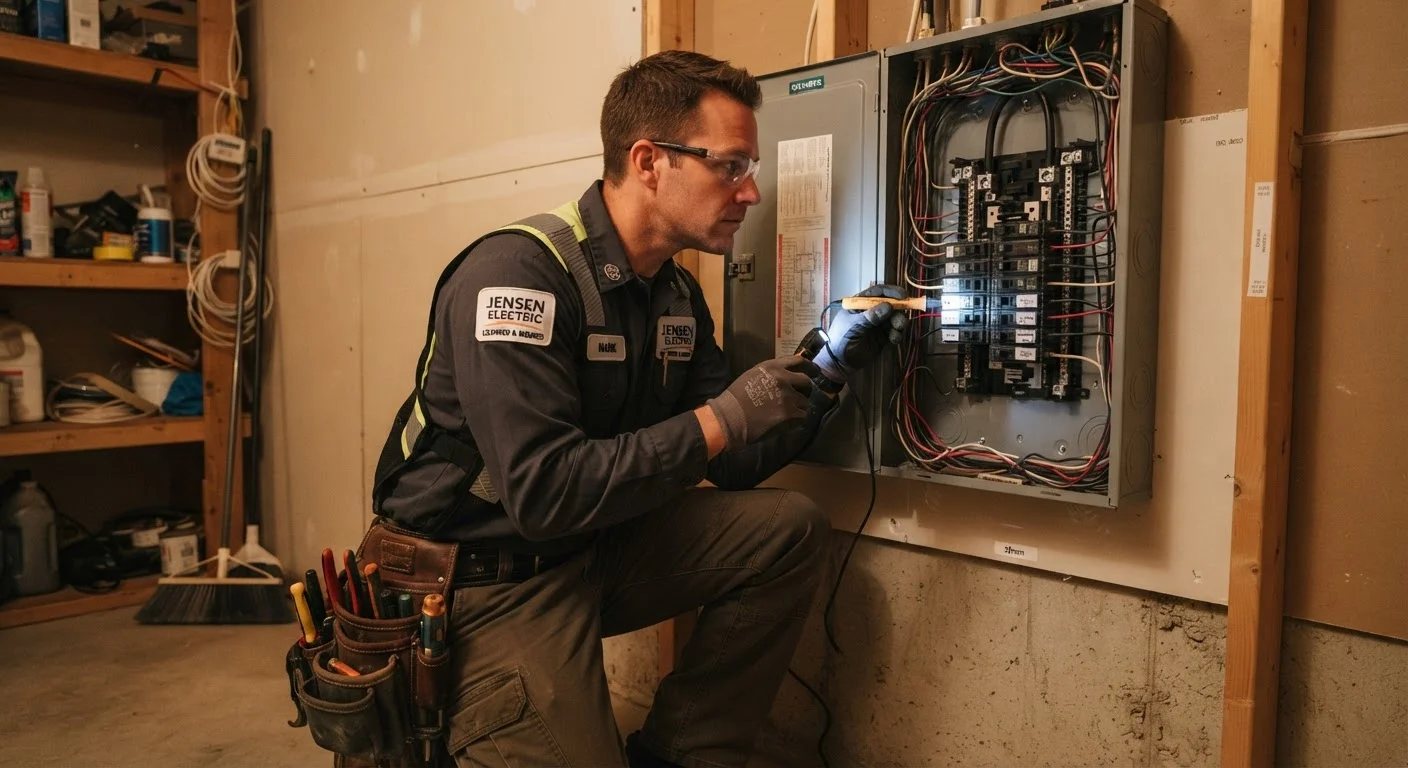
Photo credit: QuickInsights.net
Not every repair is a safe DIY project. Find out which home maintenance tasks—electrical, gas, structural—require a qualified, licensed tradesperson.
Key Takeaways
- Electrical panel work, gas line repairs, and structural changes almost always require a licensed professional.
- Unpermitted or improperly completed work can void homeowner's insurance and complicate future home sales.
- Knowing which tasks to delegate to pros helps you avoid costly - or dangerous - mistakes.
- Always verify a contractor's license, insurance, and permit obligations before work begins.
Why Some Jobs Belong to the Pros
There's a satisfying category of home repairs any capable homeowner can handle: patching drywall, replacing a faucet, painting a room. But beyond those tasks lies a set of jobs where the risks of going it alone are real - injury, fire, flooding, structural failure, or code violations that haunt you at resale time.
The line isn't always obvious, especially with so many tutorial videos making complex work look routine. The truth is that some systems in your home - electrical, gas, structural, and others - involve hazards that don't forgive mistakes, and local codes often legally require a licensed tradesperson to perform or inspect the work. For a broader look at how to decide when to call in help, see our guide on when to hire versus DIY.
The following tasks are among the most commonly attempted DIY projects that are genuinely safer - and often legally required - to leave to licensed professionals.
Electrical Panel Upgrades and Wiring Changes
Working inside an electrical panel - adding circuits, upgrading amperage, replacing a breaker - exposes you to live voltage that can cause fatal electrocution even when the main breaker is off. Beyond the immediate danger, electrical work in most jurisdictions must be performed by a licensed electrician and inspected before walls close up.
Improper wiring is one of the leading causes of residential fires in the U.S. A licensed electrician understands local code requirements, proper wire gauging, grounding, and load calculations that go well beyond what a diagram or tutorial can convey safely.
Electrical panel work involves live voltage risks that can be fatal - always use a licensed electrician.
Gas Line Installation and Repair
Any work involving natural gas or propane lines - relocating a gas appliance, repairing a suspected leak, adding a gas outlet - carries a risk of explosion or carbon monoxide poisoning if done incorrectly. Gas fitting is a licensed trade in virtually every U.S. state, and utility companies typically require their own shutoff and inspection protocols as well.
If you smell gas, leave the home immediately and call your utility provider and emergency services. Never attempt to locate or repair a gas leak yourself.
Gas line mistakes can cause explosions or carbon monoxide poisoning - never treat this as a DIY task.
Structural Modifications and Load-Bearing Wall Removal
Removing or altering a load-bearing wall without engineering analysis can compromise your home's structural integrity, sometimes catastrophically. Identifying which walls are load-bearing is not always intuitive - it requires understanding how your home's framing transfers weight to the foundation.
Any structural modification typically requires a permit, engineer-stamped drawings, and inspection at key stages. A licensed structural engineer and contractor work together to ensure the modification is safe and code-compliant.
Removing the wrong wall without engineering review can compromise your entire home's structural integrity.
Asbestos and Lead Paint Abatement
Homes built before 1980 may contain asbestos in insulation, floor tiles, or joint compound, and lead paint on surfaces. Disturbing these materials - during a renovation or demolition - can release hazardous particles that cause serious long-term health effects, including lung disease and lead poisoning.
Federal and state regulations govern the testing, handling, and disposal of both materials. Licensed abatement contractors are trained and equipped with proper protective gear and disposal protocols. Attempting removal without certification is not only dangerous but potentially illegal.
Disturbing asbestos or lead paint without proper abatement certification is both dangerous and potentially illegal.
Roof Repairs Involving Structural Decking or Flashing
Replacing a few shingles is a task some experienced homeowners tackle, but repairs that involve the roof decking, rafters, ridge board, or complex flashing around chimneys and skylights are a different matter. Improper flashing installation is a leading cause of water intrusion and hidden rot that compounds over time.
Working at roof height also carries a significant fall risk. Roofing contractors are trained in fall protection and have the equipment - harnesses, anchor systems, staging - to work safely at elevation. If the repair is more than surface-level, it warrants a professional assessment.
Flashing errors are a leading cause of hidden water damage - roof repairs beyond shingles need professional eyes.
Main Plumbing Line and Sewer Work
Clearing a slow drain yourself is generally fine. But work on the main water supply line, sewer lateral, or any connection to the municipal system is a different category entirely. Errors can result in flooding, sewage backup, or violations of local utility codes.
In many jurisdictions, connections to public water and sewer systems legally require a licensed plumber and an inspection before backfilling or covering the work. Improper connections can also create cross-contamination risks with potable water. For comprehensive coverage of your home's plumbing and other major systems, see our complete new homeowner maintenance guide.
Main line plumbing connections often require licensed work and inspection - errors can mean sewage backup or code violations.
Protecting Your Home and Your Investment
Understanding which tasks to hand off isn't a sign of limitation - it's smart homeownership. Licensed tradespeople carry insurance, know local codes, and pull the permits that protect you legally. Unpermitted work can stall a sale or lead to costly remediation; for a full breakdown, our article on when permits are required and why skipping one backfires explains what's typically at stake.
Ask About Permits Before Work Starts
A reliable professional will tell you upfront whether a permit is needed for your project and will handle pulling it themselves. If a contractor suggests skipping the permit to save time or money, treat that as a red flag. Unpermitted work can void your homeowner's insurance coverage and create significant problems when you sell the home.
When you do hire help, don't skip the vetting process. Confirming licenses, insurance, and written contracts matters just as much as the repair itself - our guide to hiring a contractor and what to verify walks you through every step. You can also fold professional inspections and service calls into your regular schedule with the help of our month-by-month home maintenance calendar.
This article is for general informational purposes only. Building codes, permit requirements, and licensing rules vary by state and municipality. Always verify local requirements with your local authority having jurisdiction before beginning or hiring out any home repair project.

Author
Home & Garden Editorial Team
Home & Garden Editorial Team is the collective byline for our editorial team and contributor network. Articles published under this byline or an editorial pen name are researched, written, and reviewed according to our editorial standards for clarity, consistency, and independence before publication.
View all articles →