
Curb Appeal: What It Means, What It Affects, and What It Doesn't
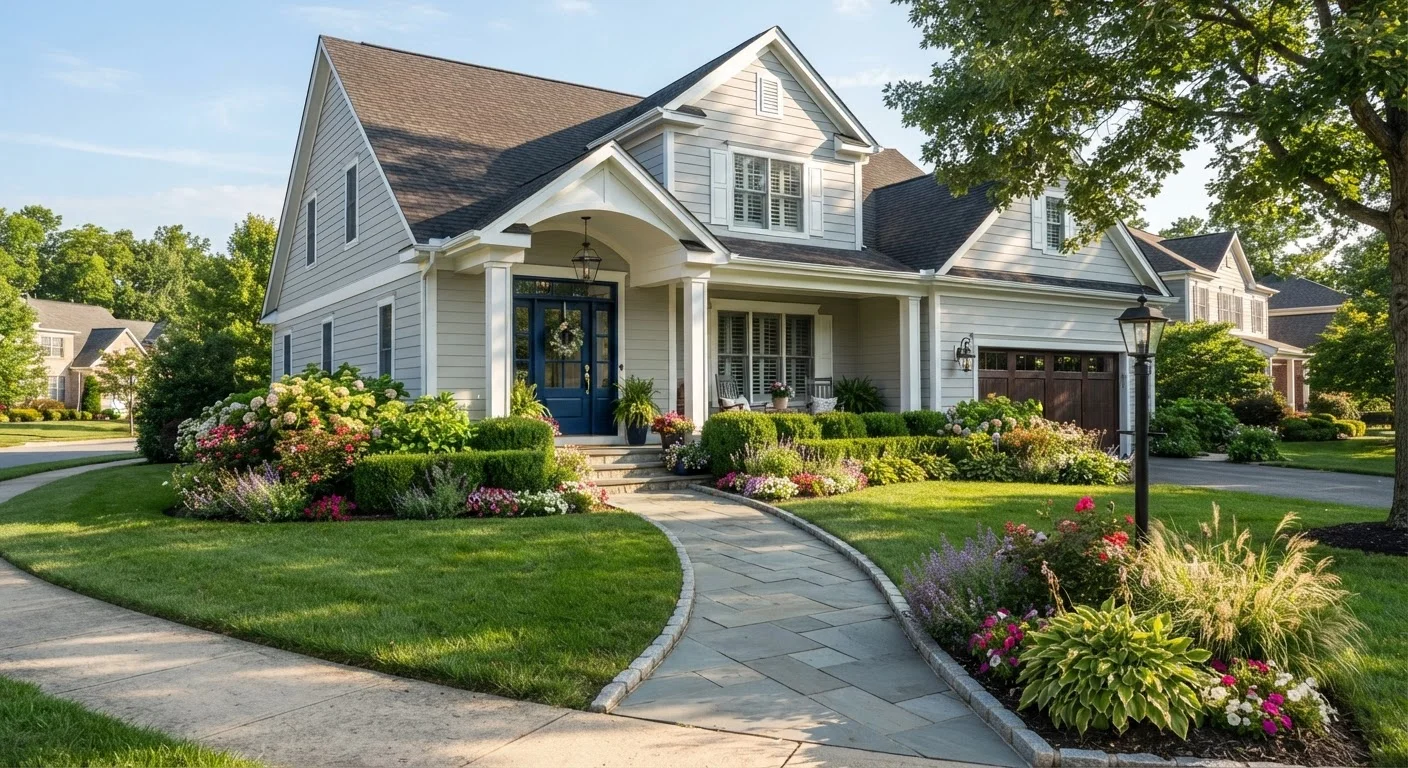
Photo credit: QuickInsights.net
In this article
Curb appeal influences first impressions and sometimes sale price — but its limits are real. Here's an honest look at what exterior upgrades do.
Key Takeaways
- Curb appeal shapes first impressions and can influence a buyer's emotional readiness to engage with a home.
- Well-maintained exteriors help a home sell faster, but dramatic price increases from landscaping alone are not guaranteed.
- Neglected exteriors can actively hurt a listing; good curb appeal mostly removes a negative rather than adding a premium.
- Low-cost improvements like fresh paint, clean walkways, and healthy plants often deliver the most noticeable results.
- Curb appeal does not compensate for interior problems, location issues, or significant structural defects.
What Curb Appeal Actually Is (and Isn't)
Curb appeal is a shorthand term for a property's visual attractiveness as seen from the street. It covers everything a passerby or arriving buyer observes before opening the front door: the lawn, plantings, paint color and condition, roofline, gutters, driveway, walkway, lighting, and any decorative features like shutters or window boxes.
What curb appeal is not is a formal valuation metric. It doesn't appear as a line item on an appraisal report, and it can't be traded directly for a specific dollar amount. Instead, it functions as an emotional and practical signal - communicating to buyers and neighbors how well a property has been cared for.
It's also worth noting what it doesn't cover. The interior layout, kitchen finishes, bathroom condition, mechanical systems, and structural integrity are entirely separate. Strong curb appeal cannot compensate for a home that underdelivers once visitors step inside. See which home improvements actually add resale value for a broader look at where upgrade dollars tend to have real impact.
Curb Appeal and Home Appraisals
Appraisers evaluate a home's exterior condition as part of their overall assessment, but they derive value primarily from comparable sales data in your market. A beautifully landscaped yard will not override weak comparables or override interior deficiencies in the final appraised value. Curb appeal supports the sale process most powerfully during the buyer decision phase - before the appraisal ever takes place.
How Curb Appeal Influences Buyers and Listings
In a real estate context, curb appeal matters most at the moment a buyer decides whether to schedule a showing or skip a listing entirely. A home that looks neglected in photos or at a drive-by can be eliminated before an agent even opens the door. That's the primary risk of poor curb appeal: it removes the home from consideration before its interior strengths can be seen.
Conversely, strong exterior presentation tends to put buyers in a positive frame of mind as they enter - making them more receptive to the home's features. It supports what interior staging then reinforces. For a fuller picture of what buyers respond to once inside, staging decisions that actually influence buyers is a useful companion read.
For sellers, curb appeal is also part of a comprehensive pre-listing preparation. a room-by-room pre-sale checklist can help you identify exterior gaps alongside interior ones before your home goes on the market.
7%
Potential sale price boost from strong curb appeal
Research cited by the National Association of Realtors has suggested well-maintained exteriors may support modestly higher sale prices, though estimates vary widely by market and methodology.
~$1,500
Average cost of basic exterior refresh before listing
Industry estimates for paint touch-ups, lawn care, mulching, and walkway cleaning typically fall in this range, though costs vary significantly by region and property size.
63%
Buyers who form opinions before entering the home
Survey data from real estate industry sources consistently finds that a majority of buyers make a strong preliminary judgment about a home based on exterior appearance alone.
What Exterior Improvements Realistically Deliver
Not all curb appeal investments are equal. Some improvements address genuine deferred maintenance - cracked walkways, peeling paint, failing gutters - and bring the property to a baseline condition buyers and appraisers expect. These corrections remove a negative signal rather than adding a premium, but they're still important.
Others are purely cosmetic enhancements: upgraded planters, decorative lighting, a new mailbox, or seasonal flowers. These can improve photography and first impressions, but their effect on final sale price is hard to measure and likely modest.
High-cost landscaping projects - retaining walls, elaborate irrigation systems, mature tree installation - rarely recoup their full cost at resale. Buyers appreciate them but don't typically pay dollar-for-dollar for them. Thinking through whether you're renovating for enjoyment or resale is worth doing before spending significantly; rethinking why you renovate addresses exactly that trade-off.
Start With What's Broken, Not What's Decorative
Before adding new plantings or decorative lighting, address visible signs of neglect first: peeling paint, cracked walkways, overgrown shrubs, and clogged gutters. Buyers read these as indicators of deferred maintenance throughout the home. Getting the baseline right will do more for your first impression than any enhancement layered on top of problems.
Practical Improvements Worth Prioritizing
If your goal is maximum visual impact for reasonable effort and cost, focus on the elements buyers notice first and that signal active upkeep:
- Front door: A freshly painted or refinished door is one of the highest-visibility, lowest-cost improvements available. Color choice matters - bold but contextually appropriate colors tend to read as intentional rather than mismatched.
- Lawn and plantings: A healthy, mowed lawn and trimmed foundation shrubs signal consistent care. Dead or overgrown plants suggest neglect. You don't need elaborate landscaping - just healthy and tidy.
- Driveway and walkway: Cracks, stains, and heaving concrete draw attention negatively. Cleaning, sealing, or repairing these surfaces is often undervalued.
- Exterior paint and siding: Peeling or faded paint is one of the fastest ways to undermine a property's appeal. A full repaint is expensive but often necessary when deterioration is visible.
- Gutters and roofline: Sagging, clogged, or visibly damaged gutters signal maintenance neglect. Cleaning and securing them costs little but carries real visual weight.
None of these improvements requires a major budget. The discipline is in doing them thoroughly rather than partially.
Frequently Asked Questions

Author
Home & Garden Editorial Team
Home & Garden Editorial Team is the collective byline for our editorial team and contributor network. Articles published under this byline or an editorial pen name are researched, written, and reviewed according to our editorial standards for clarity, consistency, and independence before publication.
View all articles →