
Staging a Home for Sale: What Buyers Actually Notice
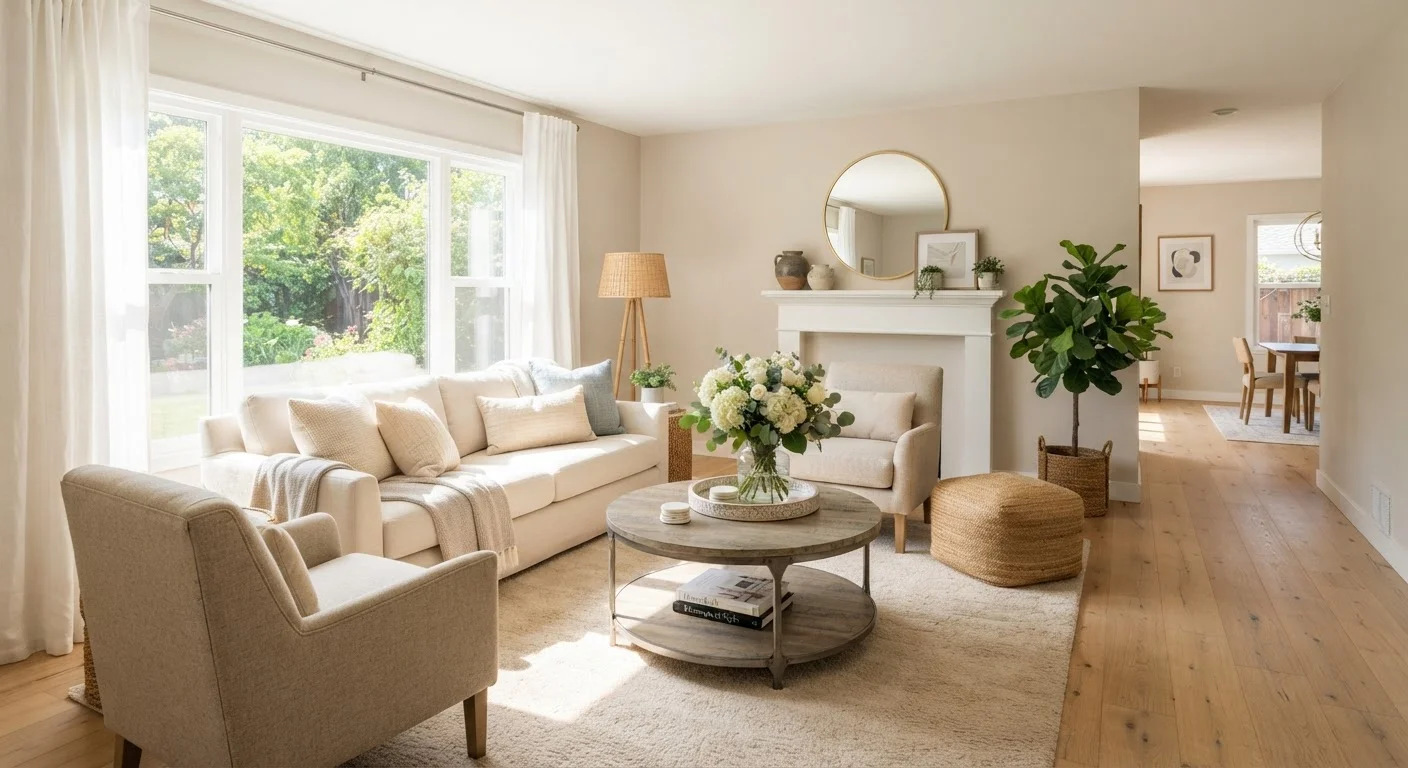
Photo credit: QuickInsights.net
In this article
From furniture arrangement to lighting choices, learn which staging decisions genuinely influence how buyers perceive a property.
Key Takeaways
- First impressions form within seconds - entry spaces and lighting have outsized influence on buyer perception.
- Decluttering and depersonalizing consistently rank among the highest-impact, lowest-cost staging steps.
- Furniture scale and arrangement directly shape how spacious or cramped a room feels during a tour.
- Scent, cleanliness, and natural light are frequently cited by buyers as deal-influencing factors.
- Professional staging is not always necessary - targeted, strategic effort in key rooms often delivers comparable results.
Why Staging Works - and What It Actually Does
Home staging is not about decorating to your own taste. It is about removing obstacles between a buyer's imagination and the property. When buyers walk through a home, they are not evaluating what is there - they are projecting what could be there. Staging clears that path.
Research from the National Association of Realtors has consistently found that staged homes tend to sell faster and are perceived more favorably than comparable unstaged properties. The mechanism is psychological: a clean, thoughtfully arranged space feels move-in ready, which reduces the buyer's perceived risk and negotiating leverage.
For sellers, staging is also a form of competitive positioning. In a market where most listings are viewed online first, staged homes photograph dramatically better - wider-feeling rooms, brighter spaces, and fewer visual distractions. To understand what buyers are actually looking at before they ever schedule a tour, see how buyers read listing details.
The Elements Buyers Notice Most
Not all staging effort delivers equal returns. Buyers reliably respond to a specific set of sensory and spatial cues - understanding these helps sellers prioritize.
Declutter every visible surface before any showing or photography session.
Clutter compresses perceived space and draws the eye to objects rather than the room itself. Buyers unconsciously associate clutter with insufficient storage - a functional concern, not just an aesthetic one.
Maximize natural and ambient light in every room.
Light is one of the first things buyers register. Dark rooms feel smaller and less welcoming. Buyers frequently cite brightness as a top factor in how a home 'felt' during a tour.
Right-size furniture to match each room's actual dimensions.
Oversized furniture makes rooms feel cramped; furniture that is too small can make a space feel disconnected and undefined. Scale communicates livability and helps buyers imagine their own belongings in the space.
Depersonalize the space by removing family photos, collections, and highly specific decor.
Personal items anchor a home to its current owners and make it harder for buyers to mentally move in. The goal is a neutral canvas - not sterile, but not someone else's story.
Address scent before every showing - neutralize, then add a subtle, clean aroma.
Smell is processed faster than sight. Pet odors, cooking smells, and mustiness are among the most common reasons buyers mentally check out of a property before completing a tour.
For a comprehensive room-by-room approach before any of these staging decisions are made, the pre-sale checklist covers repairs and cleanliness gaps that staging cannot fix.
Quick Wins Before the First Showing
Some of the most impactful staging changes cost little or nothing. These actions can be completed in a weekend and immediately shift how a property presents.
81%
Buyers' agents who say staging helps visualization
According to the National Association of Realtors' Profile of Home Staging, 81% of buyers' agents said staging helped their clients visualize the property as a future home.
1-3%
Typical seller's investment in staging as a percentage of list price
Industry guidance generally suggests that sellers who invest 1-3% of a home's list price in staging often see a disproportionate return in perceived value, though outcomes vary by market and property.
What Staging Cannot Fix - and When to Invest Elsewhere
Staging improves perception, but it does not change a home's underlying condition, location, or layout. Buyers notice deferred maintenance - peeling paint, sticking doors, worn grout - regardless of how well-placed the furniture is. These issues signal neglect and invite lower offers.
Similarly, staging a poorly priced home will not overcome buyer resistance to an inflated asking price. And staging cannot substitute for structural or functional improvements that buyers will uncover during inspection.
Focus Staging Effort on High-Traffic Rooms First
If your time or budget is limited, prioritize the living room, primary bedroom, and kitchen - the rooms buyers remember most clearly after a tour. A well-staged main living area makes a stronger lasting impression than scattered effort across every room. Entry spaces are also disproportionately important, since first impressions form before buyers reach any other room.
If you are weighing whether to renovate before listing, it is worth understanding which improvements reliably add resale value - because not every upgrade pays off at sale. Cosmetic staging is almost always a more efficient spend than a renovation undertaken solely to impress buyers.
“Buyers make an emotional decision first and a rational one second. Staging is the discipline of engineering that emotional response before anyone walks through the door.”
— Barbara Corcoran, Real estate entrepreneur and co-founder of The Corcoran Group

Author
Real Estate Editorial Team
Real Estate Editorial Team is the collective byline for our editorial team and contributor network. Articles published under this byline or an editorial pen name are researched, written, and reviewed according to our editorial standards for clarity, consistency, and independence before publication.
View all articles →