
Plant-Based Eating: What It Involves and What the Research Says
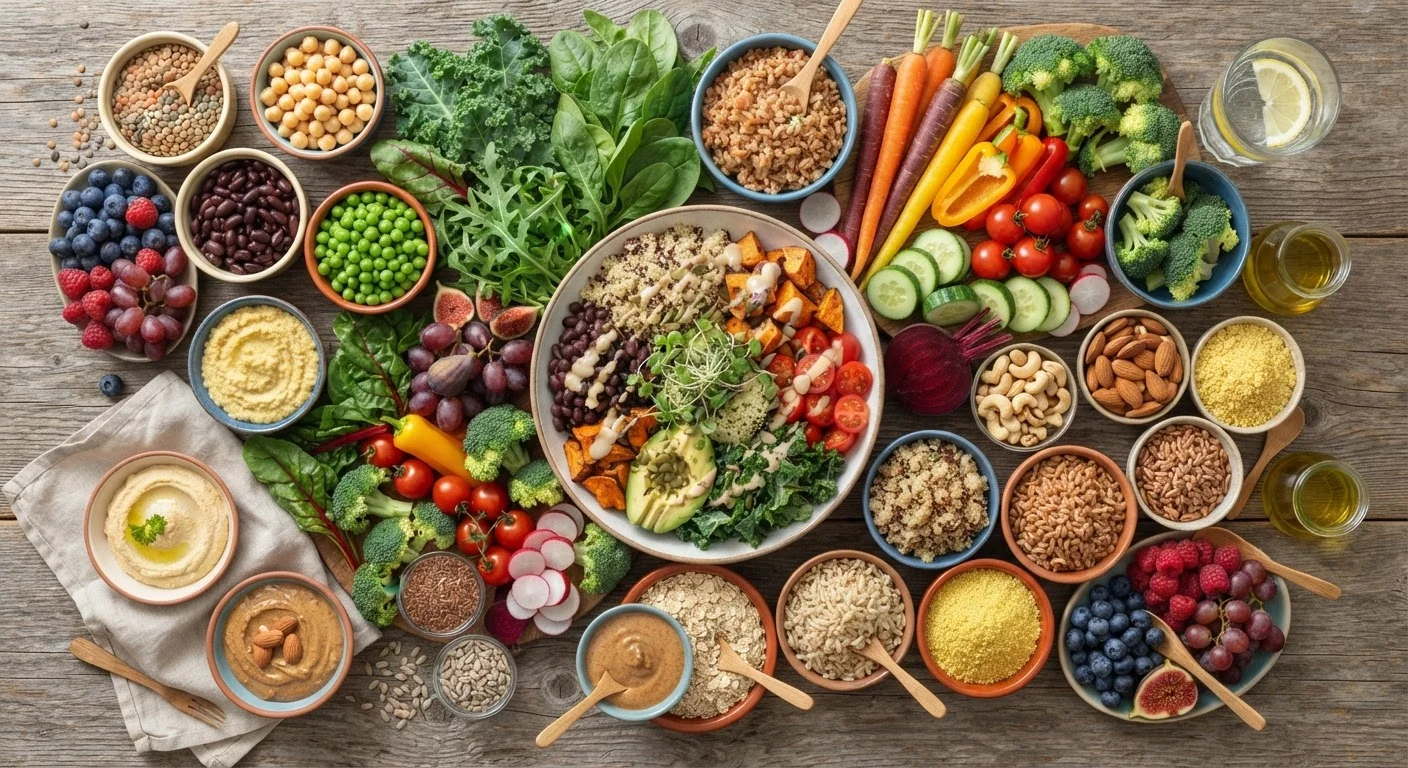
Photo credit: QuickInsights.net
In this article
A balanced look at plant-based diets — their potential benefits, nutritional considerations, and common points of confusion.
Key Takeaways
- Plant-based diets emphasize whole plant foods but exist on a spectrum - not all require eliminating animal products entirely.
- Research links well-planned plant-based diets to reduced risks of heart disease, type 2 diabetes, and certain cancers.
- Key nutrients like vitamin B12, iron, calcium, and omega-3s require deliberate planning or supplementation.
- Highly processed plant-based products are not automatically healthier than whole-food alternatives.
- Individual needs vary significantly - consulting a registered dietitian is advisable before major dietary changes.
Associated with lower cardiovascular disease risk
Multiple large studies link plant-based dietary patterns to lower LDL cholesterol and blood pressure, two major markers of heart disease risk.
High in fiber, supporting digestive and metabolic health
Whole plant foods are naturally rich in dietary fiber, which supports gut health, blood sugar regulation, and satiety - benefits that most Americans fall short of from their current diet.
Linked to reduced type 2 diabetes risk
Research consistently finds lower rates of type 2 diabetes among people eating predominantly whole plant foods, independent of body weight in several analyses.
Can reduce intake of saturated fat
By limiting red and processed meat, plant-based diets often lower saturated fat consumption, which most dietary guidelines recommend reducing for cardiovascular health.
Environmentally lower-impact than meat-heavy diets
While not a direct health benefit, plant-based eating is broadly associated with lower greenhouse gas emissions and land use, an increasingly cited motivation for dietary change.
Vitamin B12 deficiency risk without supplementation
B12 occurs naturally only in animal products. Vegans and strict vegetarians who do not supplement or consume fortified foods face a real risk of deficiency, which can have serious neurological consequences.
Lower bioavailability of key minerals like iron and zinc
Plant-source iron and zinc are absorbed less efficiently by the body, meaning intake levels need to be consciously higher and strategically paired with absorption-enhancing foods.
Requires deliberate planning to meet protein needs
While plant proteins are adequate for most people, achieving a complete amino acid profile requires combining varied plant foods - something that demands more nutritional awareness than omnivorous eating.
'Plant-based' label can be misleading on packaged foods
Many commercially marketed plant-based products are highly processed, high in sodium, and not nutritionally superior to the foods they replace - making label reading essential.
Accessibility and cost barriers for some households
Fresh produce, specialty plant proteins, and fortified foods can be more expensive or less available in food-insecure communities, limiting the practicality of a whole-food plant-based approach.
What 'Plant-Based' Actually Means
The term plant-based diet is used loosely, which creates genuine confusion. At its core, it describes an eating pattern built around foods derived from plants - vegetables, fruits, whole grains, legumes, nuts, and seeds - with animal products either minimized or excluded entirely.
But plant-based is not a single diet. It encompasses:
- Vegan: No animal products whatsoever, including dairy and eggs.
- Vegetarian: Excludes meat and fish, but may include dairy and eggs.
- Flexitarian: Predominantly plant foods, with occasional animal products.
- Whole-food plant-based (WFPB): Emphasizes minimally processed plant foods and typically avoids refined oils and added sugars.
This distinction matters because research findings often apply to specific versions of plant-based eating, not the label as a whole. A diet heavy in refined plant foods - white bread, sugary beverages, processed meat alternatives - may technically be "plant-based" but carries very different health implications than one built around whole grains, legumes, and produce. See our guide to whole vs. processed foods for more on why that distinction matters.
What the Research Supports
The evidence base for well-planned plant-based diets is substantial. Large observational studies and systematic reviews consistently point to associations between plant-centered eating and lower rates of several chronic conditions.
~32%
Lower coronary heart disease risk
A meta-analysis in the Journal of the American Heart Association found plant-based diet adherence associated with approximately 32% lower risk of cardiovascular disease mortality.
23%
Reduced type 2 diabetes risk
A 2019 meta-analysis in JAMA Internal Medicine reported a 23% lower risk of type 2 diabetes among those following healthy plant-based dietary patterns.
~95%
Americans not meeting fiber recommendations
The American Society for Nutrition estimates that the vast majority of U.S. adults fall short of recommended daily fiber intake - an area where plant-based diets consistently perform well.
Cardiovascular health is one of the most studied areas. Research published in journals such as the Journal of the American Heart Association has found that plant-based dietary patterns are associated with reduced LDL cholesterol, lower blood pressure, and decreased risk of coronary heart disease - likely driven by higher fiber intake, lower saturated fat, and the presence of protective phytonutrients.
For type 2 diabetes, a 2019 meta-analysis in JAMA Internal Medicine found that adherence to plant-based diets was associated with significantly lower risk, with the benefit strongest for diets emphasizing high-quality plant foods rather than refined carbohydrates.
Cancer associations are more nuanced. Evidence from the World Cancer Research Fund links high vegetable and fiber intake to reduced colorectal cancer risk, but no plant-based diet has been shown to prevent or cure cancer. Researchers also note that lifestyle factors often cluster together, making direct causation difficult to isolate.
It is also worth noting that most supportive studies are observational. Randomized controlled trials on long-term plant-based eating are limited, so causation cannot always be confirmed. For context on how to interpret nutrition research claims, see our piece on common nutrition myths.
Nutritional Considerations and Common Gaps
Plant-based diets can meet most nutritional needs - but not automatically. Certain nutrients are less abundant or less bioavailable in plant foods, and ignoring them can lead to deficiencies over time.
Special Populations Should Seek Professional Guidance
Children, pregnant individuals, older adults, and people managing chronic conditions have distinct nutritional requirements that make a plant-based transition more complex. For these groups, general guidance is not sufficient - consultation with a registered dietitian is strongly recommended before significantly changing dietary patterns.
Vitamin B12 is the most critical concern. It is found almost exclusively in animal products, and deficiency - which can cause neurological damage - is a genuine risk for vegans and some vegetarians who do not supplement or consume fortified foods. This is not a theoretical risk; it is well-documented and should be addressed proactively.
Other nutrients that require attention include:
- Iron: Plant foods contain non-heme iron, which is absorbed less efficiently than heme iron from meat. Pairing iron-rich foods with vitamin C sources improves absorption.
- Calcium: Dairy-free diets need reliable calcium sources such as fortified plant milks, tofu made with calcium sulfate, and leafy greens like kale and bok choy.
- Omega-3 fatty acids: ALA from flaxseeds and walnuts is a plant-based option, but conversion to the more active forms EPA and DHA is limited. Algae-based omega-3 supplements offer a direct source.
- Zinc and iodine: Both can be lower in plant-exclusive diets and merit monitoring.
For a deeper look at how plant and animal proteins compare across key nutrients, our protein sources comparison covers the topic in detail.
Advantages and Disadvantages at a Glance
The following summaries reflect the current evidence and practical realities of plant-based eating for the general population.
Associated with lower cardiovascular disease risk
Multiple large studies link plant-based dietary patterns to lower LDL cholesterol and blood pressure, two major markers of heart disease risk.
High in fiber, supporting digestive and metabolic health
Whole plant foods are naturally rich in dietary fiber, which supports gut health, blood sugar regulation, and satiety - benefits that most Americans fall short of from their current diet.
Linked to reduced type 2 diabetes risk
Research consistently finds lower rates of type 2 diabetes among people eating predominantly whole plant foods, independent of body weight in several analyses.
Can reduce intake of saturated fat
By limiting red and processed meat, plant-based diets often lower saturated fat consumption, which most dietary guidelines recommend reducing for cardiovascular health.
Environmentally lower-impact than meat-heavy diets
While not a direct health benefit, plant-based eating is broadly associated with lower greenhouse gas emissions and land use, an increasingly cited motivation for dietary change.
Vitamin B12 deficiency risk without supplementation
B12 occurs naturally only in animal products. Vegans and strict vegetarians who do not supplement or consume fortified foods face a real risk of deficiency, which can have serious neurological consequences.
Lower bioavailability of key minerals like iron and zinc
Plant-source iron and zinc are absorbed less efficiently by the body, meaning intake levels need to be consciously higher and strategically paired with absorption-enhancing foods.
Requires deliberate planning to meet protein needs
While plant proteins are adequate for most people, achieving a complete amino acid profile requires combining varied plant foods - something that demands more nutritional awareness than omnivorous eating.
'Plant-based' label can be misleading on packaged foods
Many commercially marketed plant-based products are highly processed, high in sodium, and not nutritionally superior to the foods they replace - making label reading essential.
Accessibility and cost barriers for some households
Fresh produce, specialty plant proteins, and fortified foods can be more expensive or less available in food-insecure communities, limiting the practicality of a whole-food plant-based approach.
For practical meal-planning ideas that incorporate these principles without requiring a complete dietary overhaul, a week of balanced eating offers a useful starting point.
This article is for general informational and educational purposes only and does not constitute medical or nutritional advice. Consult a registered dietitian or qualified healthcare professional before making significant changes to your diet, especially if you have an existing health condition.

Author
Health & Wellness Editorial Team
Health & Wellness Editorial Team is the collective byline for our editorial team and contributor network. Articles published under this byline or an editorial pen name are researched, written, and reviewed according to our editorial standards for clarity, consistency, and independence before publication.
View all articles →