
Why Travelers Keep Returning to Lisbon: The City's Enduring Appeal Explained
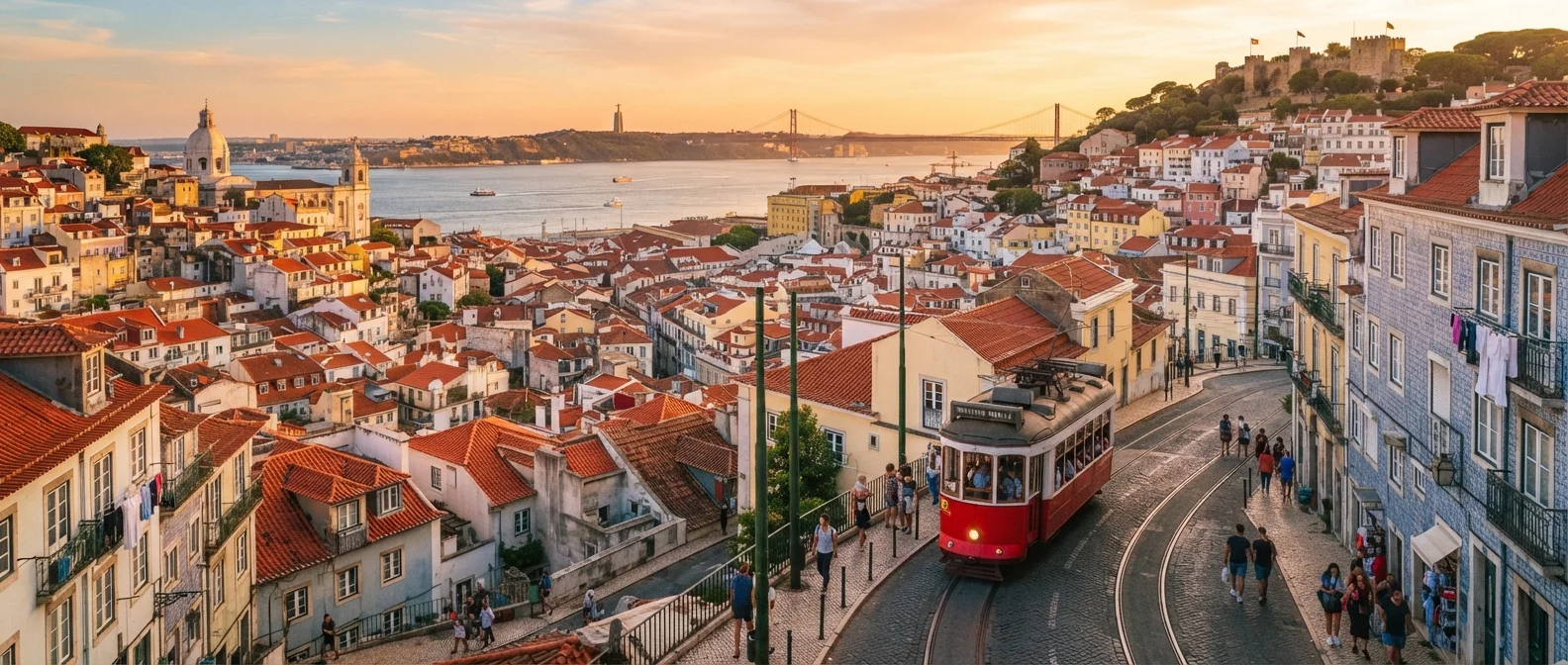
Photo credit: QuickInsights.net
In this article
Lisbon's draw goes beyond tiles and trams. Unpack the cultural, architectural, and practical factors that make Portugal's capital a repeat-visit destination.
Key Takeaways
- Lisbon's seven distinct hillside neighborhoods each offer a noticeably different atmosphere and visitor experience.
- Fado music, azulejo tile art, and Moorish architecture are cultural layers that take more than one visit to appreciate fully.
- The city's compact size makes it walkable, but its hills and tram network add logistical texture worth understanding before you go.
- Lisbon serves as a practical gateway to other Portuguese regions, including the Alentejo and the Sintra-Cascais coast.
- Shoulder seasons - spring and autumn - typically offer a more comfortable experience than peak summer crowds.
A City Built in Layers
Lisbon is one of Western Europe's oldest capitals, and that age is legible in its streets. Roman ruins sit beneath Moorish battlements at São Jorge Castle. Gothic monastery columns stand beside Baroque church facades in Belém. Pombaline grid architecture - built after the catastrophic 1755 earthquake - gives way to Art Nouveau shopfronts in Chiado. No single era dominates, and that visual accumulation is precisely what makes the city feel inexhaustible.
First-time visitors often anchor their itinerary around Alfama, the medieval hillside district most closely associated with fado music and azulejo tile facades. But Alfama is one neighborhood in a city of many. Mouraria, directly adjacent, is older still and carries a more layered demographic history. Príncipe Real is quieter, greener, and home to a weekend antiques market and independent bookshops. Belém, along the waterfront to the west, holds the major maritime monuments from Portugal's Age of Discovery - the Jerónimos Monastery and Tower of Belém - alongside a cluster of contemporary cultural institutions.
7
Distinct hills (morros) the city spans
Lisbon's seven hills are a defining geographic feature that shapes its neighborhood structure, viewpoint culture, and the physical experience of moving through the city.
1755
Year of the earthquake that reshaped Lisbon
The 1755 Lisbon earthquake and subsequent tsunami destroyed much of the city's lower districts; the Pombaline rebuilding that followed created an early example of urban earthquake-resistant grid planning.
3 hrs
Approximate train time from Lisbon to Porto
The Alfa Pendular high-speed service connects Portugal's two largest cities, making Lisbon a practical base for travelers who want to see more of the country without flying domestically.
What Keeps Visitors Coming Back
Return visitors to Lisbon often cite the same realizations: the city is larger than it looks on a map, and slower to reveal itself than a three-day itinerary allows. The hills enforce a particular pace - you can't rush uphill cobblestones - and that pacing tends to produce unexpected encounters: a miradouro (viewpoint) you stumbled onto, a tasca (traditional tavern) down an unmarked alley, a fado performance in a neighborhood bar rather than a ticketed venue.
The food culture reinforces this rhythm. Lisbon's culinary identity is built on simplicity and quality - salt cod in dozens of preparations, fresh seafood, pastéis de nata (custard tarts), and local wines from the Alentejo and Setúbal. Meals are rarely rushed, and the pastelaria (pastry shop) culture means there's always a reason to pause. Travelers who approach the city as a food destination find it deepens with each visit.
“Lisbon is one of those cities that rewards slowness. The more you resist the urge to check things off a list, the more it gives you.”
— Rui Zink, Portuguese novelist and cultural commentator
Lisbon also functions as a natural hub. Day trips to Sintra's palaces and the Cascais coast are well-established, and the high-speed Alfa Pendular train makes Porto reachable in under three hours. For travelers who want a genuine contrast - wide open skies, cork forests, hilltop villages - the Alentejo region offers a complete change of pace accessible by car or bus within two hours.
Practical Considerations for Planning Your Visit
Understanding Lisbon's geography before arrival saves significant frustration. The city's hills mean that a hotel location that looks central on a flat map may sit at the top of a steep climb from the nearest metro station. Checking elevation relative to your most-visited neighborhoods is worth the extra research step. The historic trams (particularly Line 28E through Alfama) are beloved but frequently overcrowded - consider walking the same routes during off-peak hours to actually see the neighborhoods rather than queue for a tram.
Seasonal planning matters more than many travelers anticipate. Summer brings long daylight hours and a vibrant outdoor scene, but also significant heat and congestion at major monuments. Queues at Jerónimos Monastery, for example, can be substantial in July and August. Booking timed-entry tickets for major sites in advance is generally advisable regardless of season.
Entry requirements, visa rules, and health documentation vary by nationality and can change. Always verify current requirements through official Portuguese government and U.S. State Department sources well before your travel date - do not rely on third-party summaries alone. Travel insurance that includes medical coverage and trip interruption is worth considering for any international trip.
Finally, budget for more time than you think you need. The consistent feedback from Lisbon visitors isn't that they ran out of things to do - it's that they ran out of days.
Frequently Asked Questions

Author
Travel Editorial Team
Travel Editorial Team is the collective byline for our editorial team and contributor network. Articles published under this byline or an editorial pen name are researched, written, and reviewed according to our editorial standards for clarity, consistency, and independence before publication.
View all articles →