
What a Credit Freeze Does-and When It Makes Sense
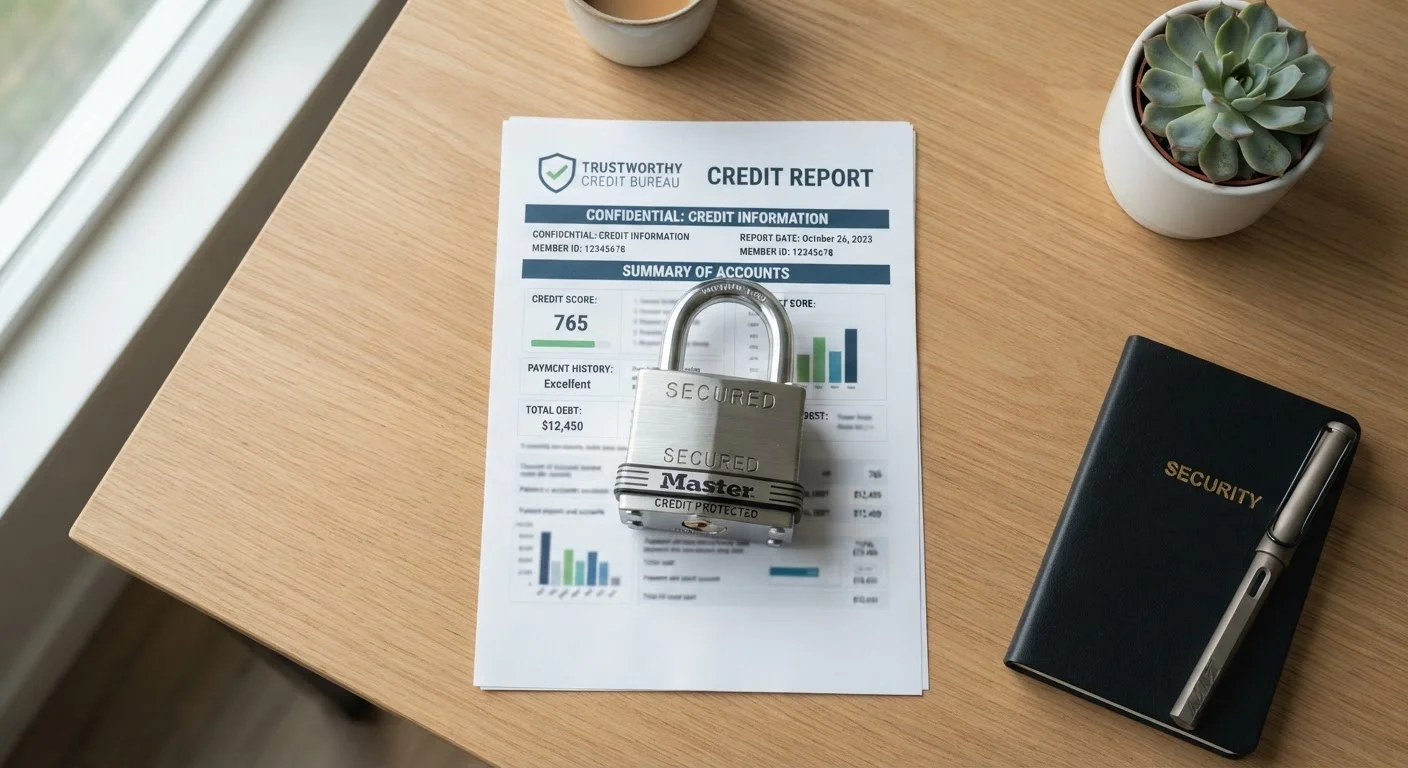
Photo credit: QuickInsights.net
In this article
A credit freeze restricts access to your credit file. Understand how it works, what it protects against, and what it doesn't do for your existing accounts.
Key Takeaways
- A credit freeze blocks new lenders from pulling your credit report, preventing most new-account fraud.
- Freezes are free to place and lift at all three major credit bureaus under federal law.
- A freeze does not affect your existing accounts, credit score, or ability to use current credit cards.
- You must temporarily lift a freeze whenever you apply for new credit, a job, or housing.
- A freeze is not a substitute for monitoring your existing accounts for unauthorized charges.
Blocks most new-account identity theft effectively
Because lenders typically cannot approve new credit without accessing your report, a freeze stops the majority of fraudulent new-account attempts cold.
Completely free to place and remove
Federal law guarantees no-cost freezes and thaws at all three major bureaus, removing any financial barrier to using this protection.
No impact on your existing credit score
Placing a freeze does not affect how your score is calculated; it only restricts who can initiate a new inquiry against your file.
Reversible on demand when you need credit
Lifts can typically be processed online or by phone within minutes, giving you flexibility to apply for credit and then refreeze.
Extra step required before every new credit application
You'll need to remember to lift the freeze-at the right bureau or all three-before applying for any new loan, credit card, or service that pulls your credit.
Doesn't protect existing accounts from fraud
Unauthorized charges on current cards or accounts are completely unaffected by a freeze; you need separate account monitoring for that.
Must be placed at each bureau separately
There is no single master switch-freezing one bureau does not freeze the others, which means three separate logins and steps.
May cause delays in time-sensitive applications
If you forget to lift the freeze before applying, approval can be delayed until the thaw is processed, which can be inconvenient in urgent situations.
How a Credit Freeze Actually Works
When you place a credit freeze-also called a security freeze-at a credit bureau, you're essentially locking your credit file so that new lenders, landlords, or other creditors cannot pull it during their application review. Because most lenders won't approve new credit without first viewing your report, a freeze makes it very difficult for a fraudster to open accounts in your name, even if they have your Social Security number and other personal details.
You must freeze your file separately at each of the three major bureaus: Equifax, Experian, and TransUnion. Under the Economic Growth, Regulatory Relief, and Consumer Protection Act of 2018, this is free for all Americans. The same law makes it free to lift-or "thaw"-a freeze, either permanently or temporarily.
To understand why lenders check your credit in the first place, see our plain-language explainer on credit scores.
Freeze vs. Fraud Alert: Key Difference
A fraud alert is a lighter-touch option that asks lenders to take extra steps to verify your identity before extending credit-but it doesn't block access to your file entirely. Fraud alerts are easier to set up (placing one at a single bureau notifies the others automatically) but offer less protection than a full freeze. An extended fraud alert, available to confirmed identity theft victims, lasts seven years. A basic fraud alert lasts one year.
What a Freeze Protects Against-and What It Doesn't
A credit freeze is specifically designed to stop new-account fraud-the kind where a thief uses your identity to open a new credit card, personal loan, or utility account. That's a meaningful protection, given that new-account fraud is among the most common forms of identity theft reported to the Federal Trade Commission.
However, a freeze has real limits worth understanding:
- It does not protect existing accounts. If a fraudster already has your credit card number, they can still make unauthorized charges-a freeze won't stop that. You need to monitor your statements separately.
- It doesn't block all access to your file. Certain parties can still access your report even when frozen: your current creditors, debt collectors acting on behalf of existing creditors, government agencies, and companies that use prescreened offers (though you can opt out of those separately).
- It doesn't affect your credit score. A freeze has no impact on the score itself-it simply restricts who can initiate a hard inquiry. For more on how inquiries and other factors shape your score, our guide to reading your credit report is a useful companion.
1 in 3
Americans affected by a data breach annually
The Identity Theft Resource Center has consistently found data breach notifications reaching tens of millions of Americans each year, making proactive protections like freezes increasingly relevant.
$0
Cost to freeze or unfreeze your credit
Since the passage of federal legislation in 2018, all three major credit bureaus are required by law to provide security freezes at no charge to consumers.
Pros and Cons of Placing a Credit Freeze
A freeze offers strong protections, but it does introduce some friction into everyday financial life. Here's the balanced picture:
Blocks most new-account identity theft effectively
Because lenders typically cannot approve new credit without accessing your report, a freeze stops the majority of fraudulent new-account attempts cold.
Completely free to place and remove
Federal law guarantees no-cost freezes and thaws at all three major bureaus, removing any financial barrier to using this protection.
No impact on your existing credit score
Placing a freeze does not affect how your score is calculated; it only restricts who can initiate a new inquiry against your file.
Reversible on demand when you need credit
Lifts can typically be processed online or by phone within minutes, giving you flexibility to apply for credit and then refreeze.
Extra step required before every new credit application
You'll need to remember to lift the freeze-at the right bureau or all three-before applying for any new loan, credit card, or service that pulls your credit.
Doesn't protect existing accounts from fraud
Unauthorized charges on current cards or accounts are completely unaffected by a freeze; you need separate account monitoring for that.
Must be placed at each bureau separately
There is no single master switch-freezing one bureau does not freeze the others, which means three separate logins and steps.
May cause delays in time-sensitive applications
If you forget to lift the freeze before applying, approval can be delayed until the thaw is processed, which can be inconvenient in urgent situations.
The friction is real but manageable. Most bureaus allow you to lift a freeze online or by phone within minutes, so a temporary thaw for a planned credit application is a straightforward process. If you're about to apply for a mortgage, auto loan, or new credit card, just lift the freeze at the relevant bureau before submitting your application, then refreeze afterward. Our credit readiness checklist can help you prepare before any application.
When a Credit Freeze Makes the Most Sense
A freeze is especially worth considering in these situations:
- After a data breach: If a company notifies you that your personal information-especially your Social Security number-was exposed, a freeze is a reasonable immediate step.
- If you're not applying for credit soon: The inconvenience is minimal when you're not in the market for new loans or accounts. Freezing and refreezing becomes costless routine.
- For children and elderly relatives: Minors and older adults are common targets for synthetic identity fraud. A freeze on a child's credit file (if one exists) or an elderly parent's file can be a protective measure-each bureau has a process for this.
- After identity theft: If you've already been victimized, a freeze is typically one of the first steps recommended alongside filing an FTC identity theft report.
Be aware that some decisions you might not expect-like renting an apartment or applying for certain jobs-involve a credit check. Knowing this ahead of time lets you plan your thaw accordingly, rather than being caught off guard. Common credit decisions that seem harmless covers other situations where your credit file comes into play in ways many people don't anticipate.
This article is for general informational purposes only and does not constitute personalized financial or legal advice. For guidance specific to your situation, consult a licensed financial professional.

Author
Personal Finance Editorial Team
Personal Finance Editorial Team is the collective byline for our editorial team and contributor network. Articles published under this byline or an editorial pen name are researched, written, and reviewed according to our editorial standards for clarity, consistency, and independence before publication.
View all articles →