
Credit Scores Explained: What the Number Actually Means
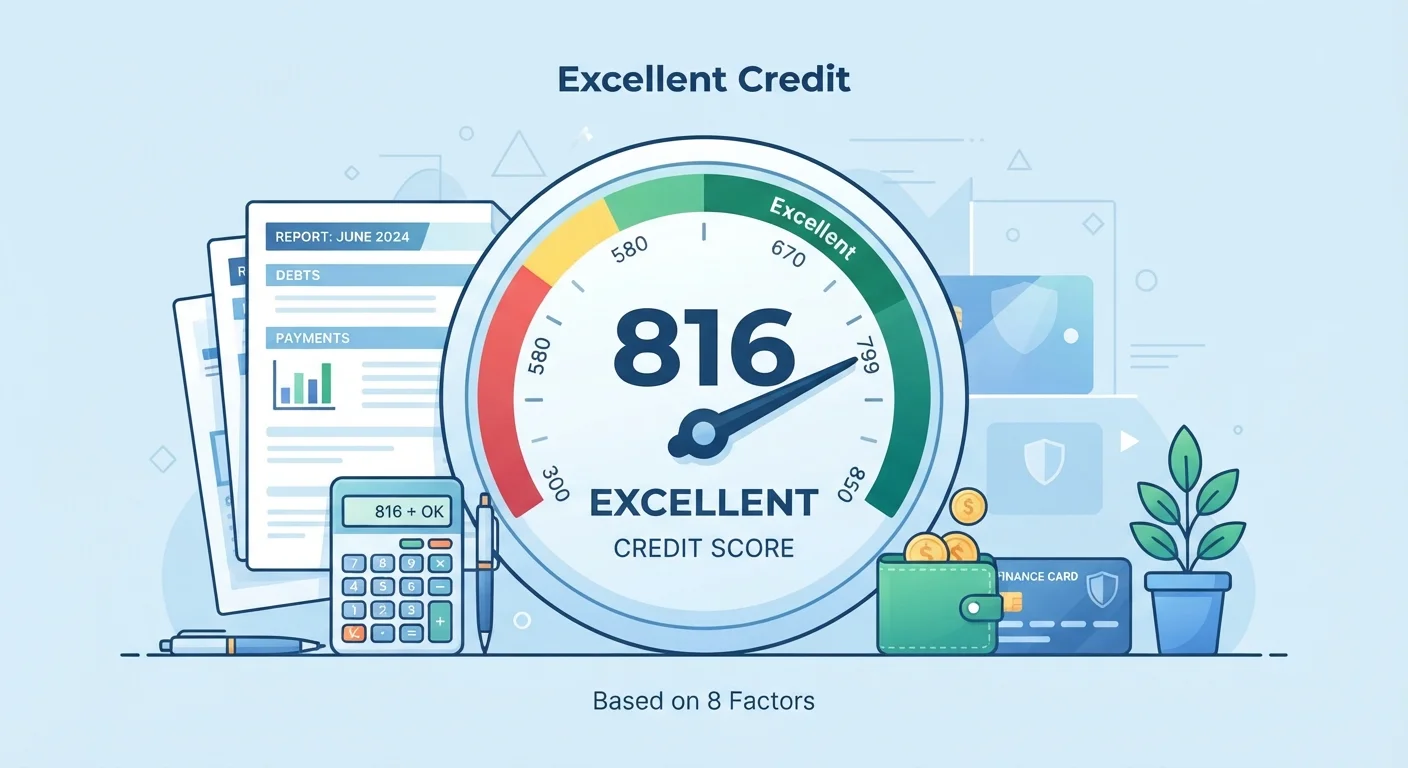
Photo credit: QuickInsights.net
In this article
Learn what your credit score is, how it's calculated, and why it matters for loans, rentals, and more—in plain, jargon-free language.
Key Takeaways
- Credit scores range from 300 to 850; higher scores signal lower risk to lenders.
- Payment history is the single most influential factor in your score.
- A score above 670 is generally considered "good" under the FICO model.
- Your score affects loan approvals, interest rates, rental applications, and sometimes job screenings.
- Checking your own credit score does not hurt it - that's a soft inquiry.
- You have multiple credit scores; they can differ slightly depending on the model used.
What Goes Into Your Credit Score
Your credit score doesn't come from thin air - it's calculated from the information sitting in your credit report. The FICO model, the most widely used, breaks that calculation into five weighted categories. Payment history carries the most weight, accounting for roughly 35% of your score. It answers a simple question: do you pay your bills on time?
The next largest factor is amounts owed, which makes up about 30% of your score. This is largely driven by your credit utilization ratio - how much of your available revolving credit you're currently using. Using a large portion of your available credit can signal financial stress to lenders, even if you're making minimum payments on time.
The remaining 35% is split across length of credit history (15%), credit mix (10%), and new credit inquiries (10%). For a detailed breakdown of each factor and how specific behaviors move each one, see the five factors behind your FICO score.
716
Average U.S. FICO Score
According to FICO's most recently published data, the average American's FICO Score sits at 716, placing the typical consumer in the "good" range.
35%
Weight of Payment History in FICO Score
Payment history is the single largest component of a FICO Score, making on-time payments the highest-impact habit for building credit.
~1 in 5
Americans with Poor Credit Scores
Research from the Consumer Financial Protection Bureau has found that roughly one in five Americans has a credit score that limits their access to mainstream financial products.
What the Number Ranges Actually Mean
Credit score ranges give lenders - and you - a shorthand for credit risk. Here's how FICO's standard tiers break down:
- 800-850 (Exceptional): You'll typically qualify for the most favorable interest rates and terms.
- 740-799 (Very Good): You're likely to receive competitive offers from most lenders.
- 670-739 (Good): Near or above the average for U.S. consumers; most lenders will work with you.
- 580-669 (Fair): You may qualify for credit but often at higher rates or with stricter terms.
- 300-579 (Poor): Credit approval is difficult, and secured products or credit-building tools may be the starting point.
These ranges are guidelines, not hard cutoffs. Individual lenders set their own approval thresholds, and a single score number is rarely the only variable in a lending decision.
Review Your Credit Report Regularly
You're entitled to a free credit report from each of the three major bureaus - Equifax, Experian, and TransUnion - through AnnualCreditReport.com. Reviewing your report regularly lets you catch errors or unfamiliar accounts that could be dragging your score down. Disputing inaccurate information is a right protected under the Fair Credit Reporting Act.
Why Your Score Matters Beyond Borrowing
Most people think of credit scores in the context of loans and credit cards - but the number reaches further than that. Landlords frequently run credit checks before approving a rental application. A low score can mean a rejected application or a requirement for a larger security deposit.
If you're planning to buy a home, your score carries even more weight. Lenders use it to set your mortgage interest rate, and a difference of even 50 points can translate into thousands of dollars over the life of a loan. For a closer look at that dynamic, see how your credit score shapes your mortgage.
Some employers - particularly in finance and government - also review credit history as part of background checks, though this practice is regulated and varies by state. Auto insurance companies in many states factor credit-based insurance scores into premium calculations as well.
Common Misconceptions Worth Clearing Up
Credit scores attract a lot of folklore. One of the most persistent myths is that checking your own score hurts it. It doesn't - that's a soft inquiry. Another common belief is that carrying a small balance on your credit card helps build credit faster than paying it off in full. That's not supported by how scoring models actually work; carrying a balance only costs you interest without a corresponding score benefit.
For a fuller look at what the evidence actually shows, widely believed credit score myths walks through the most common misconceptions.
Understanding what's actually inside your credit report - the underlying data that feeds your score - is equally important. A section-by-section look at everything on your credit report can help you see the full picture lenders see when they evaluate your application.
This article is for general informational purposes only and does not constitute personalized financial or legal advice. For guidance specific to your situation, consult a qualified financial professional.
Frequently Asked Questions

Author
Personal Finance Editorial Team
Personal Finance Editorial Team is the collective byline for our editorial team and contributor network. Articles published under this byline or an editorial pen name are researched, written, and reviewed according to our editorial standards for clarity, consistency, and independence before publication.
View all articles →