
Planning a Whole-Home Renovation Without Losing Your Mind
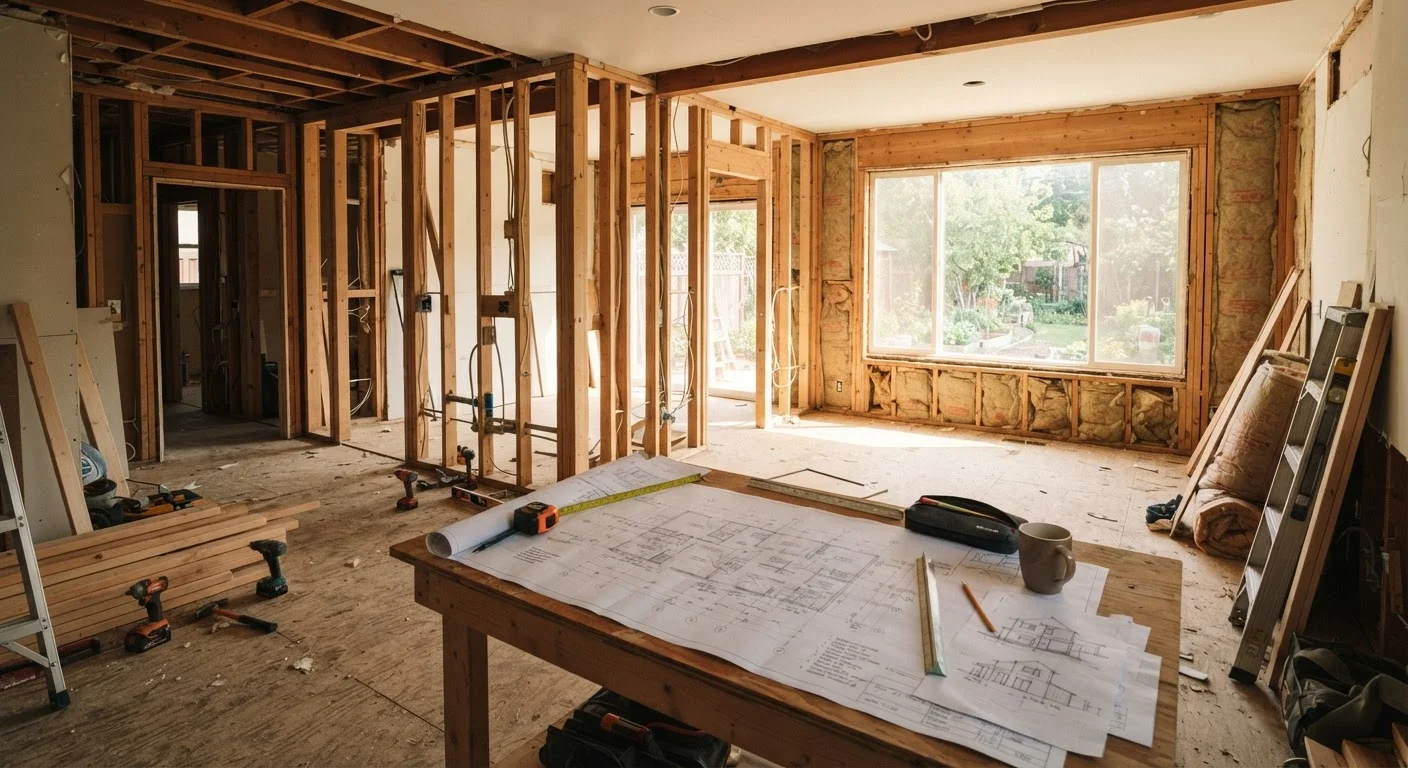
Photo credit: QuickInsights.net
In this article
Renovating multiple rooms or systems at once requires sequencing, realistic timelines, and clear communication. Here's how to approach it.
Key Takeaways
- Sequencing work in the right order - structure first, finishes last - prevents costly rework.
- A realistic contingency fund of 15-20% of your total budget helps absorb surprises without derailing the project.
- Clear, documented communication with every contractor reduces miscommunication and scheduling gaps.
- Living arrangements should be planned before demolition begins, not after.
- Permits and inspections are non-negotiable steps that protect your home's value and your safety.
Start with a Master Plan, Not a Wish List
A whole-home renovation rarely fails because of bad taste - it fails because of poor planning. Before any walls come down, the most important thing you can do is convert your wish list into a sequenced, prioritized master plan. This means identifying which systems are failing or unsafe (roof, electrical, plumbing, HVAC) versus which upgrades are purely cosmetic (new tile, paint, fixtures).
Safety and structural integrity always come first. Cosmetic work done before a leaking roof is fixed or outdated wiring is replaced is money at risk. Group your projects into three tiers: must-do (safety and code compliance), should-do (functional improvements that add lasting value), and would-like-to-do (aesthetic upgrades). This framework helps you make cuts if the budget tightens - and it often does. See our guide to keeping your renovation budget grounded for a deeper look at where costs tend to climb unexpectedly.
Sequence the Work Correctly
The order in which trades work through your home directly determines whether you'll pay for things twice. A general rule of thumb that most experienced general contractors follow is: demo first, rough-in second, finishes last.
Complete all demolition before any new installation begins in a given area.
Starting demo and installation simultaneously in the same space leads to damage of new materials and forces trades to work around each other inefficiently. Clearing the space fully first gives every subsequent trade a clean, safe working environment.
Rough-in all mechanical systems (plumbing, electrical, HVAC) before closing walls.
Once drywall is hung and taped, accessing pipes or wires requires cutting into finished surfaces - adding labor costs and delaying other trades. Getting all rough-in inspections passed before closing walls is both code-required and cost-efficient.
Sequence flooring and painting as the final interior phases, after all trade work is complete.
Paint and finished flooring are the most vulnerable to damage from ongoing construction traffic and dusty conditions. Installing them last protects the investment and avoids repainting or refinishing.
Pull all required permits before any regulated work begins.
Unpermitted work on structural, electrical, plumbing, or HVAC systems can result in fines, forced removal, and complications when selling your home. Permits also trigger inspections that catch errors before they're buried in walls.
Hire a licensed general contractor or designate a single point of coordination for the project.
Without one person responsible for the overall schedule and trade coordination, gaps and overlaps multiply quickly. A GC - or a capable owner-builder who commits to the scheduling role - keeps the project moving and accountable.
When managing multiple trades - electricians, plumbers, HVAC technicians, framers, tile installers - understand that most have limited windows of availability. Build your schedule around their rough-in phases before drywall goes up, because accessing wiring or pipes after walls are closed costs significantly more. Coordinate closely with your general contractor (GC) or, if you're owner-building, create a simple shared calendar so trades don't overlap or leave gaps that stall the next phase.
Build a Realistic Budget with Room to Breathe
Whole-home renovations almost always surface surprises: hidden water damage, outdated electrical panels that must be upgraded to meet code, or subfloor rot discovered only after old flooring is removed. A contingency of 15-20% of your total project budget is widely recommended by renovation professionals - not as a slush fund, but as a structured reserve for verified surprises.
~80%
Renovations that exceed initial budget
Industry surveys consistently find that the large majority of home renovation projects come in over the original estimate, underscoring the importance of contingency planning.
15-20%
Recommended contingency buffer
Renovation professionals broadly recommend setting aside 15-20% of the total project cost as a contingency reserve for unforeseen conditions and required changes.
Understanding your contractor's estimate line by line is equally important. If you can't read a bid clearly, you can't compare competing quotes accurately. Our breakdown of renovation estimate line items walks through what each section typically covers and what questions to ask.
Keep a living budget spreadsheet updated weekly as invoices come in. This single habit gives you early warning before small overruns become large ones.
Communicate Clearly and Document Everything
Miscommunication is one of the leading causes of renovation disputes. Whether you're working with a single GC or coordinating multiple independent contractors, establish a written record of every decision: finishes selected, change orders approved, timelines agreed upon, and payments made.
“The single most important document in any renovation is not the design plan - it's the paper trail. Every decision that isn't written down will eventually become a disagreement.”
— A licensed general contractor with over 25 years of residential renovation experience, Licensed General Contractor, residential renovation specialist
Use a simple system - even a shared folder of photos and a running email thread - to document progress and flag issues as they arise. Change orders (modifications to the original scope of work) should always be signed before work begins on the changed item, never retroactively. Every undocumented verbal agreement is a potential source of conflict when memories differ.
For ongoing maintenance beyond the renovation itself, our home maintenance hub offers year-round guidance on protecting the investment you're making now.
Plan Your Life Around the Project
A whole-home renovation is loud, dusty, and disruptive - sometimes for months. Deciding where you'll live during construction is a decision that deserves as much thought as your tile selection. Options include staying with family, renting short-term, or sectioning off livable parts of the home while work proceeds in phases.
Protect belongings early by moving furniture and valuables to storage or an unaffected part of the home before demolition. Dust travels farther than you expect, and construction traffic is hard on flooring. Build in mental breathing room too: schedule at least one week per month with no contractor visits if possible, so you can process progress without constant disruption. Renovation fatigue is real, and pacing yourself protects the quality of your decisions throughout a long project.

Author
Home & Garden Editorial Team
Home & Garden Editorial Team is the collective byline for our editorial team and contributor network. Articles published under this byline or an editorial pen name are researched, written, and reviewed according to our editorial standards for clarity, consistency, and independence before publication.
View all articles →