
Hydration and Nutrition: How Water Fits Into Your Daily Diet
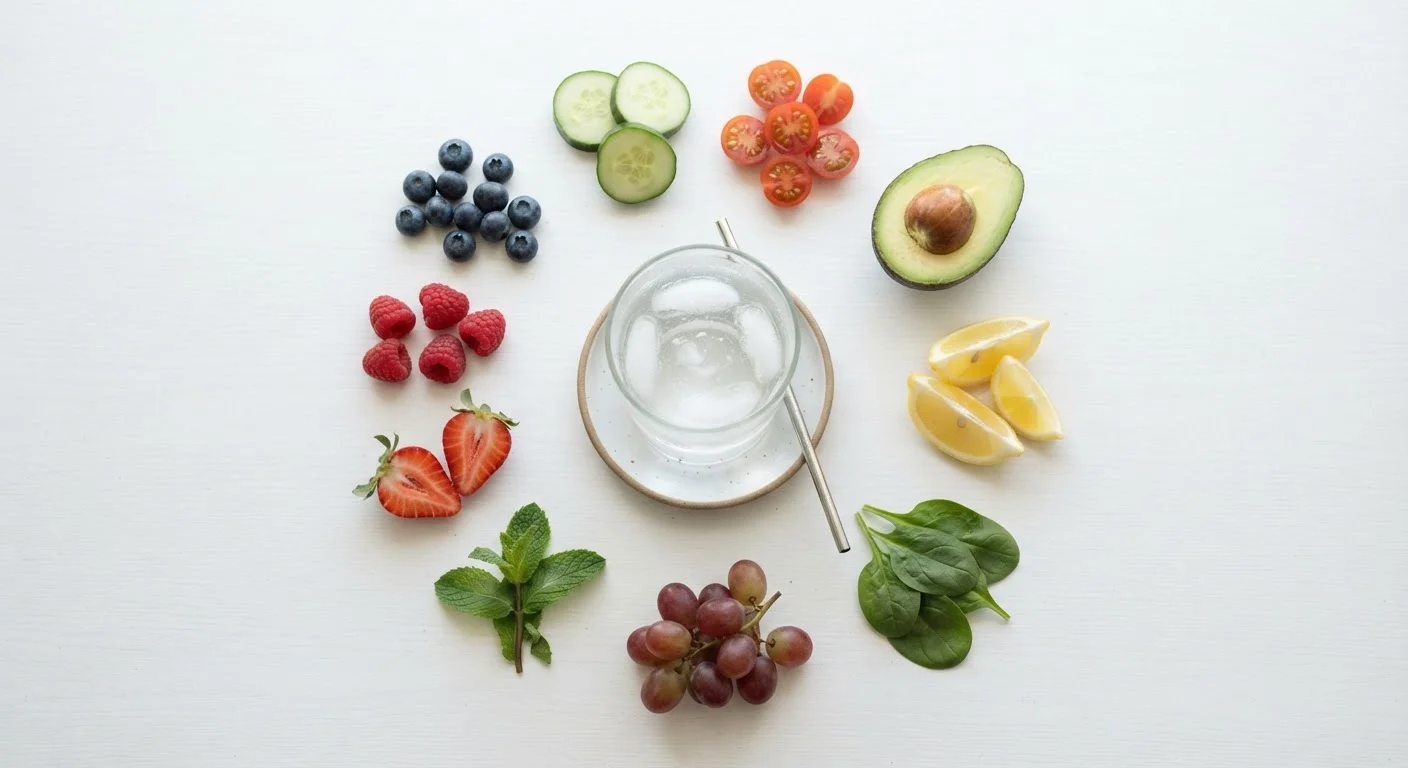
Photo credit: QuickInsights.net
In this article
Water is an often overlooked nutrient. Here's how hydration connects to digestion, energy, and overall dietary health.
Key Takeaways
- Water is an essential nutrient that supports digestion, circulation, and cellular function.
- Food contributes roughly 20% of daily fluid intake for most people.
- Mild dehydration can impair energy levels, concentration, and appetite regulation.
- Individual fluid needs vary based on body size, activity level, climate, and health status.
- Beverages beyond plain water - including milk, herbal tea, and broth - count toward hydration.
- Thirst is a reliable hydration signal for most healthy adults, though older adults may experience reduced thirst sensation.
Why Water Deserves a Place at the Nutrition Table
When people think about improving their diet, water rarely comes first. Conversations about nutrients tend to center on protein, carbohydrates, fiber, and vitamins - yet water is involved in delivering all of those nutrients to where they need to go. Every cell in the body depends on water to carry out basic chemical reactions, and without adequate fluid, even a well-planned diet cannot function at full capacity.
Water serves as the medium for digestion, helping break down food and move it through the gastrointestinal tract. It is essential for kidney function, allowing the body to filter waste products and excrete them through urine. It regulates body temperature through perspiration, cushions joints, and enables the transport of oxygen through the blood. Understanding water as an active participant in nutrition - not just a neutral backdrop - changes how you think about everyday eating habits.
For more on how individual nutrients work alongside water in the body, see our guide to essential vitamins and minerals.
How Food Contributes to Your Fluid Intake
Most people are surprised to learn that food accounts for approximately 20% of daily fluid intake. Fruits and vegetables with high water content - such as cucumbers, celery, strawberries, and oranges - can make a meaningful contribution to overall hydration without adding a single sip of liquid. Soups, broths, yogurt, and oatmeal also provide substantial fluid alongside their nutritional content.
This dietary overlap matters because it means hydration is not solely a beverage management problem. A diet rich in whole, minimally processed foods - particularly produce - naturally supports fluid intake in ways that a diet heavy in dry, packaged foods does not. Dietary patterns that include plenty of fruits, vegetables, and legumes also tend to be higher in fiber, and fiber and water work together to support healthy digestion. Our article on why most Americans fall short on dietary fiber explores this connection in more detail.
~60%
Of adult body weight is water
The U.S. Geological Survey and National Institutes of Health both cite approximately 60% as the average adult body water percentage, varying by age, sex, and body composition.
~20%
Of daily fluid intake comes from food
The European Food Safety Authority and similar bodies estimate that roughly 20% of daily water intake comes from solid food, not beverages.
1-2%
Body water loss linked to reduced performance
Research published in nutrition and sports science literature indicates that a deficit of just 1-2% of body water can impair cognitive function and physical endurance.
Dehydration's Effect on Energy and Appetite
Even mild dehydration - defined as a reduction of roughly 1-2% in body water - has measurable effects on physical and cognitive performance. Studies have linked this level of fluid deficit to reduced endurance, slower reaction time, difficulty concentrating, and increased feelings of fatigue. These effects can be easy to misattribute to poor sleep or low caloric intake when dehydration is actually the contributing factor.
There is also an underappreciated relationship between hydration and appetite signals. The hypothalamus - the brain region that governs both hunger and thirst - can sometimes blur the two signals. People occasionally interpret thirst as hunger, leading to unnecessary caloric intake. Drinking water before or during meals may support portion awareness, though it does not replace the need for balanced, nutrient-dense food choices.
Use Urine Color as a Simple Hydration Check
A practical, no-cost way to gauge hydration is to observe urine color throughout the day. Pale yellow generally indicates adequate hydration, while dark yellow or amber suggests you may need more fluids. Clear urine can occasionally signal overhydration, though this is uncommon. This method is widely recommended by dietitians as an accessible real-world indicator.
Hydration needs are not uniform. Factors including body size, physical activity, environmental temperature, and health conditions all influence how much fluid an individual needs. People who are pregnant, breastfeeding, or managing certain chronic conditions should consult a healthcare provider about their specific fluid requirements.
Practical Ways to Support Daily Hydration
Building consistent hydration habits does not require rigid tracking for most people. A few straightforward approaches can make adequate fluid intake easier to maintain throughout the day.
- Anchor fluid intake to meals and routines. Drinking a glass of water at each meal and with morning and evening routines creates consistent touchpoints without relying on thirst alone.
- Vary your fluid sources. Herbal tea, low-fat milk, and water-rich foods all contribute. This variety also adds nutritional value - milk provides calcium and protein, for example.
- Monitor urine color. Pale straw-yellow urine generally indicates good hydration; dark yellow or amber suggests a need for more fluid.
- Account for activity and heat. Exercise, hot weather, and illness (particularly conditions involving fever or vomiting) all increase fluid losses and raise hydration needs.
Nutritional needs and fluid requirements also shift across different life stages. For context on how hydration fits into broader dietary changes over time, our overview of nutrition through every life stage is a helpful reference.
This article is for general informational purposes only and does not constitute medical or nutritional advice. Consult a qualified healthcare provider for guidance specific to your individual health needs.
Frequently Asked Questions

Author
Health & Wellness Editorial Team
Health & Wellness Editorial Team is the collective byline for our editorial team and contributor network. Articles published under this byline or an editorial pen name are researched, written, and reviewed according to our editorial standards for clarity, consistency, and independence before publication.
View all articles →