
Before You Start a New Exercise Program: A Readiness Checklist
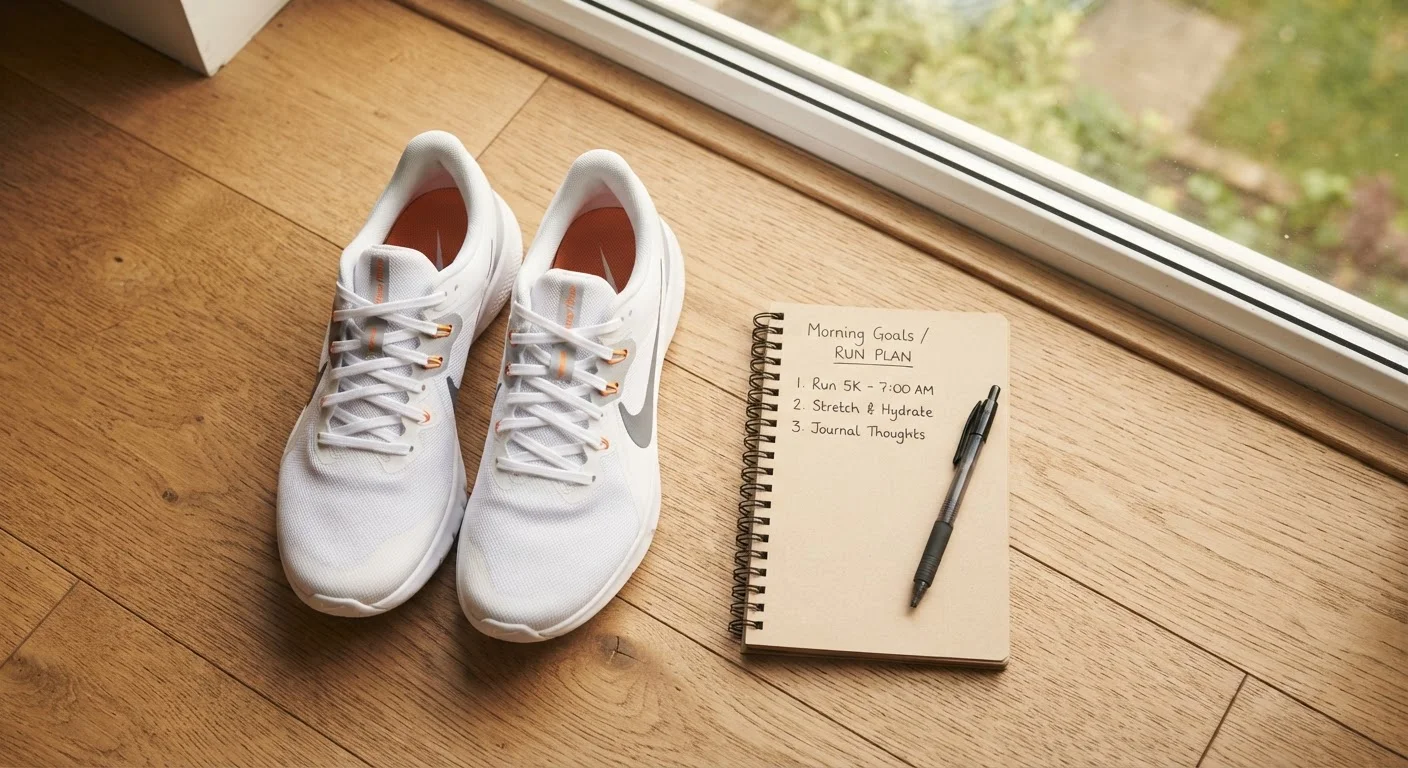
Photo credit: QuickInsights.net
In this article
A practical checklist covering health considerations, goal-setting, equipment, and scheduling before you commit to a new fitness routine.
Key Takeaways
- Consulting a healthcare provider before starting is essential if you have a chronic condition or have been inactive for a long time.
- Setting realistic, specific goals dramatically improves the chances of maintaining a new exercise habit.
- You don't need expensive equipment to begin - most beginner-friendly routines require little or no gear.
- Scheduling workouts like appointments increases follow-through, especially for busy adults.
- Starting gradually and building intensity over time helps prevent injury and burnout.
- Knowing your motivation and tracking progress, however simply, supports long-term consistency.
Why a Readiness Checklist Matters Before You Work Out
Starting a new exercise program is one of the most impactful decisions you can make for your long-term health. But diving in without a moment's preparation is one of the most common reasons people abandon new routines within weeks. A short readiness check - covering your health status, goals, schedule, and basic equipment - sets you up to begin confidently and stick with it.
This checklist is designed for everyday Americans who are new to regular exercise or returning after a long break. It isn't a substitute for advice from a doctor, personal trainer, or other qualified professional. Think of it as a structured starting point: a way to surface the questions worth answering before your first workout.
Once you've worked through these items, you may find it helpful to move on to building a weekly movement plan from scratch to put structure around your new routine.
Health & Medical Readiness
Goal Setting & Motivation
Program Selection
Equipment & Environment
Scheduling & Sustainability
How to Use This Checklist Effectively
Work through each group in order - health first, then goals, then logistics. Items marked must are non-negotiable foundations; skipping them increases the risk of injury, burnout, or choosing a program that doesn't fit your life. Items marked should are strongly recommended and will meaningfully improve your experience. Nice-to-have items are optional enhancements that can add accountability or enjoyment once you're underway.
Medical Clearance Is Not Optional for Everyone
If you have a diagnosed heart condition, uncontrolled high blood pressure, Type 2 diabetes, a recent surgery, or any condition that affects your physical capacity, speak with your healthcare provider before beginning any new exercise program. This article provides general educational information - it is not medical advice and is not a substitute for a personalized clinical assessment. When in doubt, ask your doctor first.
Don't feel pressured to check every box before taking any action - the goal is awareness, not perfection. If you discover a gap, such as an unresolved health question or a schedule that has no realistic workout window, treat that as information rather than a reason to delay indefinitely.
Starting Too Intensely Is a Common Mistake
One of the most frequent reasons beginners quit within the first month is starting at an intensity level the body isn't prepared for. Muscle soreness, fatigue, and minor injury can all follow an overly ambitious first week. Aim to finish your first few workouts feeling like you could have done a bit more - that's the right starting point. Intensity can always be increased gradually as your fitness improves.
Preparation checklists work well across many areas of life. If you're also thinking about other major decisions - such as questions worth asking yourself before starting therapy - a similar reflective approach can help you enter those processes with greater clarity.

Author
Health & Wellness Editorial Team
Health & Wellness Editorial Team is the collective byline for our editorial team and contributor network. Articles published under this byline or an editorial pen name are researched, written, and reviewed according to our editorial standards for clarity, consistency, and independence before publication.
View all articles →